Museu Imperial Review
Petrópolis, Brazil. The Museu Imperial, located in Petrópolis, Brazil, occupies a distinctive place in the cultural heritage of the country. Originally the summer palace of Emperor Pedro II, the last emperor of Brazil, the museum is…
Petrópolis, Brazil. The Museu Imperial, located in Petrópolis, Brazil, occupies a distinctive place in the cultural heritage of the country. Originally the summer palace of Emperor Pedro II, the last emperor of Brazil, the museum is…
Best forMuseum lovers, culture travelers, first-time visitors
Review focusCollections, visitor experience, and practical planning
Historical Context
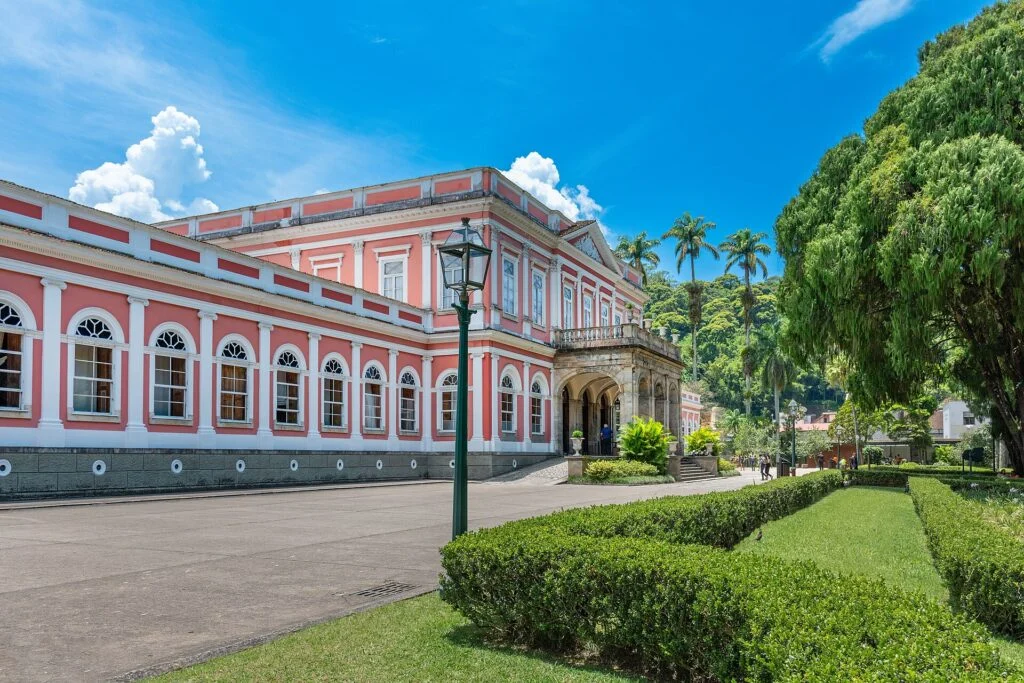
The Museu Imperial, located in Petrópolis, Brazil, occupies a distinctive place in the cultural heritage of the country. Originally the summer palace of Emperor Pedro II, the last emperor of Brazil, the museum is housed in a mid-19th century neoclassical palace built between 1845 and 1862. This was no ordinary residence, but a refined seat of imperial life, reflecting the vision of a modernizing monarch who sought to cultivate arts, sciences, and national identity during a period of profound transformation in Brazil.
Petrópolis itself became the “Imperial City” due to this association, retreating to the cooler climate of the mountains near Rio de Janeiro from the tropical heat of the coast. The palace later became a museum in the 20th century, entrusted with preserving the legacy of the imperial period. Its collections include imperial artifacts, furniture, documents, artworks, and personal items, representing not only the biography of the Brazilian monarchy but also glimpses into 19th-century Brazilian society and culture. The Museu Imperial thus functions as a tangible record of the empire’s aspirations, contradictions, and evolving identity up to the proclamation of the republic in 1889. It stands as both an architectural landmark and a repository of late imperial Brazil’s material culture.
What You See on Arrival
From the moment a visitor approaches the Museu Imperial, the character of the institution is apparent. The building itself, a stately two-story palace, signals its royal pedigree through its balanced proportions, grand facades, and restrained decorative accents typical of neoclassical architecture. The structure commands a spacious, landscaped garden setting that adds to the sense of dignified calm and historical solemnity. The palace fronts an open square in Petrópolis, which situates the museum not only as a cultural site but as a point of civic reference in the city’s historic core.
The museum’s entry sequence is deliberately paced to move visitors from the public urban space through a gated courtyard and finally into the palace interiors. This transition emphasizes the shift from everyday city life to the curated world of imperial history and aesthetics. The façade and grounds set the tone, signaling an institution focused on preservation and scholarly presentation rather than commercial entertainment. Visitors encounter a clear statement of identity: this is a museum dedicated to Brazil’s monarchical era, designed to convey both the stature of the imperial family and the historical context in which it governed.
Highlights and Key Exhibitions
At the heart of the Museu Imperial’s appeal are its permanent collections which serve as a detailed narrative of Brazil’s imperial era. The exhibits center primarily on the life and reign of Emperor Pedro II and his consort, Empress Teresa Cristina, providing insight into their personalities, roles, and the court’s workings.
The interiors of the palace have been maintained and restored to reflect their 19th-century appearance, with richly furnished rooms containing original and period-appropriate pieces. Visitors can expect to find an extensive collection of porcelain, silverware, furniture, and decorative arts that illustrate the standards of luxury and taste of the imperial family. Particular attention is given to rooms like the throne room, private chambers, and the library, each thoughtfully presented to suggest how these spaces were used.
One essential theme in the museum’s interpretation is Pedro II’s role as a modernizer and patron. Alongside personal belongings such as his eyeglasses, diplomatic gifts, and photographs, there are selections of fine art, including portraits by Brazilian and European painters, which contextualize the emperor within broader 19th-century artistic trends. The collection also preserves manuscripts, official documents, and correspondence that shed light on political and social events of the period, offering a glimpse into governance and diplomacy.
The Museu Imperial does not limit itself to the ostentatious aspects of imperial life; it also exhibits items related to daily routines, education, and technology, offering a more rounded picture of the period. For example, some displays explore the emperor’s interest in science and technology, reflecting his efforts to use knowledge to steer Brazil’s development. Other elements focus on the imperial family’s cultural connections and how they embodied European aristocratic norms adapted to a Brazilian context.
Additionally, the museum holds a collection of period costumes and textiles, which document fashion and material culture. These garments not only represent court style but also communicate gender roles and social status within imperial society. Visitors gain a sense of the social hierarchies and the ceremonial nature of court life.
An important point to note is that the Museu Imperial’s focus remains firmly on the Brazilian empire rather than broader national history before or after this period. While this concentration allows for a detailed and specific account, those seeking extensive coverage of Brazil’s republican or colonial epochs might find the scope somewhat narrow.
Visitor Experience
The Museu Imperial is generally organized in a manner that allows visitors to follow a chronological and thematic progression through the palace and its collections. The physical layout encourages a logical flow from public to private spaces, reinforcing the narrative of imperial court life. The size of the building and the density of exhibits balance well so that visitors can explore without feeling overwhelmed, but also with enough variety to maintain engagement.
The interpretation throughout the museum is accessible to a broad audience. Wall texts and labels provide contextual information without excessive academic jargon, suitable for casual visitors and those with a deeper interest. Because much of the content is presented through objects and spaces rather than heavy textual explanation, the experience leans toward visual and material culture engagement. This approach can be rewarding for those who appreciate architecture, antiques, and biographical storytelling. However, visitors looking for more interactive, multimedia, or multidisciplinary presentation styles may find the museum more traditional and reserved in its methods.
As a site centered on monarchy, the Museu Imperial assumes an interest in Brazilian history passing through this particular lens. It may be less engaging for those who do not have some prior context or curiosity about the period. The museum’s tone is respectful and measured; it does not attempt to mask the complexities or controversies of Brazil’s imperial regime, such as its association with slavery and the eventual overthrow of the monarchy. However, in terms of explicit critical engagement, it remains largely descriptive and illustrative rather than interpretative or argumentative.
The setting itself provides a contemplative ambiance. The palace gardens and open spaces offer moments to reflect on the era represented inside. The museum’s relatively contained size is advantageous for visitors who prefer a concise experience, but it limits the potential for very large or comprehensive exhibitions.
Tickets, Access, and Planning
As with many historic house museums, the Museu Imperial’s operational details are subject to change, and prospective visitors are advised to consult official resources for the most current information before planning a visit. The museum is located in the center of Petrópolis, making it relatively accessible by local transportation.
Given the nature of the site—a heritage building from the 19th century—visitors should be prepared for some limitations typical of historic structures. While efforts may be in place to accommodate accessibility, older buildings often present challenges for mobility impaired visitors. Advance inquiries about specific needs are recommended.
As for visitor amenities, this type of museum usually offers basic facilities but may not have extensive commercial offerings such as large cafés or stores found at bigger museums. This underscores the museum’s emphasis on historical authenticity rather than commercial experience.
While the museum is focused on its permanent collections, those interested in current exhibitions or special programming should check online or contact the museum directly, as information can vary and is not covered in detail here.
Final Verdict
The Museu Imperial presents a focused and well-preserved window into the Brazilian empire’s final decades. It is notable for its authentic setting, respect for material culture, and emphasis on the historical figure of Emperor Pedro II and his family. For visitors with an interest in Brazil’s monarchical past, 19th-century art and artifacts, or the architecture of aristocratic residences, the museum offers substantive and specific content.
However, it is not a museum that broadens extensively into other themes or eras outside the imperial framework. Its interpretive approach favors an object-centered experience with clear but moderate explanatory aids. Those expecting more interactive or critical museology might find its style somewhat traditional.
The palace itself and its collections are well suited to visitors who appreciate historical authenticity and subtlety in presentation, rather than spectacle or heavily mediated experiences. In this regard, the Museu Imperial serves as a valuable resource for understanding one chapter of Brazil’s past, albeit with a niche focus best suited for audiences prepared to engage with its specialized narrative and quieter mode of display. Visitors would be wise to prepare by researching operational details in advance to ensure the smoothest possible visit.