Museo de Arte Moderno de Medellín Review
Art Museums · Medellín, Colombia. The Museo de Arte Moderno de Medellín (MAMM) occupies a significant place in Colombia’s cultural landscape. Since its founding in 1978, the museum has positioned itself as a focal point for modern and contemporary…
Art Museums · Medellín, Colombia. The Museo de Arte Moderno de Medellín (MAMM) occupies a significant place in Colombia’s cultural landscape. Since its founding in 1978, the museum has positioned itself as a focal point for modern and contemporary…
Best forArt lovers, visual culture, architecture
Review focusCollections, curatorial focus, and visitor planning
Historical Context
The Museo de Arte Moderno de Medellín (MAMM) occupies a significant place in Colombia’s cultural landscape. Since its founding in 1978, the museum has positioned itself as a focal point for modern and contemporary art in Medellín and, more broadly, in Latin America. It emerged during a period of growing institutional interest in modern art within Colombia, at a time when Medellín was seeking to redefine its cultural identity amid social and economic challenges. Over the decades, MAMM has developed a collection that not only reflects national artistic movements but also engages actively with international currents, placing local creators in dialogue with global trends.
The museum’s development mirrors shifts in the Colombian art scene, particularly regarding the integration of visual arts with social and political questions. Medellín’s transformation from a city once known primarily for its industrial base and social unrest into a more diversified and culturally vibrant urban center has provided an important backdrop. The museum’s efforts to foster contemporary artistic expression and experimentation underscore its role as more than just a repository of works—it is a space that encourages reflection on artistic and societal issues. Its presence in Medellín contributes to the city’s growing reputation as a hub for contemporary art in the region.
What You See on Arrival
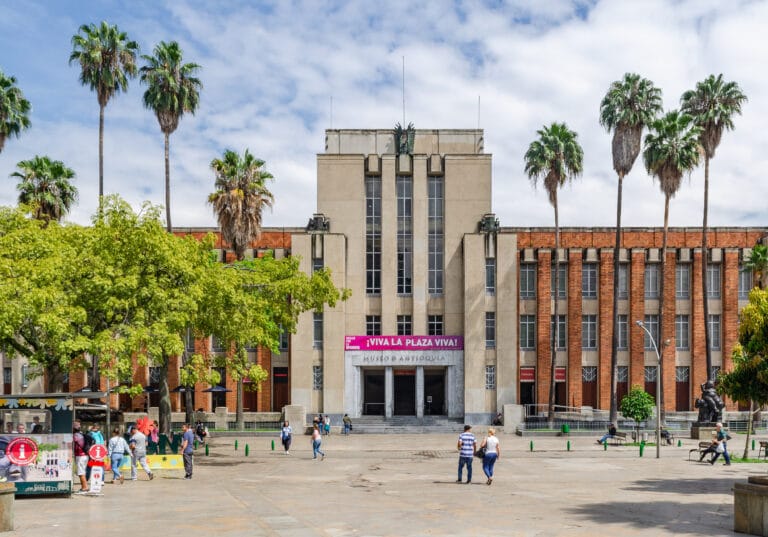
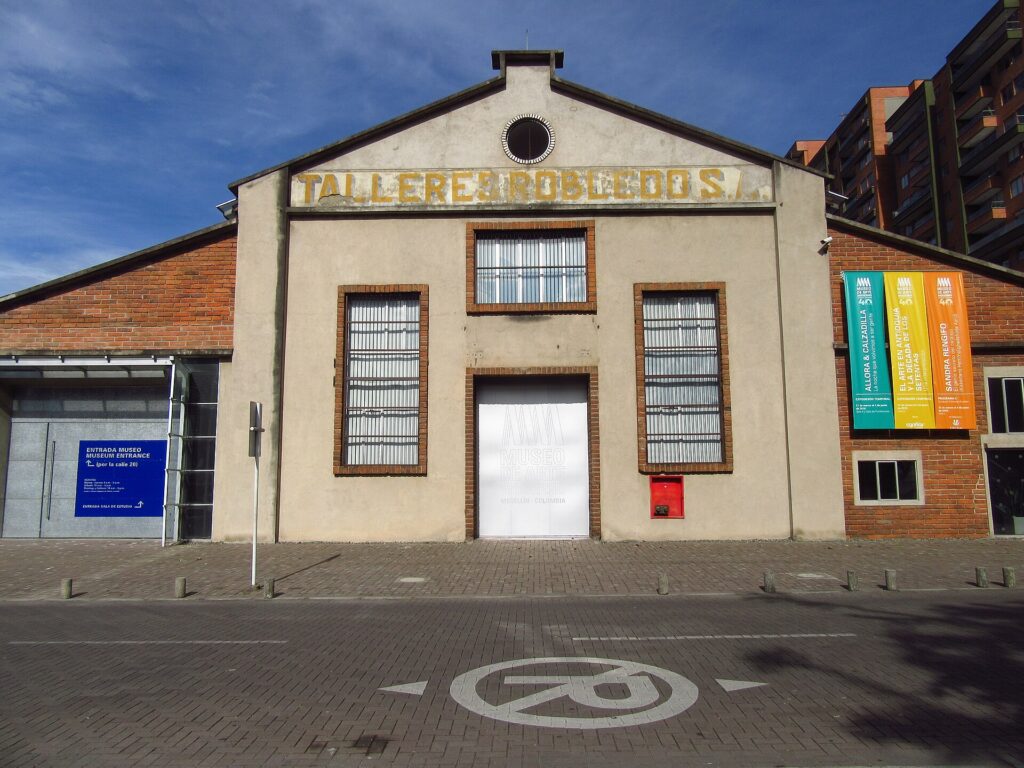
Approaching the Museo de Arte Moderno de Medellín, visitors are met by a building that reflects the institution’s modernist ethos. Located in the Castilla district, the museum occupies a structure of clean architectural lines and open spaces. The external appearance is functional rather than ornate, which aligns with the museum’s focus on modern and contemporary art rather than historical grandeur. The building’s design invites contemplation while maintaining accessibility, with well-defined entry points and clear signage that situate the visitor firmly within an urban cultural setting.
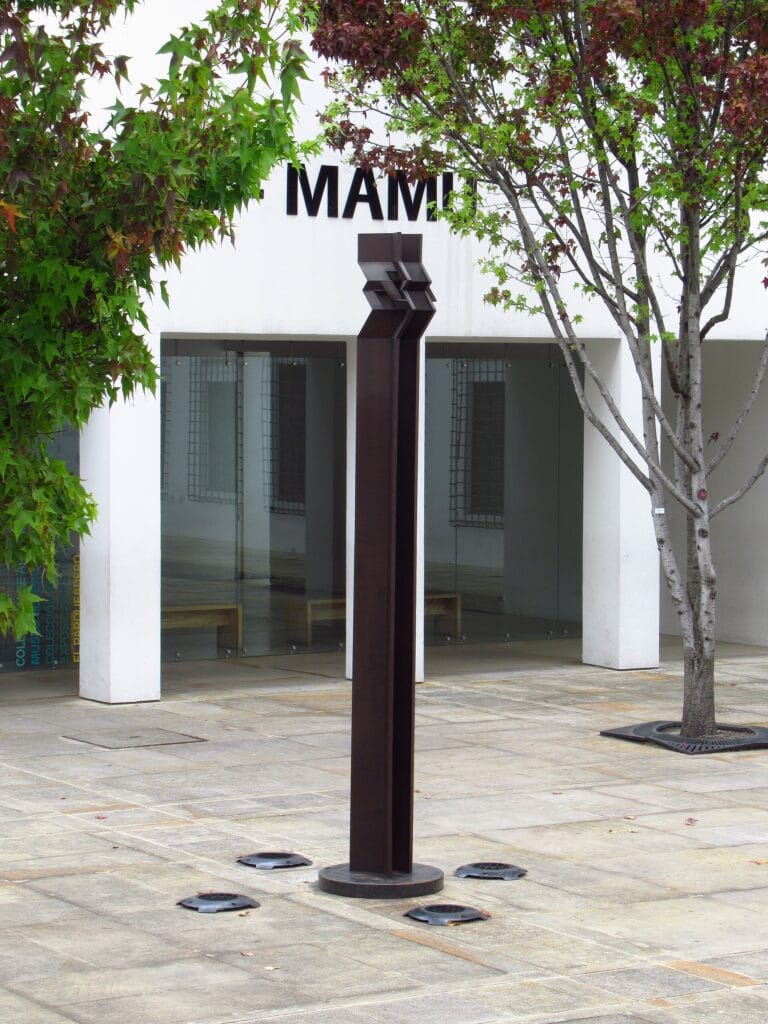
The museum’s identity is conveyed through its understated architecture and the integration of outdoor areas, which occasionally serve as sites for large-scale installations or sculpture. This openness communicates the museum’s focus on interaction and innovation rather than preservation of tradition alone. Visitors should expect an environment that emphasizes light, volume, and an uncluttered exhibition layout. The entry experience likely avoids formal heaviness, instead gently introducing visitors to Medellín’s modern art narrative, setting a tone of curiosity and openness that permeates the museum experience.
Highlights and Key Exhibitions
At the core of the Museo de Arte Moderno de Medellín’s appeal is its permanent collection, which encompasses a broad range of modern and contemporary Colombian art alongside international works. The collection covers key developments in Latin American art from the mid-20th century onwards, featuring painting, sculpture, photography, video, and installation art. It highlights both established figures and emerging artists, reflecting the dynamic character of contemporary creation.
Among the collection’s strengths is its representation of Colombian modernism and postmodern practices. The museum notably collects works that engage with Medellín's social and urban realities, offering commentary on identity, political history, and cultural change. Important artists whose work often features in the collection include Débora Arango, a pioneering figure in Colombian modernism known for her bold socio-political works, and Fernando Botero, whose distinctive figurative style has become internationally recognizable despite its contentious reception.
Contemporary programming and acquisitions also underscore the museum’s commitment to multidisciplinary approaches. Video and digital art forms have increased in importance, reflecting broader trends in the art world. This embrace of new media provides visitors with insight into how Colombian artists respond to technological and social shifts. Moreover, the museum hosts works that confront themes such as migration, conflict, and the environment, anchoring the art firmly within current debates relevant to both Colombia and the wider world.
MAMM does not emphasize traditional historical art but rather focuses its curatorial lens on innovation and critical inquiry. This approach is evident in exhibition spaces configured to accommodate diverse artistic modes, from large canvases to immersive installations, and in the museum’s occasional dedication to retrospectives of influential Colombian artists who have shaped the country’s artistic identity. Although the museum’s strength lies in its Colombian and regional focus, it complements this with curated selections of international contemporary pieces to enrich dialogue and contextualize local production.
Visitors should note that the museum’s collection is notable for its depth in modern and contemporary Latin American art but is less comprehensive regarding pre-modern or colonial art. Those interested primarily in classical or ancient artifacts may find the museum’s offerings limited in this sense. However, for those inclined toward contemporary debates in art—and Latin American voices within those debates—the Museo de Arte Moderno de Medellín offers a solid, thoughtfully curated experience.
Visitor Experience
The museum generally caters to visitors with an interest in contemporary artistic practices, cultural discourse, and Latin American perspectives. It suits both local audiences and international visitors who have some familiarity or curiosity about the evolving art scene in Colombia. The facility is structured to encourage a fluid visit, so visitors can explore at their own pace. The layout typically allows for logical progression from gallery to gallery without excessive crowding or confusion, although popular exhibitions and weekends may see increased visitor numbers.
Interpretive materials such as wall texts and labels provide essential contextual information, although the depth and style of interpretation can vary. The museum tends to emphasize clear, straightforward descriptions of artworks, artist intent, and thematic frameworks. While this approach helps accessibility, more specialized visitors might find the interpretive content occasionally lacking in critical complexity or theoretical depth. However, hands-on or interactive elements are generally limited, meaning the museum is primarily suited for visitors interested in visual engagement and intellectual reflection rather than immersive or participatory formats.
The museum’s use of space and light supports the presentation of work without distraction, enabling artworks—particularly those relying on color, scale, or materiality—to be appreciated in detail. The public areas between galleries often incorporate seating or outdoor spaces conducive to rest and informal discussion, which can be beneficial for visitor comfort and reflection.
While the Museo de Arte Moderno de Medellín offers a well-rounded contemporary art experience, those seeking extensive historical background or a museum that merges art with broad historical narratives might look elsewhere. Additionally, some large-scale works or installations may require visitors to spend more time in specific galleries, so pacing could be uneven depending on the visitor’s interest in particular media or themes.
Tickets, Access, and Planning
Visitors interested in touring the Museo de Arte Moderno de Medellín should consult the official museum website for the latest details on hours, admission, available discounts, accessibility options, and any visitor requirements. This ensures accurate information tailored to the time of visit, especially considering any recent changes in policy or special arrangements for group visits.
The museum is situated in a neighborhood accessible by public transportation, and Medellín’s infrastructure generally supports visitors traveling without private vehicles. However, the specifics of parking availability or transport connections should be confirmed ahead of time to avoid inconvenience.
Given the museum’s focus on modern and contemporary art, visitors might consider their personal interests and familiarity with these genres when planning their visit. Those new to this area of art may want to allocate time to engage with introductory materials or consider guided tours if available and suitable. On the other hand, specialists and art professionals may appreciate the museum’s collection for research and study, noting that facilities for scholarly work or archival access should be verified directly with the museum.
Final Verdict
The Museo de Arte Moderno de Medellín stands as a meaningful institution within Colombia’s evolving cultural framework. Its focused collection and exhibitions illuminate the trajectories of modern and contemporary art in Medellín and throughout Latin America, with a clear commitment to engaging with local social realities. The museum offers a coherent and well-curated experience, particularly for visitors interested in visual arts that interact with political and cultural themes of recent decades.
While not comprehensive in covering earlier historical art forms, the museum compensates with a rigorous approach to modern and current practices. Its architecture and exhibition design facilitate thoughtful viewing, supporting both casual visitors and those with a deeper interest in contemporary art discourse. Interpretation tends to be accessible rather than discursive, which may suit a broad audience but could leave expert visitors seeking further critical detail.
Prospective visitors should prepare by reviewing the museum’s official channels to confirm logistical specifics and evaluate how the collection aligns with their interests. For those attuned to the nuances of Latin American art and the ongoing conversation between local and international perspectives, the Museo de Arte Moderno de Medellín offers a substantive and relevant cultural destination.