Museu Imperial
Petrópolis, Brazil. The Museu Imperial in Petrópolis, Brazil, is a house and history museum that offers visitors insight into Brazil’s imperial past through the life and times of Emperor Pedro II and his family. Located in…
Best forMuseum lovers, culture travelers, first-time visitors
Setting / nearbyPetrópolis, Brazil
Overview
The Museu Imperial in Petrópolis, Brazil, is a house and history museum that offers visitors insight into Brazil’s imperial past through the life and times of Emperor Pedro II and his family. Located in the mountain town of Petrópolis, the museum occupies the former summer residence of the Brazilian imperial family, providing a direct connection to the 19th-century monarchy period. This museum stands apart by focusing on a specific chapter in Brazilian history when the country was an empire under a royal family rather than a republic. Visitors seeking to understand this era will find a detailed portrayal of domestic life, imperial culture, and the broader political and social context of Brazil’s monarchy.
The Museu Imperial serves as a cultural repository that preserves and interprets artifacts, documents, and furnishings associated with the Brazilian Empire. It combines the dimensions of a historic house museum with exhibitions that expand beyond the residence itself, aiming to offer a relatively comprehensive view of the empire’s domestic and political structures. While largely concentrating on the personal and court life of Pedro II, the museum also gestures toward Brazil’s transformation through the 19th century, including its eventual transition to a republic in 1889.
Collection Highlights
The collection at the Museu Imperial largely centers on items that belonged to or are directly connected to Emperor Pedro II and his family. Visitors can expect to see original furniture, personal belongings, clothing, artworks, and decorative arts that illuminate the daily life of the Brazilian imperial household. Among the exhibits are finely crafted silverware, porcelain, and glassware used by the imperial family, which reflect the tastes and international connections during the height of the empire.
Notably, the museum holds a significant number of portraits and paintings depicting members of the imperial family, court officials, and notable personages of the era. These artworks contribute to a visual narrative that helps situate visitors within the social fabric of 19th-century Brazilian aristocracy. The inclusion of documents, letters, and photographs adds another layer, revealing some of the more personal and political aspects of Pedro II’s reign.
The Museu Imperial also maintains a collection of items related to the broader historical events and cultural developments of the imperial period. These might include military uniforms, medals, and objects associated with state ceremonies. Through these, visitors gain a sense of the ceremonial life and governance of the time. The museum’s emphasis remains, however, on the human scale—portraying the people behind the history rather than abstract political theory or detailed historical narrative.
Building and Setting
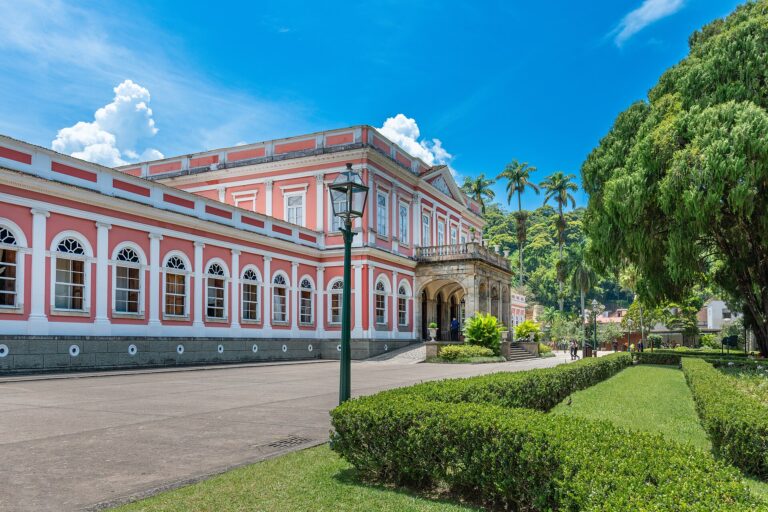
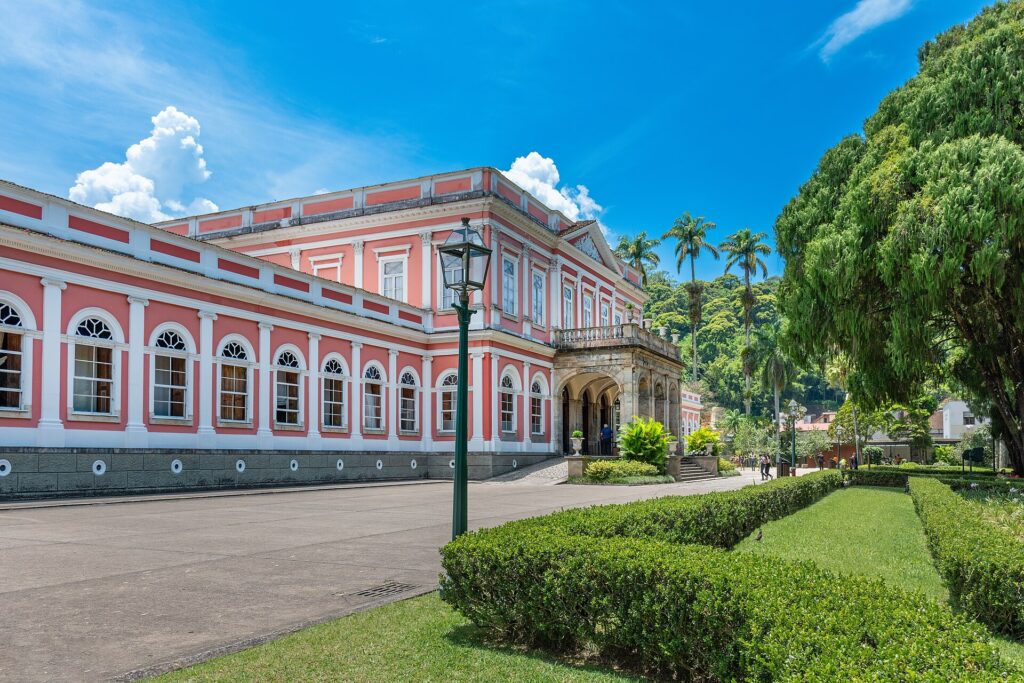
The building itself is a key element of the museum experience. Constructed in the 19th century, the palace reflects European architectural styles that were popular among elite Brazilian families during the imperial period. The design reveals the blend of local and imported materials and craftsmanship, which visitors can appreciate as part of the house museum setting.
Set in Petrópolis, a city located in a mountainous region roughly an hour’s journey from Rio de Janeiro, the museum occupies a setting historically chosen for its cooler climate and natural beauty. This was one of the attractions that made Petrópolis appealing as a retreat for the imperial family. The immediate surroundings of the museum include landscaped gardens and period-appropriate grounds that complement the interior spaces and offer a context for understanding the lifestyle of the occupants.
The layout of the building follows the conventions of a royal summer palace, with reception rooms, private chambers, and service areas arranged to suit the functional demands of a royal household. Visitors move through a series of rooms that retain much of their original appearance and furnishing arrangements, lending a sense of authenticity to the visit. While the palace’s scale is modest compared to larger European royal residences, its intimate size allows for a detailed look at imperial life without the overwhelming vastness of some other palaces.
Practical Information
Before planning a visit, it is advisable to consult the museum’s official website to confirm details such as opening hours, admission fees, and any temporary closures or restrictions. These practical elements can change and may affect scheduling and access. Information on discounts, guided tours, and accessibility options should also be verified as they are not always consistently available.
Given its nature as a historic site, visitors might want to consider factors such as potential crowding during peak tourist seasons or special events in Petrópolis. The museum’s setting in a smaller city means public transportation options might be more limited than in a large urban center, so travel arrangements should be planned accordingly.
While the museum does not necessarily require a full day for viewing, those interested in history, decorative arts, or architectural heritage may find it rewarding to spend a good part of a morning or afternoon exploring both the interiors and the gardens. Because the exhibits focus on the imperial family and their surroundings, visitors with a general interest in Brazilian history may want to complement their visit with other regional attractions or further reading for contextual background.
Why Visit
The Museu Imperial is suited for visitors interested in Brazilian history, especially the era of the empire, and those who appreciate historic house museums. It offers a detailed portrait of a significant period through objects and spaces that belonged to one of Brazil’s most notable figures, Pedro II. The museum’s strength lies in its preservation of atmosphere and tangible connections to the past through well-maintained interiors and collections.
While the museum focuses on the imperial family’s life, it does not present a comprehensive political or social history of 19th-century Brazil. Visitors seeking broader historical context should be prepared to supplement their visit with additional sources. Still, the museum’s approach—highlighting personal stories, material culture, and court life—can provide valuable insight into the complexities of monarchy and identity in Brazilian history.
For those with particular interest in cultural heritage, aristocratic lifestyle, and historic architecture, the Museu Imperial offers a thoughtful and measured experience. It stands as a place where the contours of Brazil’s imperial period—its achievements, contradictions, and eventual decline—can be explored through objects that once belonged to the royal family, set in the environment where they lived.
In summary, Museu Imperial in Petrópolis presents a focused and accessible museum experience that brings to life an important but sometimes overlooked chapter in Brazil’s history. It suits visitors who want to explore the personal and material aspects of monarchy as a lived experience rather than through abstract or general narratives. As part of a broader itinerary that includes regional culture and history, it can deepen understanding of Brazil’s diverse past.