Museo Pedro de Osma Review
Lima, Peru. The Museo Pedro de Osma in Lima, Peru, occupies a significant place in the country’s cultural landscape, especially regarding colonial art and history. The museum is housed in a former viceregal mansion built in…
Lima, Peru. The Museo Pedro de Osma in Lima, Peru, occupies a significant place in the country’s cultural landscape, especially regarding colonial art and history. The museum is housed in a former viceregal mansion built in…
Best forMuseum lovers, culture travelers, first-time visitors
Review focusCollections, visitor experience, and practical planning
Historical Context
The Museo Pedro de Osma in Lima, Peru, occupies a significant place in the country’s cultural landscape, especially regarding colonial art and history. The museum is housed in a former viceregal mansion built in the early 20th century, commissioned by Pedro de Osma himself, a prominent Peruvian collector, whose dedication to preserving the artistic heritage of Peru has directly shaped the museum’s identity. Originally conceived as a private home to display Osma’s precious collection of colonial-era art alongside religious artifacts, the property was eventually donated to the Peruvian state and transformed into a public museum. This transformation encapsulates a broader national effort to preserve and exhibit Peru’s artistic roots, particularly its colonial and viceregal heritage, which often receives less international attention compared to pre-Columbian art.
The museum’s collection offers valuable insight into the intersection of indigenous and European influences that defined Peruvian art during the colonial period. After centuries of Spanish rule, local artistic traditions evolved into distinct hybrid styles, notably visible in religious paintings, woodwork, and sculpture. The Museo Pedro de Osma thus functions not only as a repository of fine art but also as a historical document reflecting the cultural processes that shaped Peru’s religious and social history from the 16th to the 18th century. Understanding the museum requires situating it within this juxtaposition of political power, religion, and indigenous expression—an approach that makes its holdings compelling to scholars and visitors interested in colonial Latin America.
What You See on Arrival
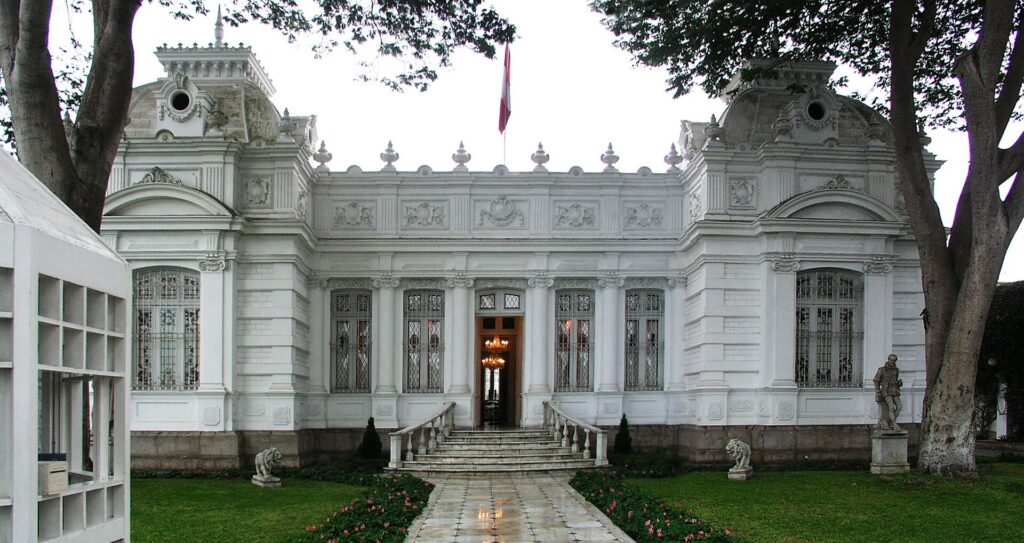
Upon reaching the Museo Pedro de Osma, visitors encounter a building that itself is an integral part of the museum’s narrative. The architecture of the mansion reflects early 20th-century Lima aristocratic tastes, with neoclassical and baroque Revival elements. The building’s façade is dignified yet understated, a reflection of its origins as a private residence rather than a public cultural institution. It occupies a quiet setting in the Barranco district, an area known for its bohemian and artistic atmosphere, which affords a degree of contextual richness to the visit.
The entryway frames visitor expectations around the historical depth and intimate scale of the collection. Unlike larger national museums displaying a broad sweep of periods and styles, Pedro de Osma’s museum presents a focused narrative, one that privileges the viceregal period’s visual arts. Visitors get a strong sense of entering a space specifically curated to showcase the craftsmanship and religious fervor of colonial Peru. This specialized identity means the museum tends to attract those with interests in fine art, colonial history, and the cultural dynamics of Latin America’s colonial period rather than a general audience seeking a comprehensive survey of Peruvian art.
Internally, the transition from the outer garden and mansion grounds to exhibition rooms is subtle but effective, maintaining an intimate atmosphere that highlights the original domestic setting. Visitors will find themselves in rooms arranged much as a private collection might have been displayed, rather than in sterile modern galleries. This has a double effect: it can make the works feel more approachable but also demands focused attention from visitors, as the layout is less about chronological progression and more about thematic and artistic concentration. This approach makes the initial impression about the museum’s purpose and curatorial outlook clear: the focus is on depth within a distinct era rather than breadth.
Highlights and Key Exhibitions
The Museo Pedro de Osma’s primary strength lies in its collection of viceregal art, encompassing paintings, sculptures, furniture, and decorative objects largely dating from the 16th through 18th centuries. Visitors encounter a significant concentration of religious art, reflecting the central role of the Catholic Church during the colonial period. Paintings in the collection frequently depict saints, biblical episodes, and the Virgin Mary with an iconographic complexity that speaks both to European stylistic influences and to the local adaptations that artisans incorporated.
One of the museum’s standout features is the collection of Cuzco School paintings. These works, created by indigenous and mestizo artists taught in the European academic tradition but developed in Peru, show a fascinating fusion of Andean and Spanish elements. The colors tend to be vivid; iconography often integrates local flora and fauna; and there are interesting departures from strict European models. Such works are important pieces in the broader narrative of cultural syncretism during the colonial period and serve as valuable examples for understanding Latin American art history as distinct from European trajectories.
Additionally, the museum has an impressive array of wood sculptures and carved altarpieces. These works are often gilded and bear intricate detailing, demonstrating the skill of local artisans who worked both independently and under the guidance of religious institutions. Some of these wooden pieces remain remarkably well-preserved and illustrate the technical and aesthetic standards of viceregal craftsmanship. They embody the religious functions as well as the aesthetic tastes of the period.
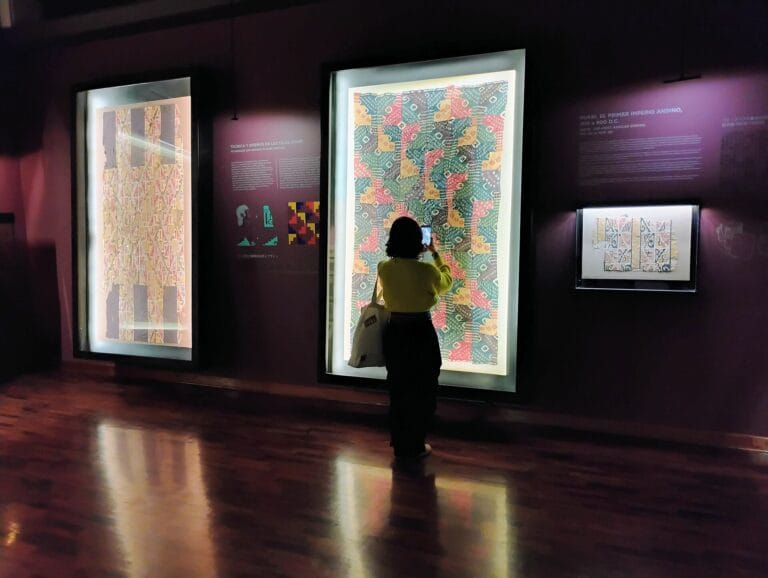
Original furniture, textiles, and silverwork also feature in the displays, helping to create a fuller picture of the lifestyles and ceremonial contexts of viceregal Lima. These objects tell stories about colonial social classes, religious practices, and domestic environments. Together, the collection components provide a multi-faceted perspective on Peru’s colonial cultural history rather than a narrow focus on art in isolation.
However, the museum does have its limitations. The collection is tightly focused on a specific timeframe and theme, which means it does not cover pre-Hispanic art or contemporary art movements that might appeal to visitors seeking a broader understanding of Peruvian visual culture. This is a conscious curatorial choice but is worth noting for planning purposes. Additionally, larger or more famous works are sparse; what the museum lacks in blockbuster pieces it compensates by concentrating on quality pieces that offer rich storytelling within a narrower domain.
Visitor Experience
The Museo Pedro de Osma is best suited to visitors who appreciate art within a historically specific context. The scale and scope of the museum encourage slow, thoughtful viewing rather than rapid movement from gallery to gallery. Because the space was originally a residence, the flow between rooms is intimate, which can promote closer engagement but also means the museum may feel physically compact compared to sprawling national institutions. This scale helps maintain focus on the art and artifacts but may challenge visitors expecting an extensive chronological display or large open galleries.
Interpretive materials appear designed to support varied levels of interest. Museum labels and captions generally provide historical context and artistic analysis in accessible language but do not overwhelm with academic jargon. The museum’s curatorial team has emphasized clarity, which aids visitors unfamiliar with viceregal art while still offering depth for enthusiasts. However, the intensity of the subject matter and the predominance of religious artifacts might limit appeal for those less interested in this specialized content.
The ambiance and setting also influence visitor experience. The mansion’s architecture creates a domestic environment that can make the art feel more connected to everyday life in colonial Peru. This is a marked difference from museums where art is displayed in neutral environments detached from historical context. Such atmosphere can enrich understanding but might also challenge visitors used to seeing art in typical gallery spaces with more uniform lighting and display conditions.
The Museo Pedro de Osma’s location in Barranco means it often attracts visitors who are exploring Lima’s cultural neighborhoods, but it may not be as immediately accessible for those pressed for time or traveling straight from Lima’s central districts. The museum’s relatively quiet presentation style suits those who want to study works carefully but may not align with groups or families with young children seeking more interactive or varied programming.
Tickets, Access, and Planning
Current details regarding tickets, access, or visitor services for the Museo Pedro de Osma should be verified on the official website prior to visiting. The museum is located within a residential and artistic neighborhood in Lima, which may influence transportation and accessibility options for visitors unfamiliar with the city. Potential visitors are advised to plan their routes carefully and to confirm practical information such as opening hours and admission fees from official sources, as these details can vary seasonally or due to special events.
There is limited publicly available information about the availability of guides, audio guides, or special tours, so visitors requiring additional interpretive support should check ahead. Similarly, the museum appears to maintain a relatively focused program that prioritizes its permanent collection rather than temporary exhibitions, meaning that visitors should set expectations accordingly.
For international tourists, the museum’s somewhat niche focus and relatively limited size mean it might fit into a broader itinerary that includes other museums or cultural sites in Lima for a fuller picture. Conversely, those with particular interest in colonial Peruvian art will find the Pedro de Osma a valuable specialized stop. Given the museum’s domestic origins and residential architecture, mobility accessibility could differ from modern museums; potential visitors with specific needs should inquire directly.
Final Verdict
The Museo Pedro de Osma in Lima provides a measured and insightful look at Peru’s viceregal artistic heritage through a focused permanent collection displayed in a mansion that doubles as a historical artifact. Its strengths lie in the quality and coherence of its colonial-era art, particularly paintings from the Cuzco School and religious sculpture, offering a deep dive into a period that shaped Peru’s religious and cultural identity. Unlike larger museums presenting broader narratives, this institution suits visitors willing to engage closely with specialist content in a small-scale and contemplative environment.
However, the museum’s specialization and intimate setting mean it is not designed for those expecting a broad overview of Peruvian art across all periods or an interactive experience geared towards general audiences. Its tightly defined scope might feel limiting to visitors interested in pre-Columbian history or contemporary Peruvian culture. Moreover, practical details concerning admissions, access, and visitor services require careful planning due to limited publicly available logistical information.
Overall, Museo Pedro de Osma’s contribution lies in preserving and interpreting a vital facet of Peru’s artistic past with attention and care. For those with a serious interest in colonial art and the cultural intersections of the Andes and Europe, it offers a rewarding experience. For others, it is best considered as a supplementary visit within the wider cultural itinerary of Lima. Prospective visitors are advised to consult the official website beforehand to ensure practical arrangements align with their needs and expectations.