Museo Pedro de Osma
Lima, Peru. The Museo Pedro de Osma is an art museum located in Lima, Peru, that specializes in colonial Peruvian art. It offers a focused presentation of works and artifacts from the colonial period, roughly spanning…
Best forMuseum lovers, culture travelers, first-time visitors
Setting / nearbyLima, Peru
Overview
The Museo Pedro de Osma is an art museum located in Lima, Peru, that specializes in colonial Peruvian art. It offers a focused presentation of works and artifacts from the colonial period, roughly spanning the 16th to the early 19th centuries. This was a time when Spanish influence mingled with indigenous cultures, producing unique artistic expressions in painting, sculpture, textiles, and religious objects. Named after the Peruvian collector Pedro de Osma, whose estate supplied much of the founding collection, the museum presents a specifically curated cross-section of this era’s artistic output.
By centering on colonial art, the Museo Pedro de Osma provides a window into Peru’s complex cultural history during colonial rule. This makes the museum particularly relevant for those interested in Latin American art history, religious art, and the cultural transformations that shaped modern Peru. The collection illustrates the fusion of European and indigenous artistic traditions, which can be seen in the stylistic details and thematic choices of many pieces. While modest in scale compared to some larger institutions, the museum focuses in depth on a distinct period and style, offering a coherent narrative that might appeal more to serious art viewers and scholars than casual tourists.
Collection Highlights
The museum’s collection prominently features paintings and sculptures from Peru’s colonial period. Religious art dominates the exhibits, reflecting the central role of the Catholic Church in colonial society. Visitors can expect to see a range of devotional paintings, altarpieces, and wooden sculptures of saints. These works often combine European artistic techniques with local materials and motifs, providing insight into how indigenous craftsmen and artists contributed to colonial art production.
One of the points of interest is the attention to the Cuzco School of painting, a distinctive artistic movement that flourished in colonial Peru. These paintings exhibit bright colors, embellished detail, and a merging of indigenous symbolism with Christian themes. The collection also includes important examples of religious sculptures, often polychrome and carved in wood, which were used in churches and processions.
In addition to canvases and sculptures, the museum houses decorative arts such as silverwork, furniture, and textiles that embody colonial craftsmanship. These objects help round out the picture of everyday life and religious practice in colonial Peru. Collectors, historians, and those with a strong interest in Latin American colonial culture will find the Arte Colonial presentation rich in contextual value.
Though the museum concentrates on a particular artistic period, visitors looking for a broader survey of Peruvian art or pre-colonial artifacts will find the collection’s scope limited. The focus remains strongly on art serving ecclesiastical or aristocratic functions during the colonial era rather than on indigenous pre-Hispanic cultures or modern art movements.
Building and Setting
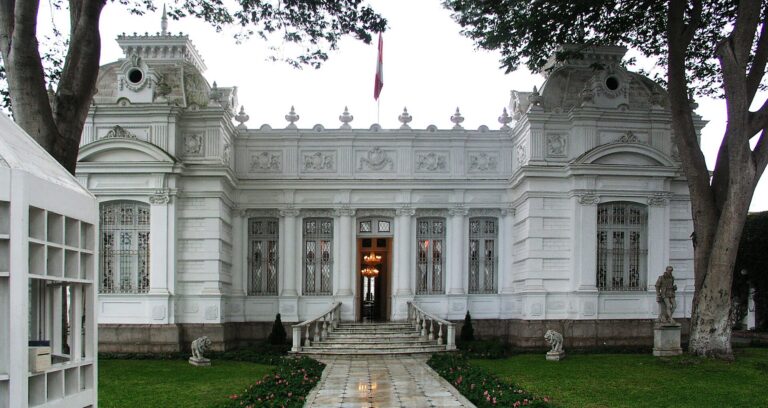
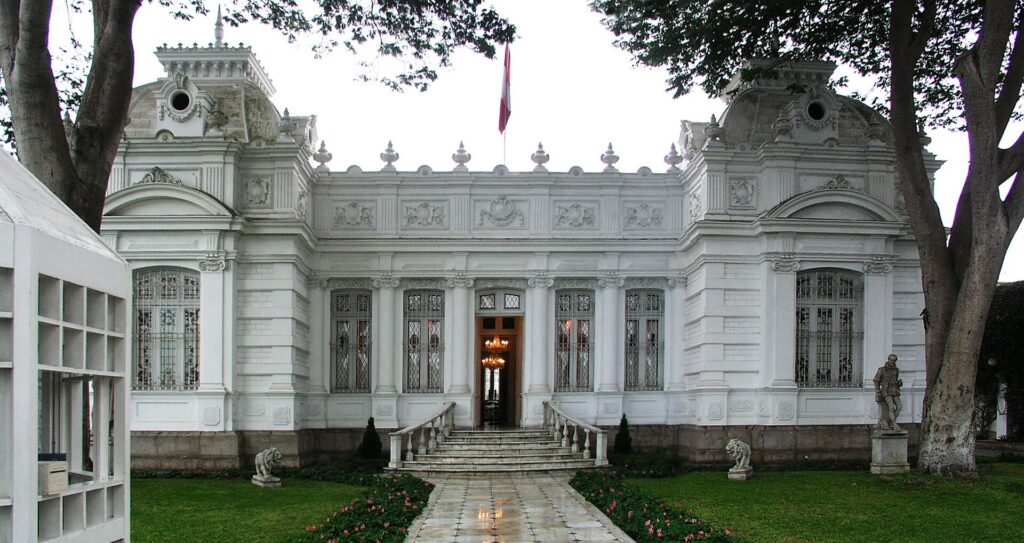
The Museo Pedro de Osma is situated in Lima, housed within a converted mansion that was part of Pedro de Osma’s former residence. The building itself complements the collection by evoking the atmosphere of a refined colonial-era home. Its architecture and interior spaces offer a fitting backdrop for the exhibition of colonial art, with rooms arranged to display paintings, sculptures, and objects in a domestic rather than a purely gallery format.
Its location in the Barranco district places the museum in one of Lima’s more bohemian and culturally active neighborhoods, known for its historic buildings and artistic life. The setting offers visitors an opportunity to explore contemporary galleries, cafés, and bookstores in the vicinity, which may enrich a day spent immersed in art and culture.
The mansion’s layout may feel more intimate than those of larger modern museums, and some visitors may find navigation less straightforward if expecting a conventional museum design. However, this residential scale supports a focused and contemplative viewing experience. Lighting and display standards generally aim to balance preservation needs with visibility, but temporary exhibitions or changes might affect how artworks are presented at any given time.
Practical Information
Details such as exact opening hours, ticket costs, accessibility accommodations, guided tours, and audio guides are best confirmed through the museum’s official channels before planning a visit. This helps avoid unexpected changes in schedule or services. Information about current exhibitions or any special events is also subject to update.
For visitors arriving from outside Lima or Peru, it is advisable to check transport options to the Barranco district and consider timing, as Lima’s traffic can be variable. Given the museum’s relatively contained size, visits do not typically demand extended hours, but the surrounding neighborhood offers additional cultural attractions for longer outings.
Those with a specific interest in colonial art, or scholars aiming for closer study, may want to inquire directly about research facilities or access to the museum’s archives. It is unclear if the museum supports these resources openly to the public or with restrictions.
Why Visit
The Museo Pedro de Osma offers a focused look at Peruvian colonial art through a collection that is well-curated and housed in a historically resonant setting. Its strength lies in presenting a coherent narrative on the colonial period’s artistic heritage, especially the religious artworks that define much of Peru’s colonial visual culture.
For visitors with particular interest in Latin American art history, the museum provides access to genuine examples of Cuzco School paintings and ecclesiastical sculpture, which are not always easy to view outside specialized institutions. The building’s character as a former private residence adds an element of ambiance that can deepen the experience.
The museum’s specialized scope means it might not satisfy visitors looking for a more diverse or comprehensive survey of Peruvian culture, including pre-Hispanic or contemporary contexts. Similarly, the intimate scale and sometimes less formalized layout may not appeal to those who prefer the polished flow and wide-ranging collections of large urban museums.
In sum, the Museo Pedro de Osma is suited to visitors who appreciate detailed colonial art and want to engage with a collection presented in a quiet and focused environment. Its location in Lima’s culturally rich Barranco district also makes it convenient to pair with other local cultural activities. This museum is a worthwhile stop for those interested in the artistic legacies of Peru’s colonial past and in understanding how these works reflect the complex social and religious history of the period.