Museo Nacional de Bellas Artes Buenos Aires Review
Art Museums · Buenos Aires, Argentina. The Museo Nacional de Bellas Artes Buenos Aires stands as one of Argentina’s premier cultural institutions, boasting a storied history that parallels the country’s own evolving artistic narrative. Established in 1895, the museum was…
Art Museums · Buenos Aires, Argentina. The Museo Nacional de Bellas Artes Buenos Aires stands as one of Argentina’s premier cultural institutions, boasting a storied history that parallels the country’s own evolving artistic narrative. Established in 1895, the museum was…
Best forMasterpieces, architecture, cultural history
Review focusCollection highlights, building, visitor flow
Historical Context
The Museo Nacional de Bellas Artes Buenos Aires stands as one of Argentina’s premier cultural institutions, boasting a storied history that parallels the country’s own evolving artistic narrative. Established in 1895, the museum was envisioned as a space to both preserve and showcase fine art, initially focusing on European masters before expanding its remit to include significant Latin American artists. Over the decades, it has grown into a repository that bridges local and global perspectives, reflecting Buenos Aires’ prominence as a cultural capital in South America. The building itself, located in the cultural district of Recoleta, demonstrates early 20th-century architectural elegance, complementing the artistic treasures housed within. The museum’s commitment to education, research, and public access underscores its role not just as a display space, but as a dynamic institution contributing to Argentina’s artistic discourse and heritage preservation.
What You See on Arrival
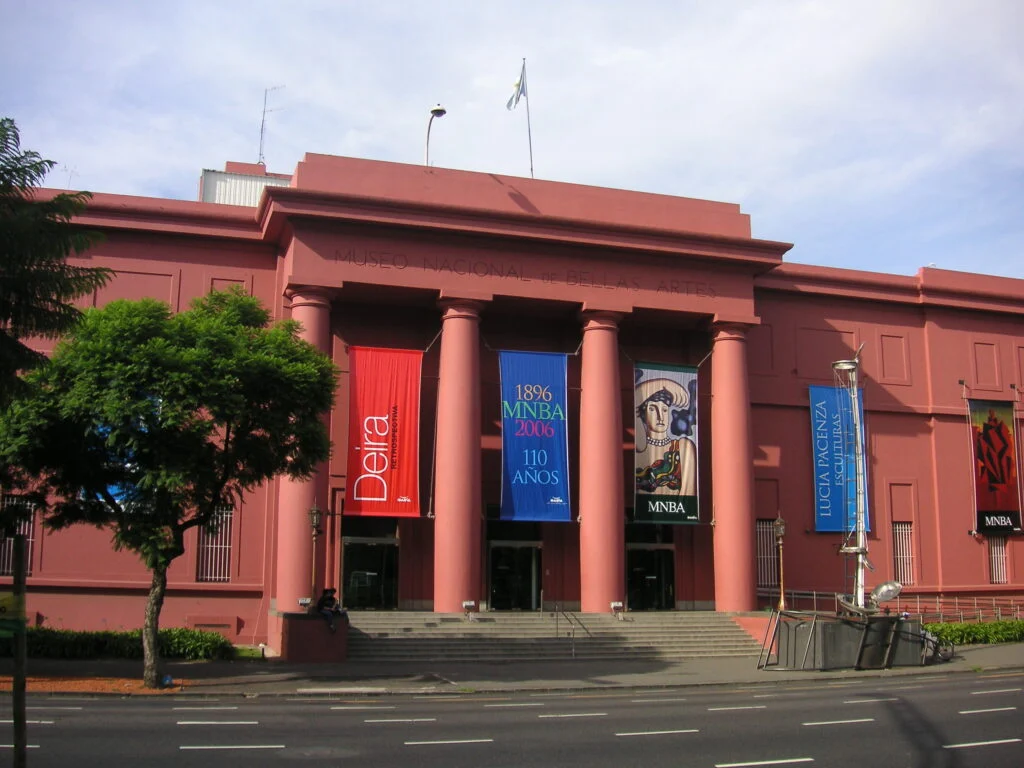
Approaching the Museo Nacional de Bellas Artes Buenos Aires, visitors encounter a dignified neoclassical structure enhanced by carved stone facades and stately columns that invite a sense of gravitas appropriate to the artworks inside. The museum’s entrance is typically modest yet welcoming, situated on Avenida del Libertador—a major thoroughfare flanked by the leafy greenery of nearby parks and cultural landmarks. Upon stepping inside, one is initially greeted by a spacious lobby that sets an anticipatory tone, with clear signage directing patrons to various wings and galleries. The interior layout balances historical design elements with practical considerations, creating an atmosphere conducive both to contemplation and seamless navigation. Large windows filter natural light into key gallery spaces, complementing the carefully controlled artificial illumination that highlights the artworks without overwhelming them.
Highlights and Key Exhibitions
The permanent collection of the Museo Nacional de Bellas Artes Buenos Aires is exceptionally well curated, representing a breadth of European and Latin American art from the Middle Ages to the present day. Renowned for its impressive holdings of 19th and 20th-century Argentine painters, the museum offers a thorough exploration of national artistic movements. Visitors can expect to encounter seminal works by artists such as Prilidiano Pueyrredón and Xul Solar, alongside celebrated international artists including Goya, Manet, and Rodin. The museum shines in its presentation of Argentine icons who have shaped visual culture, providing critical insight into the stylistic and thematic evolution of art across decades. The sculpture collection is noteworthy, with sculptures displayed both indoors and in adjoining exterior spaces. Though the museum does not commonly advertise temporary exhibitions in its main presentations, the permanent collection’s depth and diversity ensure that each visit offers substantial and meaningful engagement.
Visitor Experience
The Museo Nacional de Bellas Artes Buenos Aires cultivates an experience oriented toward both casual art lovers and serious connoisseurs. Gallery layouts allow for a logical progression through various epochs and styles, with interpretive panels that are informative without being overly dense. Audioguides and printed materials available at the entrance supplement the visual experience by providing valuable context on artists, artworks, and movements. The museum environment encourages quiet reflection, with seating strategically placed for rest and contemplation. Staff are generally knowledgeable and approachable, supporting a visitor-friendly atmosphere. While the museum’s architecture is visually impressive, some aspects of lighting and space can occasionally feel dated or overly formal, which might affect the comfort level during prolonged visits. Nonetheless, the atmosphere remains respectful and inspiring, appealing to a broad audience eager to explore both Argentine and international art history.
Tickets, Access, and Planning
Planning a visit to the Museo Nacional de Bellas Artes Buenos Aires is relatively straightforward thanks to its central location and accessibility. The museum is easily reachable via public transportation options, including buses and the nearby subway, making it convenient for both residents and tourists. Entry is typically free or requires only a nominal fee, reinforcing its mission to promote public engagement with the arts. The museum is usually open six days per week, closing on Mondays, with hours accommodating a range of visitors from early afternoon to early evening. For those with mobility challenges, the museum has made efforts to improve accessibility, including ramps and elevators, although some older sections may present minor obstacles. Visitors are encouraged to check the official website for the most current information on opening hours and any special advisories. Facilities such as a modest café and a gift shop provide additional amenities without distracting from the central cultural experience.
Final Verdict
The Museo Nacional de Bellas Artes Buenos Aires is a cornerstone of Argentina’s artistic heritage and a vital hub for art appreciation in the Southern Hemisphere. Its extensive and well-curated collection offers a comprehensive journey through European and Latin American art, with a particular strength in promoting Argentine artists whose works narrate the country’s complex cultural identity. Architecturally elegant and culturally significant, the museum presents an environment conducive to learning and enjoyment, supported by thoughtful visitor services. While certain practical elements like lighting and signage could benefit from modernization, these minor issues do not detract significantly from the overall experience. Free or low-cost admission ensures accessibility to a broad public, reinforcing its role as an inclusive institution. This museum is highly recommended for anyone interested in a deep dive into fine arts within a Latin American context, offering a finely balanced blend of local pride and international artistry.