Museo Evita Review
Buenos Aires, Argentina. Museo Evita is located in Buenos Aires, Argentina, dedicated to the life and legacy of Eva Perón, one of the country’s most influential political figures and cultural icons. As the wife of President Juan…
Buenos Aires, Argentina. Museo Evita is located in Buenos Aires, Argentina, dedicated to the life and legacy of Eva Perón, one of the country’s most influential political figures and cultural icons. As the wife of President Juan…
Best forMuseum lovers, culture travelers, first-time visitors
Review focusCollections, visitor experience, and practical planning
Historical Context
Museo Evita is located in Buenos Aires, Argentina, dedicated to the life and legacy of Eva Perón, one of the country’s most influential political figures and cultural icons. As the wife of President Juan Domingo Perón and First Lady from 1946 until her death in 1952, Eva Perón, popularly known as Evita, remains deeply woven into Argentina’s political and social fabric. The museum aims to document her journey from humble beginnings to a position of immense influence, highlighting her work as an advocate for social justice, women's suffrage, labor rights, and the welfare of the poor. It also seeks to present the controversies and complexities surrounding her figure, avoiding simplistic hagiography.
The museum is part of a broader effort in Argentina to reckon with the Perón era’s historical impact, which continues to provoke debate. While Evita has been celebrated by many as a champion of the marginalized, others view her and her husband’s regime with skepticism due to their authoritarian tendencies. Museo Evita offers a perspective that balances these views by providing historical context and archival materials alongside personal artifacts, photographs, and records. Its location in Buenos Aires, Evita’s home city and political stage, adds particular significance to its interpretive work.
What You See on Arrival
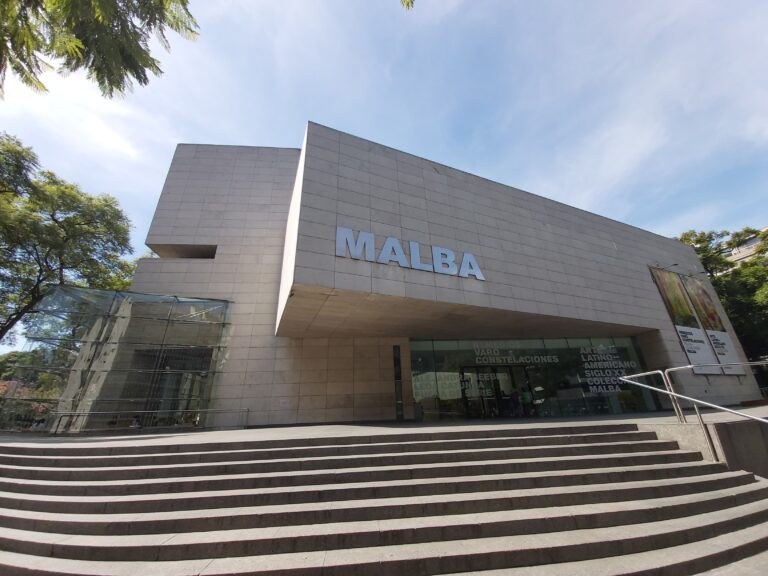
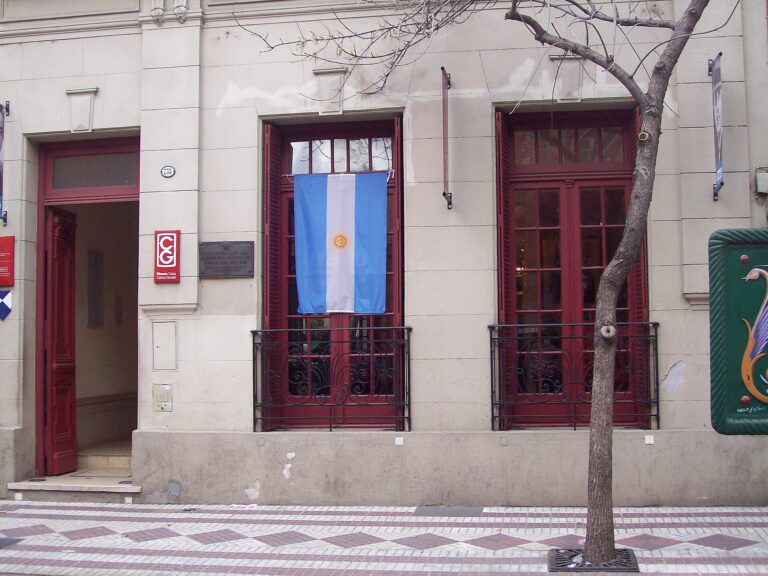
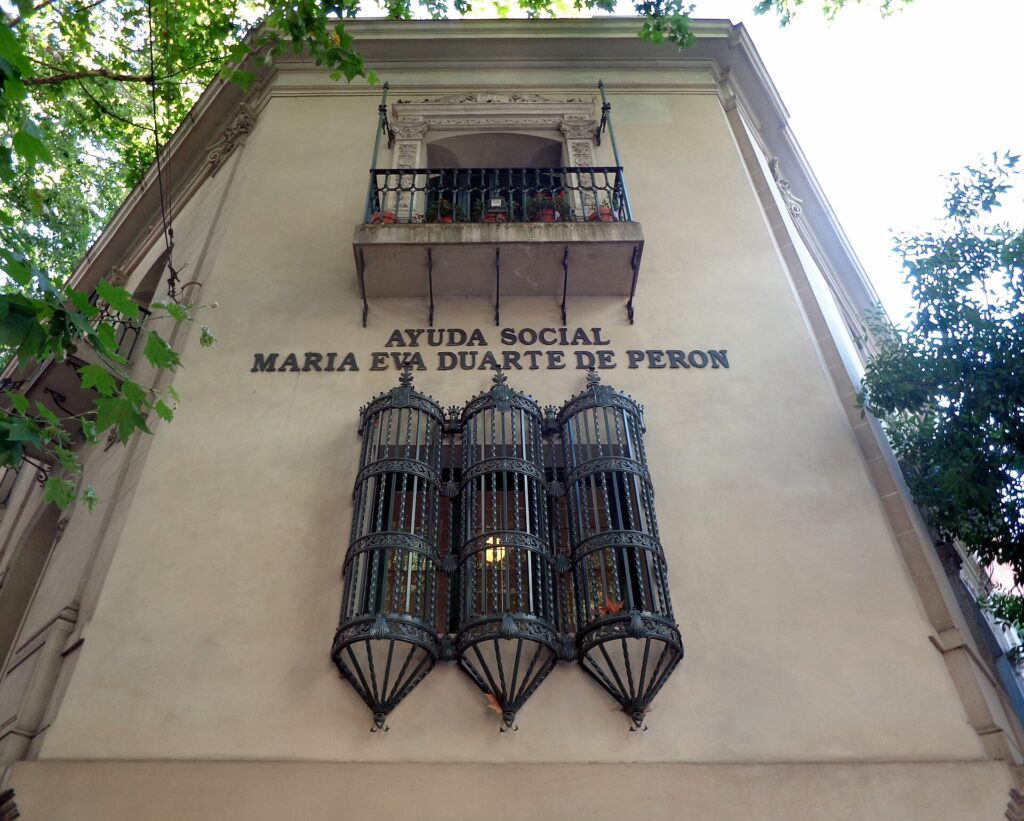
Upon approaching the Museo Evita, visitors encounter a building that reflects mid-20th century architectural styles with a restrained, functional presence rather than grandiosity. The museum’s exterior does not attempt to dominate but subtly signals the importance of the figure it honors. Signage and entrance features clearly identify the museum’s dedicated focus on Eva Perón, setting expectations for a biographical and documentary approach rather than a broad political history institution.
Inside, the initial framing introduces visitors to Evita’s background and early life with materials that emphasize her rise from modest origins to a position of national prominence. The museum’s entrance and lobby area are likely organized to present a narrative introduction, preparing visitors for a chronological or thematic exploration. The design choice suggests a measured pace and an emphasis on storytelling enhanced by photographs, audiovisual elements, and artifacts that immediately ground visitors in the figure of Evita herself.
Visitors can anticipate a space where the personality, public image, and political activism of Evita will be unpacked, rather than a broader overview of Argentine history or Peronism. The museum’s identity as a tribute combined with historical documentary underlines both admiration and a nuanced historical appraisal.
Highlights and Key Exhibitions
The core of Museo Evita’s offerings revolve around the life and work of Eva Perón as documented through personal belongings, photographs, official documents, multimedia presentations, and curated textual information. A standout feature is the comprehensive collection of photographs capturing Evita in her various roles—youth, actress, First Lady, and political activist. These images offer a visual chronology that supports the narrative flow of her life story and help contextualize her evolving public persona.
The museum also houses a notable archive of personal items including clothing and jewelry, which provide insight into the cultivated image Evita maintained—balancing glamour with political symbolism. Such objects contribute to understanding how Evita navigated public expectations, embodying both the aspirations of marginalized Argentines and the role of a national figurehead.
Extensive coverage is dedicated to her political work, particularly her advocacy for women’s suffrage and the establishment of social welfare programs. Exhibitions explain her role in founding the Eva Perón Foundation, which was central in channeling resources to hospitals, schools, and workers’ families. The museum presents this work with documentary evidence that allows visitors to assess Evita’s genuine impact on social policy, alongside discussion of controversies and critiques related to her methods and the political environment of the time.
Multimedia installations and archival footage provide further context for her speeches and public appearances, illustrating how communication and media were instrumental to her political strategy. This element helps visitors understand the cultivation of Evita’s image and the complex interplay between charisma and political mobilization.
The museum also addresses the aftermath of her death and the lasting cultural memory surrounding Evita, including her embalmed body’s controversial fate and her mythologized status in popular culture. This section serves to remind visitors that Evita’s legacy remains contested and multifaceted.
Visitors should note that Museo Evita’s approach is primarily biographical and thematic rather than exhaustive on Argentine political history. As such, the broader context of Argentina’s mid-century political landscape is present but not deeply detailed, encouraging visitors interested in full political histories to supplement with additional resources.
Visitor Experience
From the available information, Museo Evita appears to be designed to accommodate visitors who have an interest in biographical history, political biography, and cultural iconography. The museum’s pacing likely follows a logical progression through Evita’s life stages, which supports understanding even for those less familiar with Argentine history.
Interpretation at Museo Evita focuses on concreteness—displaying original documents, actual objects, and archival materials, alongside straightforward text labels and multimedia, to support visitor comprehension. This clarity will benefit visitors who prefer direct presentation of historical evidence over more abstract or conceptual exhibition strategies.
The museum’s audience might range from students and scholars interested in 20th-century Latin American politics to international tourists with a curiosity about Evita’s persona. The thematic focus on social welfare programs and women’s political empowerment also adds contemporary resonance.
One limitation to be aware of is that those seeking a comprehensive exploration of Peronism, labor movements, or Argentine political turmoil in the mid-1900s may find the scope narrowly focused on Eva Perón herself rather than the wider political context. Furthermore, the museum’s emphasis on archival material may be less engaging for visitors accustomed to trendier, interactive museum experiences. However, this restraint can also be seen as a strength for visitors seeking a more sober, fact-based presentation.
Tickets, Access, and Planning
Practical details about Museo Evita such as opening hours, ticket prices, availability of guided tours or audio guides, and accessibility options should be confirmed via the museum’s official website ahead of any planned visit. The museum is located within Buenos Aires, which is served by various transport options; however, those unfamiliar with the city may want to plan for sufficient time and consider local travel conditions.
Given the nature of the museum and its location in a major urban center, it may be subject to varying visitor volumes depending on season and local events. Prospective visitors with particular time constraints or accessibility needs should verify current policies and facilities directly.
Final Verdict
Museo Evita presents a focused, documentary-centered exploration of a singular and compelling figure in Argentine history. Its strength lies in the balanced display of Evita’s personal artifacts, photographic record, and the political and social initiatives she championed. By concentrating on Eva Perón as an individual—her life, work, and enduring legacy—the museum offers a clear and accessible narrative for those interested in mid-20th century Argentina, women’s political history, or the dynamics of political mythmaking.
The museum’s deliberate avoidance of broad political oversimplification or excessive iconography gives it credibility as a serious historical institution. Yet this focus can also translate into a concentration that may leave visitors seeking more extensive background on Argentine political history or interactive museum formats wanting.
Overall, Museo Evita is best suited to visitors with a specific interest in Eva Perón’s life or the history of social politics in Argentina, and those who appreciate archival authenticity and structured storytelling. It remains an important resource for understanding one of Argentina’s most debated and remembered figures, inviting reflection on the intersections of politics, personality, and memory. Prospective visitors should consult the official website for current practical information before planning a visit.