MALBA Review
Art Museums · Buenos Aires, Argentina. Located in the vibrant cultural landscape of Buenos Aires, MALBA (Museo de Arte Latinoamericano de Buenos Aires) stands as a beacon for Latin American modern and contemporary art. Since its inauguration in 2001, it…
Art Museums · Buenos Aires, Argentina. Located in the vibrant cultural landscape of Buenos Aires, MALBA (Museo de Arte Latinoamericano de Buenos Aires) stands as a beacon for Latin American modern and contemporary art. Since its inauguration in 2001, it…
Best forMasterpieces, architecture, cultural history
Review focusCollection highlights, building, visitor flow
Historical Context
Located in the vibrant cultural landscape of Buenos Aires, MALBA (Museo de Arte Latinoamericano de Buenos Aires) stands as a beacon for Latin American modern and contemporary art. Since its inauguration in 2001, it has played a pivotal role in showcasing the region's rich artistic heritage, opening a window into the multiplicity of voices, narratives, and styles that have emerged across Latin America over the last century. The museum was founded by Argentine businessman Eduardo Costantini, whose passion for collecting and promoting Latin American art helped establish MALBA as a leading institution in the region. Its collection includes works by iconic artists such as Frida Kahlo, Diego Rivera, Tarsila do Amaral, and Antonio Berni, presenting a broad spectrum of artistic expression from Mexico to Argentina, Chile, Brazil, and beyond. The museum's establishment reflects a broader movement to elevate Latin American cultural identity on the global stage, challenging Eurocentric perspectives in the art world and fostering a deeper appreciation for the diversity and complexity of Latin American creativity.
What You See on Arrival
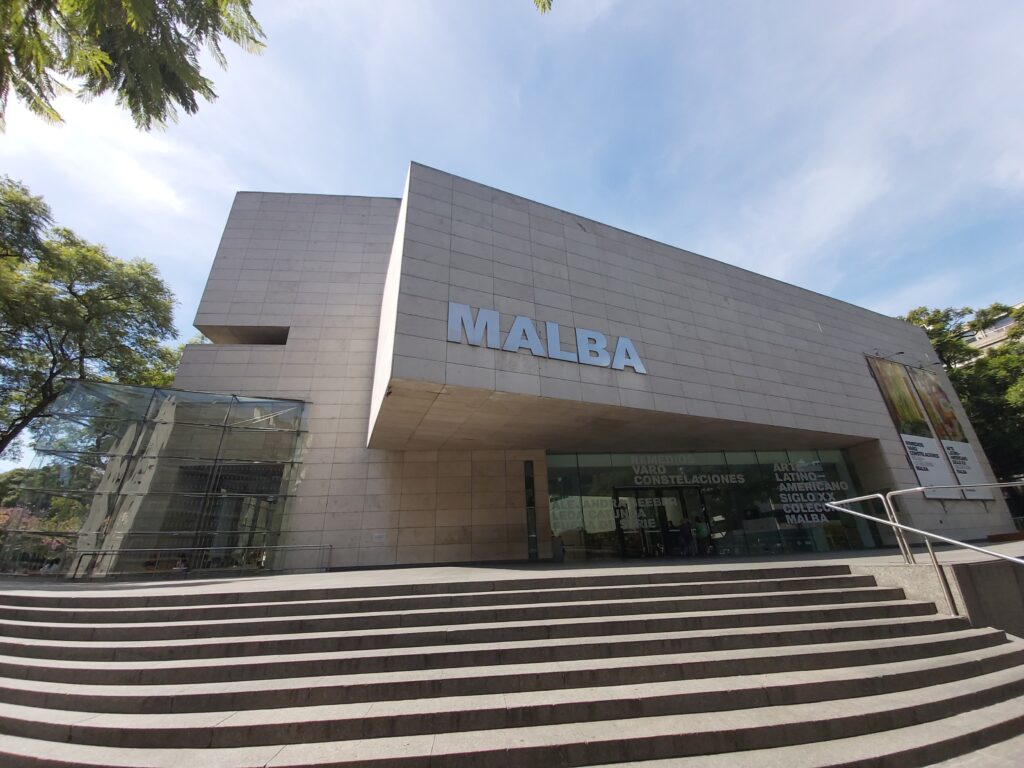
Approaching MALBA, visitors are greeted by a sleek, modern structure nestled in the Palermo neighborhood, an area known for its cultural vibrancy and leafy streets. The museum's facade is understated yet elegant, blending seamlessly with its surroundings while signaling the contemporary focus within. The building’s architecture is designed to complement the artworks it houses, with clean lines, natural light, and open spaces predominating. Outside, the sculpture garden offers a serene introduction, with public art pieces that resonate with the themes explored inside. The plaza in front provides a welcoming gathering space, often hosting informal performances or inviting pedestrians to pause and reflect. Signage is clear and professionally designed, guiding visitors effortlessly from the entrance to the ticketing area. Though modest in scale compared to some global institutions, MALBA’s exterior exudes a quiet confidence and invites curiosity from its first impression.
Highlights and Key Exhibitions
MALBA’s permanent collection is a cornerstone of its appeal, featuring a thoughtfully curated array of masterpieces that document the evolution of Latin American art from the early 20th century to the present day. Early works showcase the influence of European avant-garde movements while asserting distinct local identities, as seen in the modernist paintings of artists like Emilio Pettoruti and Xul Solar. The collection notably includes poignant pieces that reflect social and political upheaval, with works by Antonio Berni standing out for their narrative power and technical mastery. The presence of Frida Kahlo and Diego Rivera’s artworks lends recognizable gravitas, intertwining personal biography with national history. Beyond painting, the museum presents an impressive array of photography, video installations, and experimental pieces that engage with current artistic dialogues. Temporary exhibitions, though not detailed here, frequently complement the permanent collection by spotlighting emerging artists or thematic investigations, ensuring that MALBA remains dynamic and relevant. The institution’s commitment to education and scholarship further underscores its status as a cultural hub.
Visitor Experience
The layout within MALBA is thoughtfully designed to facilitate a seamless flow, allowing visitors to engage deeply with each piece without feeling rushed or overwhelmed. Galleries are spacious, well-lit, and organized thematically or chronologically, presenting a narrative that enhances understanding and appreciation. The museum employs a variety of interpretative aids, including bilingual labels and multimedia guides, which cater to both casual visitors and seasoned art enthusiasts. The atmosphere is calm and conducive to contemplation, with attentive staff providing assistance and contextual information when needed. The museum café and shop add to the overall experience, offering quality refreshments and an impressive selection of art books, prints, and design objects reflective of the museum’s artistic focus. While the institution is popular among tourists, it also serves as a local gathering place, fostering a sense of community around Latin American artistic heritage. Signage throughout the museum emphasizing respectful behavior and preservation helps maintain the quality of the visit for all patrons.
Tickets, Access, and Planning
MALBA adopts a straightforward ticketing system with options for general admission, concessions, and membership programs that offer benefits such as free entry and invitations to special events. Prices are reasonable, especially considering the quality and breadth of the collection. The museum is generally open throughout the week, with extended hours on select days to accommodate diverse visitor schedules. The location in Palermo is easily accessible via public transportation, with nearby bus and subway stops, as well as ample parking for those arriving by car. Facilities are designed to be inclusive, with ramps, elevators, and accessible restrooms ensuring that visitors with mobility challenges can navigate comfortably. The official website provides up-to-date information on opening hours, ticket prices, and exhibition schedules, and it also offers virtual tours and educational resources. Visitors are encouraged to plan ahead, especially during weekends or holiday periods when the museum attracts larger crowds. Audio guides and group tours can be reserved in advance for a more enriched experience.
Final Verdict
MALBA emerges as a vital institution within Buenos Aires, offering a compelling and meticulously curated panorama of Latin American art that is both accessible and intellectually stimulating. Its balanced presentation of historic and contemporary works provides insight into the cultural, social, and political dynamics that have shaped the region’s artistic output. The museum succeeds in fostering a sense of connection and pride in Latin American identity, making it an essential destination for anyone interested in the continent’s artistic legacy. While modest in size relative to some international counterparts, its focused mission and quality of curation ensure a richly rewarding visit. Some may find the relatively compact space a limitation when seeking a more extensive global art experience, but within its scope, MALBA delivers an engaging and thoughtful journey. The venue’s integration into the lively Palermo neighborhood further enhances its appeal, blending art with the energetic pulse of Buenos Aires. Overall, MALBA is a must-visit for art lovers, scholars, and curious travelers seeking an authentic encounter with Latin America’s creative spirit.