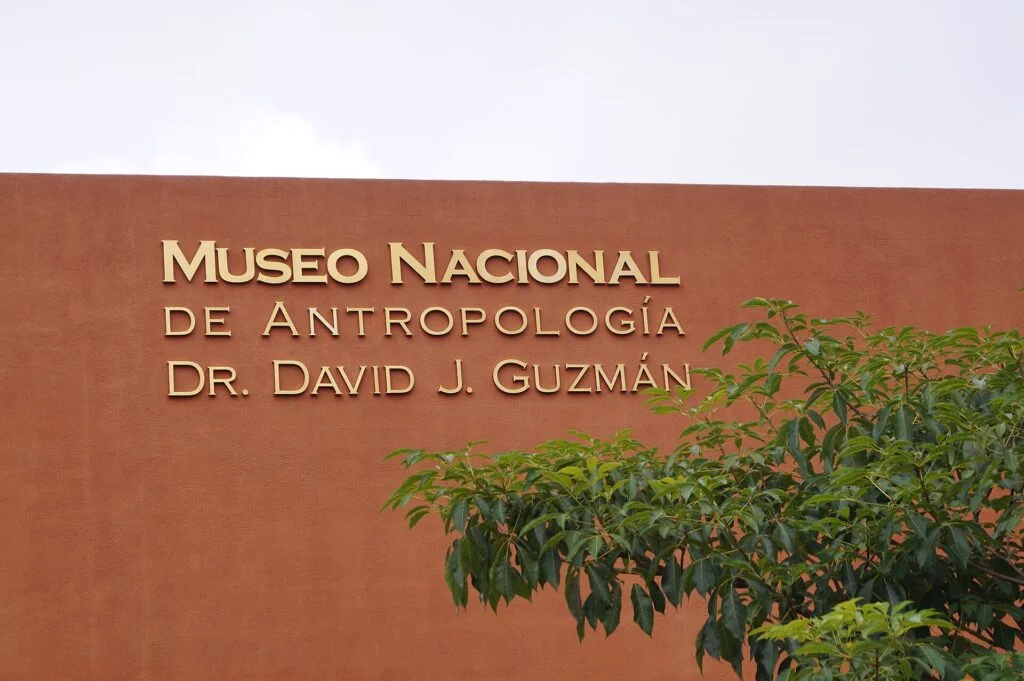
Museo Nacional de Antropología David J. Guzmán
San Salvador, El Salvador. The Museo Nacional de Antropología David J. Guzmán in San Salvador centers on the cultural and historical development of El Salvador and the Central American region. Named after the Salvadoran anthropologist David J. Guzmán,…
Best forMuseum lovers, culture travelers, first-time visitors
Setting / nearbySan Salvador, El Salvador
Overview
The Museo Nacional de Antropología David J. Guzmán in San Salvador centers on the cultural and historical development of El Salvador and the Central American region. Named after the Salvadoran anthropologist David J. Guzmán, it serves as a primary institution for the preservation and study of the country’s anthropological heritage. Unlike broad-spectrum national museums, its focus is on archaeology, ethnology, and the cultural roots of El Salvador’s indigenous populations. The museum combines archaeological artifacts with ethnographic materials to illustrate both ancient civilizations and the continuing cultural traditions that stem from them.
Collection Highlights
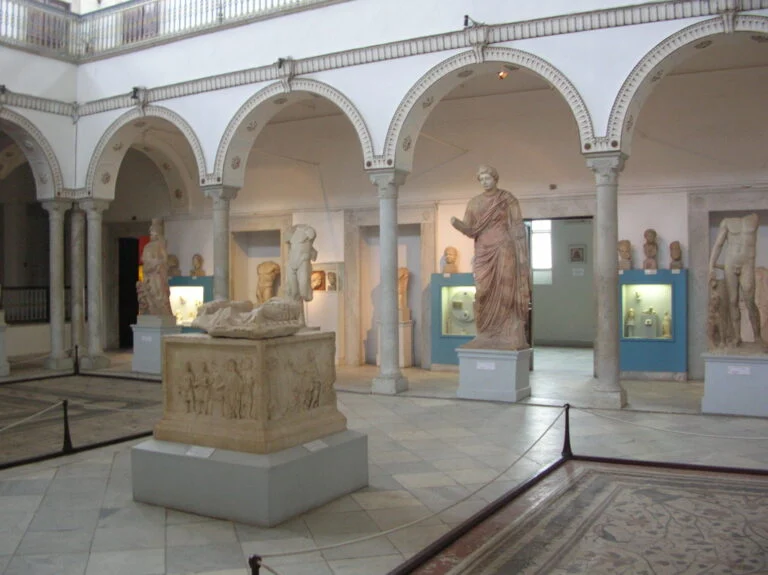
The museum’s holdings include archaeological pieces from several pre-Columbian cultures that inhabited the territory now known as El Salvador. These span from the early Formative period through the Classic era and into post-Contact artifacts, providing a timeline of regional development. Among the displayed items are pottery, stone tools, and ceremonial objects, which represent groups like the Lenca, Pipil, and Maya.
Ceramic vessels are a notable part of the collection, often painted or carved with motifs representative of local cosmologies and social structures. Stone statues and figurines reflect religious beliefs and social hierarchies of the time. Some objects offer insight into burial practices and funerary rites, revealing cultural attitudes toward death and the afterlife.
The ethnographic section includes textiles, traditional clothing, and musical instruments that connect visitors with contemporary and historical indigenous cultures. These objects help illustrate cultural continuities and adaptations through centuries of change.
The museum also holds a number of historical photographs and documents that trace the country’s 19th- and 20th-century social transformations. This inclusion broadens the narrative beyond archaeology into social anthropology and history, providing context for how identity and heritage have evolved in modern El Salvador.
Building and Setting
The Museo Nacional de Antropología David J. Guzmán occupies a modern building in San Salvador designed specifically to function as a museum. Its architecture is utilitarian, featuring straightforward exhibition spaces that emphasize clear display and visitor movement rather than ornate design. Located within the urban environment of San Salvador, the museum is part of the city’s cultural and institutional landscape, making it accessible to residents and visitors.
The interior layout is organized to follow a chronological and thematic progression, moving from ancient pre-Hispanic cultures to contemporary ethnographic displays. Lighting and display cases are arranged to protect delicate objects while maintaining accessibility. The building does not have the architectural grandeur or historic character of some older Latin American museums, but its straightforward design supports the practical needs of displaying and preserving artifacts.
Practical Information
For the latest visitor details including opening hours, admission fees, access conditions, and any available educational or guided services, the museum’s official website or local tourist information should be consulted. This approach ensures accurate information, as operational hours and services may vary due to holidays, special exhibits, or public health considerations.
Given its focus and location, visitors can expect a museum visit to require at least a couple of hours to engage adequately with the main exhibitions. The museum is suited for those who prefer a focused, well-curated experience rooted in the anthropology and archaeology of El Salvador. Those planning a visit should verify current arrangements in advance to optimize their visit.
Why Visit
This museum stands out for its detailed presentation of Salvadoran archaeological and ethnographic heritage, providing a clear look at indigenous cultures before and after European contact. Its strength lies in the geographic and cultural specificity, offering material evidence that is often less visible in broader regional museums. It will appeal to people with interests in Central American history, archaeology, or the anthropology of indigenous groups.
While it may lack the extensive international variety found in larger museums elsewhere in Latin America, its collections present a concentrated study of local cultural development. Visitors looking for a window into El Salvador’s past through original objects and well-documented ethnographic materials will find depth here.
The building and layout prioritize function over aesthetics or visitor flow innovations, which some might find less engaging compared with more architecturally distinctive institutions. However, the museum’s focused collections and the continuity of the narrative from prehistory through recent cultural history make it a clear resource for deeper understanding of El Salvador’s cultural roots.
Checking official information before planning a visit is practical, as the museum’s programming and public services may change. For those specifically wishing to deepen knowledge of Salvadoran anthropology or Central American indigenous cultures, the Museo Nacional de Antropología David J. Guzmán offers a solid foundation of material and interpretation backed by decades of scholarly work.