National Museum of Ireland – Decorative Arts & History Review
Art Museums · Dublin, Ireland. The National Museum of Ireland – Decorative Arts & History is situated in Dublin and forms one of the key branches of the National Museum of Ireland network. Established in the late 19th century,…
Art Museums · Dublin, Ireland. The National Museum of Ireland – Decorative Arts & History is situated in Dublin and forms one of the key branches of the National Museum of Ireland network. Established in the late 19th century,…
Best forArt lovers, visual culture, architecture
Review focusCollections, curatorial focus, and visitor planning
Historical Context
The National Museum of Ireland – Decorative Arts & History is situated in Dublin and forms one of the key branches of the National Museum of Ireland network. Established in the late 19th century, the museum’s roots trace back to the era when cultivating a national identity through cultural heritage was an important political and social project. Its focus on decorative arts and historical artifacts serves to document the material culture of Ireland from the medieval period through to the present day, with particular strength in items relating to everyday life, social history, and military history.
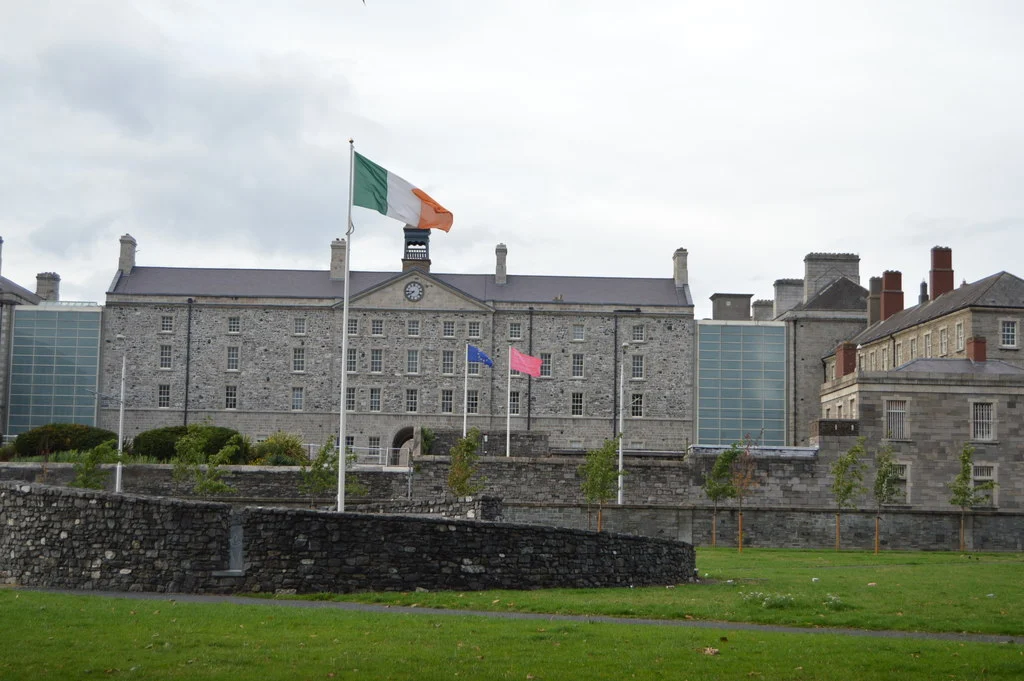
Located at Collins Barracks, a site with its own extensive military past, the museum opened to the public in its current form during the early 21st century after substantial refurbishment. The setting deepens the context between Ireland’s martial history and the decorative arts it holds. Throughout its existence, the museum has aimed to bridge the gap between art and history, interpreting the objects not only as artifacts of artistic merit but also as conduits of lived experience within Irish society. Its role complements the other National Museum sites by emphasizing the connection between Ireland’s social fabric and its historical artifacts.
What You See on Arrival
Visitors approaching the National Museum of Ireland – Decorative Arts & History will encounter the imposing yet understated exterior of Collins Barracks. The building itself is a conversion of a former military barracks situated near the Dublin city center, which situates the museum within a historical narrative even before stepping inside. The robust brickwork, ironwork details, and large arched entrance set a tone of solidity and historical weight.
The entrance area functions as a welcome point but also signals the dual nature of the museum’s identity: one grounded in the military and historical significance of the location and the other in the decorative, artistic contents of the galleries. The spatial arrangement leads visitors through a range of exhibition spaces that vary from intimate display rooms to larger galleries, reflecting the multiple layers of Ireland's social, political, and cultural history. The sense of walking through a site with its own history primes visitors for the kind of encounters the collection offers — artifacts that speak to national identity, craftsmanship, and societal change.
Highlights and Key Exhibitions
The National Museum of Ireland – Decorative Arts & History has a collection that spans a broad chronological and thematic sweep. It houses a rich assembly of pieces relating to Irish decorative arts, historical artifacts, costume and textiles, weaponry, furniture, ceramics, and silverware. The military collection is particularly notable given the setting, with a wide array of uniforms, arms, and regalia reflecting Ireland’s involvement in various conflicts and military traditions.
One of the principal strengths lies in the costume and textiles collection. This includes garments that chart the evolution of Irish dress over centuries, including high-status items and vernacular clothing that illuminate social distinctions, crafts, and daily life. The range covers everything from historic court dress to folk costumes, which are often richly embroidered or finely woven. For enthusiasts of fashion history and textile arts, this section offers sensitive curation and a tangible connection to Ireland’s cultural fabric.
In the decorative arts category, visitors will encounter an extensive variety of silverwork, ceramics, and furniture, many of which represent Irish craftsmanship along with imported items that show Ireland’s interaction with broader European artistic traditions. The silver collections, in particular, showcase fine techniques and historical patterns that tell stories of wealth, taste, and local styles from different eras.
The military artifacts collection, housed with contextual displays relating to Ireland’s participation in various historical conflicts, including the 1798 Rebellion, the Easter Rising, and later 20th-century military history, is a defining feature. The setting in the former barracks adds authenticity to this narrative, rooting the objects in a real place of military history. Exhibits include weaponry, personal effects, and military portraits that together offer a complex portrayal of Ireland’s martial past.
An important aspect of the museum’s approach is its combination of artistic quality and social history. The collection does not isolate artifacts from their historical context but often relates them to broader social themes such as nationalism, daily life, or colonialism. Documentation and explanatory texts provide detail on provenance, use, and significance, making the exhibits accessible to both academic and general audiences without oversimplifying complex histories.
While the museum focuses heavily on Irish heritage, the decorative arts collection also acknowledges the influence of international styles and trade, especially in ceramics and furniture. This makes it possible to see Ireland not only as a site of distinct cultural production but also as embedded within wider European networks, which add layers of meaning to the objects on display.
Visitor Experience
Visitors to the National Museum of Ireland – Decorative Arts & History can expect a generally well-ordered and thoughtfully arranged experience. The flow through the galleries is designed to move smoothly across periods and themes, allowing visitors to engage with a diverse range of objects without feeling rushed or overwhelmed. The physical space within the former barracks, while robust and impressive, sometimes creates long corridors and segmented rooms that require navigation but also allow for discrete thematic zones.
Interpretation is presented through clear labeling and panel texts that combine factual information with contextual background. While the tone is accessible, it still maintains an academic rigor that historians or serious enthusiasts will appreciate. However, the density of information might be a challenge for visitors without prior knowledge or a deep interest in Irish history or decorative arts, so those looking for a lighter or purely visual experience might find it somewhat detailed.
The museum accommodates a variety of visitor interests—from those drawn to fine arts and craftsmanship, to history buffs interested in military and social history, to those simply curious about Irish culture. The costume collection and silverware displays, for example, have strong visual appeal and offer insights into technical skill and aesthetic trends, while the military exhibits likely attract those interested in political and military narratives.
There is limited emphasis on interactive or digital elements in the permanent galleries. The presentation relies mostly on traditional display techniques—cases, mannequins, and text—but this might appeal to purists or those who prefer an undistracted glimpse at historical objects. Visitors relying on multimedia or hands-on activities may find this approach somewhat restrained.
For academic researchers or students, the museum’s collection is a valuable resource, though the depth exhibited in labels and displays can only surface some of the potential narratives. Larger inquiries may require engagement with the museum’s archives or external scholarly resources.
In terms of visitor flow, the location and gallery arrangement generally support an organized visit, but peak times could generate some congestion, especially around the more popular exhibits like the costume galleries. Those with limited mobility might find some of the building’s original architecture a slight constraint, so an early check of accessibility options is advisable.
Tickets, Access, and Planning
The National Museum of Ireland – Decorative Arts & History is situated in central Dublin, making access by public transport convenient for most visitors. Its location within a historic military barracks provides ample context but also impacts building layout and navigation.
Because the museum operates as part of a national institution, its admission policies and opening hours are subject to change. Prospective visitors should consult the official website for the most current information on ticket prices, discounts, guided tours, audio guides, accessibility accommodations, and special events. This is especially important for planning group visits or those requiring special assistance.
The site benefits from its proximity to other cultural attractions in central Dublin, enabling combined visits or more extensive explorations of Irish history and culture in a day. However, none of these practical considerations should be assumed without direct confirmation from official resources.
Final Verdict
The National Museum of Ireland – Decorative Arts & History offers an extensive and well-curated insight into the material culture and historical narrative of Ireland. Its unique setting in Collins Barracks adds considerable weight to the military and social history collections, merging place and artifact effectively. The range of decorative arts, including costume, textiles, silverware, ceramics, and furniture, provides valuable perspectives on Irish craftsmanship and social customs over several centuries.
While the museum excels in detailed and scholarly interpretation, its presentation style leans traditional, which may not cater to visitors seeking highly interactive or multimedia-driven experiences. The density of information and specific focus might also limit its appeal to casual tourists unfamiliar with Irish history. Still, those with interest in the decorative arts or Ireland’s historical evolution will find considerable substance here.
Practical planning is essential, as admission details and accessibility arrangements cannot be assumed and should be confirmed beforehand. The museum’s central Dublin location makes it an accessible destination for many visitors and facilitates integration into wider cultural itineraries.
Overall, this museum serves as a solid reference point for understanding Ireland’s historical and artistic heritage through its objects. It is a venue that rewards a measured and attentive visit; however, those expecting broad interactive engagement or generalist museum entertainment might need to adjust expectations. It holds an important place within Ireland’s national museum infrastructure and reflects the country’s complex relationship with its arts, history, and identity.