Museo de Arte de Lima Review
Art Museums · Lima, Peru. The Museo de Arte de Lima, commonly known as the MALI, stands as a pivotal institution within Peru’s cultural landscape. Founded in 1961, this museum has played a crucial role in preserving and presenting…
Art Museums · Lima, Peru. The Museo de Arte de Lima, commonly known as the MALI, stands as a pivotal institution within Peru’s cultural landscape. Founded in 1961, this museum has played a crucial role in preserving and presenting…
Best forMasterpieces, architecture, cultural history
Review focusCollection highlights, building, visitor flow
Historical Context
The Museo de Arte de Lima, commonly known as the MALI, stands as a pivotal institution within Peru’s cultural landscape. Founded in 1961, this museum has played a crucial role in preserving and presenting the diverse artistic heritage of Peru, spanning pre-Columbian artifacts to contemporary art. Situated in Lima, the nation’s capital, MALI occupies a historic building that reflects neoclassical architectural influences, contributing to its standing as a cultural landmark. Over the decades, the museum has evolved to embrace a comprehensive narrative of Peruvian art history, encompassing indigenous traditions, colonial influences, and modern artistic developments. As Peru continues to establish its identity on the international stage, MALI serves as both a repository and a showcase of the country’s rich visual arts legacy. Its commitment to fostering an understanding of Peru’s multifaceted cultural past through art makes it an essential destination for those interested in Latin American art and history.
What You See on Arrival
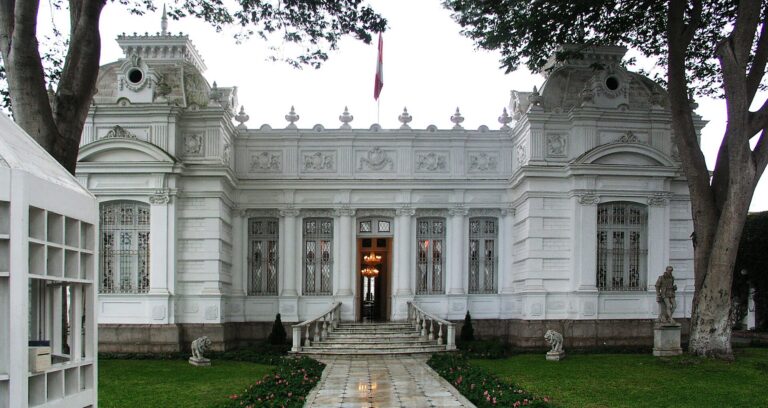
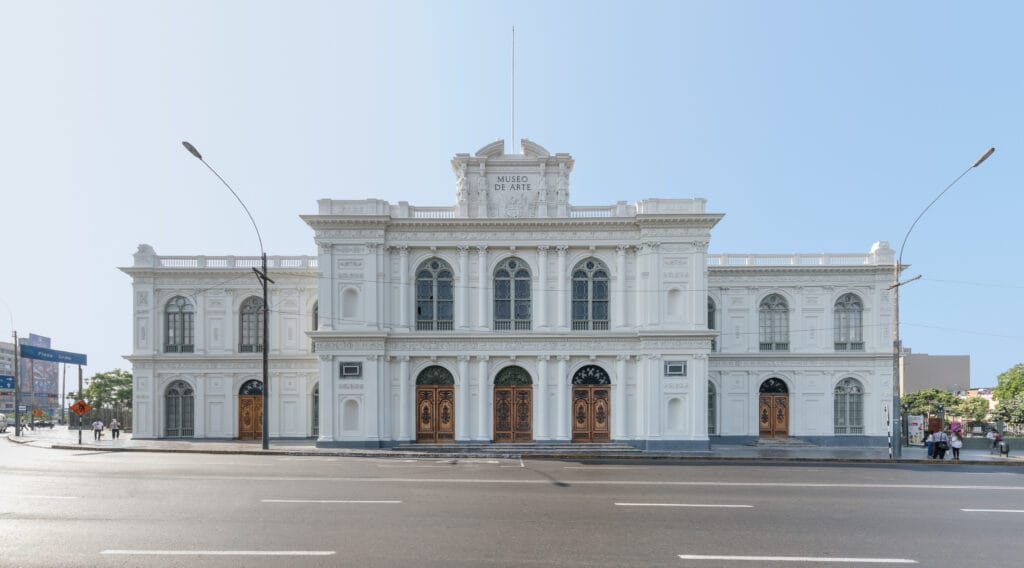
Approaching the Museo de Arte de Lima, visitors are greeted by the imposing façade of the former Palacio de la Exposición, a grand structure nestled within the Parque de la Exposición. The building’s elegant neoclassical design—with its tall columns, expansive arches, and stately balconies—immediately communicates a sense of gravitas and cultural importance. The surrounding parkland provides a serene ambiance that contrasts with Lima’s urban pace, creating a tranquil setting for art exploration. Upon entering, the lobby area feels spacious yet welcoming, with clear signage directing guests toward ticketing and exhibition areas. The layout of the museum is designed to guide visitors logically through its various collections, offering a straightforward pathway to engage with Peru’s artistic evolution. The entrance area often features introductory displays or announcements about ongoing exhibits or educational programs, providing context before one ventures deeper into the galleries.
Highlights and Key Exhibitions
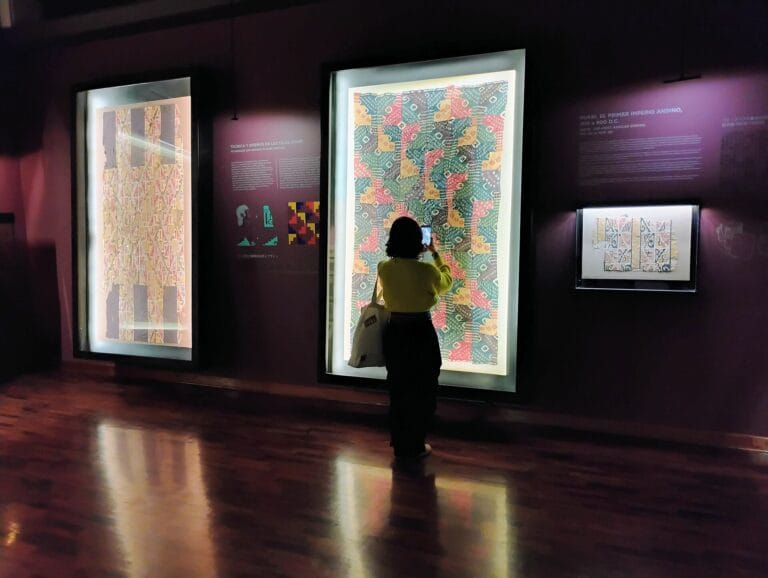
The Museo de Arte de Lima represents an unparalleled journey into Peruvian art, and several core sections stand out as definitive highlights. The pre-Columbian collection, one of the most extensive in the country, offers an insight into the rich indigenous cultures that flourished on Peruvian soil. Visitors can encounter ceramics, textiles, metalwork, and stone carvings from the ancient civilizations of the Moche, Nazca, Wari, and Inca, among others. These artifacts are presented with insightful interpretative materials that help explain their cultural significance and the sophistication of the societies that created them.
The colonial art galleries demonstrate the complex interplay between indigenous and European artistic traditions following the Spanish conquest. Here, visitors can appreciate religious paintings, sculptures, and decorative arts from the colonial period, which reflect the fusion of Catholic iconography with native motifs and techniques. These collections provide valuable insights into the cultural negotiations that shaped Peruvian identity during this transformative era.
For those interested in more recent developments, the museum also features extensive collections of 19th and 20th-century Peruvian art, showcasing the works of prominent artists who have contributed to modern movements and national expression. Paintings, sculptures, and installations are curated to illustrate the evolving styles and thematic concerns that characterize Peru’s contemporary art scene. These galleries are often complemented by thoughtfully curated exhibitions that engage with social, political, and cultural issues relevant to Peru’s ongoing artistic discourse.
Visitor Experience
The visitor experience at MALI is marked by a balance of educational depth and visual accessibility. The museum’s layout supports an intuitive flow from one historical period to the next, allowing for a coherent understanding of Peru’s artistic trajectory. The exhibition spaces are thoughtfully designed, with lighting and display cases that enhance the visibility and appreciation of artifacts and artworks. Information panels are carefully composed to offer context without overwhelming the visitor, providing historical background, artistic analysis, and cultural significance.
Additional resources such as audio guides and multilingual descriptions contribute to a more inclusive experience for international visitors. The museum also fosters engagement through interactive elements in certain sections, adding dynamism to the educational aspect. Educational programming, including workshops, lectures, and guided tours, is frequently offered, making the museum a vibrant center for learning.
The museum’s café and gift shop provide convenient spots for breaks and provisions of souvenirs or art books related to Peruvian art and culture. Staff are reportedly attentive and knowledgeable, enhancing the overall atmosphere of professionalism and hospitality.
Tickets, Access, and Planning
Ticketing at the Museo de Arte de Lima is generally straightforward and affordably priced, with concessions available for students, seniors, and groups. The museum’s official website offers up-to-date information on ticket prices, opening hours, and any special considerations necessary for planning a visit. It is advisable to check the schedule in advance as hours may vary on holidays or special occasions.
Accessibility is a noted focus for the museum, with wheelchair access and facilities designed to accommodate visitors with reduced mobility. Clear signage and spacious corridors aid in navigation for all visitors. The museum’s location within Lima is accessible by various forms of public transportation, and there is also provision for parking nearby, making it convenient for tourists and locals alike.
For those interested in deeper engagement, the website often provides information on ongoing exhibitions and upcoming events, enabling careful planning around temporary displays or educational offerings. Group visits and school tours can be arranged, supporting a range of visitor needs.
Final Verdict
The Museo de Arte de Lima is a cornerstone institution for anyone seeking to understand Peru through its visual culture. The museum successfully balances a comprehensive historical narrative with contemporary relevance, presenting its collections in a manner that is both informative and engaging. Its architectural grandeur, combined with well-curated exhibitions, makes for a stimulating cultural experience that appeals to a broad audience, from casual visitors to serious art enthusiasts.
While the museum excels in its presentation of Peruvian art across epochs, it could benefit from occasional enhancements in digital engagement and expanded multilingual resources outside of Spanish and English. Still, the depth of its collections and the quality of its programming firmly establish it as a must-visit cultural venue in Lima.
In sum, the Museo de Arte de Lima offers an enriching artistic journey that highlights Peru’s dynamic and diverse cultural heritage. It stands not only as a guardian of the past but as a vibrant center for contemporary artistic expression, making it an inspiring destination for those who wish to explore the evolution of Peruvian art within the broader currents of Latin American history.