Toledo Museum of Art Review
Art Museums · Toledo, United States. The Toledo Museum of Art (TMA) in Toledo, Ohio, is a prominent cultural institution with roots tracing back to the early 20th century. Established in 1901 by a group of Toledoans driven by a…
Art Museums · Toledo, United States. The Toledo Museum of Art (TMA) in Toledo, Ohio, is a prominent cultural institution with roots tracing back to the early 20th century. Established in 1901 by a group of Toledoans driven by a…
Best forArt lovers, visual culture, architecture
Review focusCollections, curatorial focus, and visitor planning
Historical Context
The Toledo Museum of Art (TMA) in Toledo, Ohio, is a prominent cultural institution with roots tracing back to the early 20th century. Established in 1901 by a group of Toledoans driven by a belief in the educational and civic value of the arts, the museum quickly became a cornerstone of the city’s public life. The founding vision emphasized accessibility and the development of an institution that could both educate and entertain a broad audience. Over the decades, the museum steadily grew its collection and reputation through several significant donations and acquisitions.
Its physical expansion, including the notable 2006 Glass Pavilion designed by architect SANAA, reflects the museum's ongoing commitment to combining architectural innovation with a strong curatorial identity. The TMA has long been recognized for its rigorous approach to collecting and exhibiting art, with a particular strength in glass art, alongside its varied holdings in painting, sculpture, prints, and decorative arts. Situated in the Midwest rather than a large coastal metropolis, the museum has served as an important cultural hub for the region, offering both local residents and visitors access to art that spans epochs and geographic boundaries.
What You See on Arrival
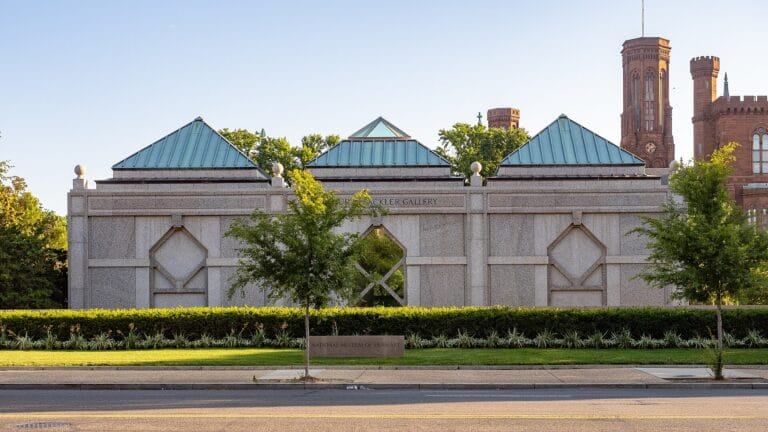
Visitors approaching the Toledo Museum of Art first encounter a campus-like setting marked by a blend of neoclassical and contemporary architecture. The main building sits amidst a landscaped setting that lends the institution a calm, dignified atmosphere. This entrance establishes a clear identity: a museum that respects tradition while embracing modern design elements.
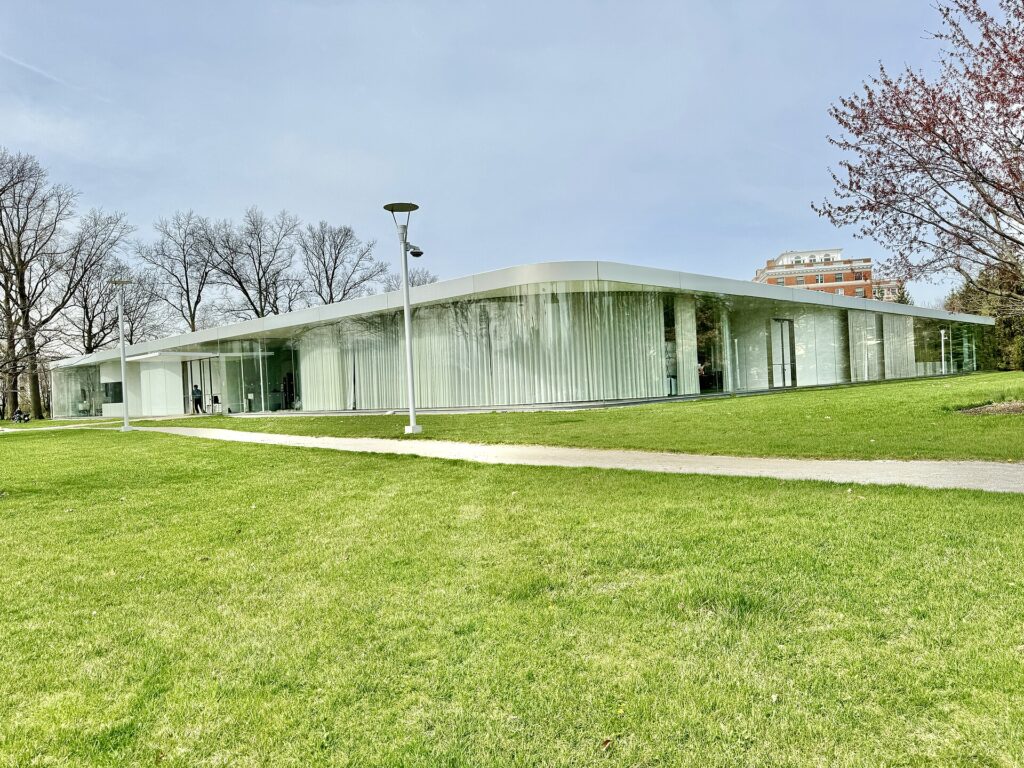
The glass-fronted pavilion, which opened in 2006, contrasts deliberately with the main classical facade. Its transparent expanses invite natural light and give passersby visual access to the museum’s renowned glass collection, instantly signaling one of the institution’s core strengths. In this way, the museum publicly announces its unique specialization even before guests step inside.
The spatial arrangement encourages a measured approach to the visit, with gathering spaces and clearly marked entrances. This design helps prepare visitors mentally for a museum experience that values both quiet contemplation and educational engagement. From the exterior, the Toledo Museum of Art gives an impression of seriousness complemented by openness, appealing to audiences that appreciate depth and clarity in their art experience.
Highlights and Key Exhibitions
The Toledo Museum of Art’s permanent collection is its central strength, built from more than a century of focused growth. One of its best-known domains is European and American painting, where visitors can trace developments from early Renaissance works through impressionism and into modern art. The collection includes works by notable artists such as El Greco, Rembrandt, Turner, Monet, and Cézanne — providing a broad, chronological survey of Western painting.
Complementing these are significant holdings in decorative arts, including ceramics, glassware, furniture, and metalwork. The museum’s glass art collection is particularly distinguished, arguably recognized at the national level. Due to Toledo’s historical association with the glass industry, the museum has cultivated and acquired an especially extensive and diverse range of glass objects. This includes everything from ancient pieces to contemporary studio glass that reflects the evolution of the medium as both functional craft and expressive art form.
The 2006 Glass Pavilion was built to showcase this specialty. It is designed explicitly to enhance the viewing of glass works through optimal lighting and spatial organization. Visitors exploring this section encounter works by key artists such as Dale Chihuly alongside historical artifacts. The museum’s commitment to glass extends beyond objects to educational programming, demonstrating the material’s cultural and technological significance throughout human history.
Sculpture, prints, and works on paper supplement the main collections, with strong 19th-and 20th-century holdings that give a good sense of artistic development across media. The museum also maintains solid examples of Asian art, including Japanese and Chinese ceramics and prints, which diversify the overall experience but represent a smaller focus compared to the Western collections.
While the museum does not routinely stage large-scale temporary exhibitions on the level of some major metropolitan institutions, it periodically features thematic displays drawn from its holdings or from loan collections. Its curatorial approach is generally conservative, favoring well-researched, stable exhibitions over high-profile but transient shows. This means the museum experience offers steady thematic coherence but may not satisfy visitors seeking the excitement of blockbuster contemporary exhibits.
Visitor Experience
For those planning a visit, the Toledo Museum of Art offers an experience designed for thoughtful engagement without overwhelming visitors with sheer scale or complexity. The layout is generally manageable, allowing guests to navigate the collection at a comfortable pace. The museum’s interpretive materials, including wall labels and descriptive text panels, tend to be clear and informative without heavy academic jargon, appealing to a wide range of visitors from casual art admirers to serious enthusiasts.
One notable strength is the way the museum integrates its glass collection with the overall layout, using light and space to highlight both technical skill and aesthetic qualities. Visitors interested in modern craft or industrial design will find this aspect of the museum particularly rewarding.
However, the museum’s focus on historical and decorative arts means those seeking cutting-edge contemporary art or avant-garde installations may find the programming limited in that regard. While the museum occasionally ventures into modern and contemporary acquisitions, it does so cautiously, favoring historical context over experimental display. This curatorial balance suits an audience interested in art history, technique, and artistic tradition more than the latest trends.
In addition, the museum’s size and collection strategy mean it is best suited to visitors with a moderate to keen interest in art. It is less oriented toward families with very young children unless they are prepared for a quieter, more contemplative visit. The museum offers periods of natural pause and reflection, which may appeal to students, scholars, and collectors.
Tickets, Access, and Planning
Specific details on admission prices, opening hours, accessibility arrangements, and available public programs fluctuate. It is always advisable for prospective visitors to consult the Toledo Museum of Art’s official website to check current information on tickets, discounts, guided tours, and any visitor services. This is particularly important given that museums sometimes adjust operations or offerings based on seasonal considerations or public health guidelines.
The museum’s location in Toledo is accessible via regional transport links, but visitors relying on private vehicles should seek information about parking options ahead of time. The campus itself is designed to be navigable, but individuals with mobility needs should verify the museum’s up-to-date accessibility services.
The museum campus includes indoor and outdoor spaces, and some weather considerations might influence how comfortably visitors experience these areas, especially when touring the glass pavilion or any sculpture garden components. Planning a visit during mild weather can enhance the overall enjoyment but is not strictly necessary.
Final Verdict
The Toledo Museum of Art stands as a substantial regional museum with a focused, carefully cultivated identity. Its greatest assets lie in its strong collection of Western paintings and decorative arts, anchored by the distinctive glass art holdings that connect deeply with Toledo’s local industrial heritage. For visitors prioritizing quality and breadth in traditional art historical categories, the museum offers a rewarding experience.
At the same time, its relatively conservative exhibition policy and concentration on historical art can limit its appeal for audiences searching for more cutting-edge contemporary art or dynamic temporary shows. While it is architecturally interesting, especially for those drawn to the interplay between classical and modern design, the museum does not rely on architectural spectacle alone but aims instead to frame art accessibly and thoughtfully.
Those who visit should prepare for a setting that encourages reflection over rapid consumption. The interpretive framework is intended to support engagement without overwhelming. As a museum that reflects its role within a medium-sized American city, the Toledo Museum of Art provides a serious, well-rounded art experience, anchored by collections of genuine depth but modest enough in scale to be approachable in a single visit.
Ultimately, the Toledo Museum of Art suits visitors who appreciate a scholarly yet accessible approach to the arts with a special emphasis on glass and traditional painting and decorative arts. For anyone seeking to understand the region’s cultural fabric or explore high-quality works across several centuries, it offers substantial rewards within a carefully considered institutional framework.