Musée Rodin Review
Art Museums · Paris, France. The Musée Rodin, situated in the heart of Paris, is a dedicated institution celebrating the works of Auguste Rodin, one of the most influential sculptors of the late 19th and early 20th centuries. Established…
Art Museums · Paris, France. The Musée Rodin, situated in the heart of Paris, is a dedicated institution celebrating the works of Auguste Rodin, one of the most influential sculptors of the late 19th and early 20th centuries. Established…
Best forMasterpieces, architecture, cultural history
Review focusCollection highlights, building, visitor flow
Historical Context
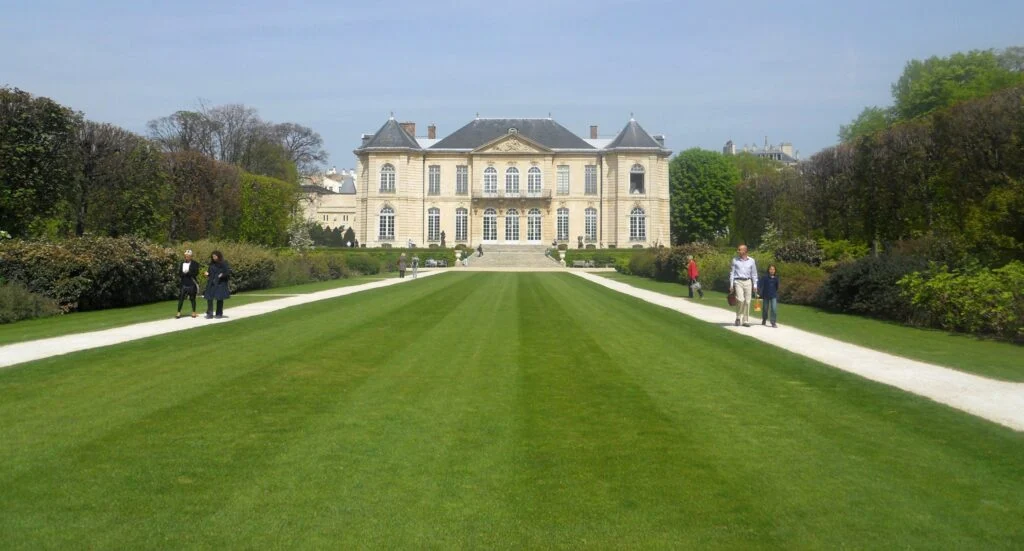
The Musée Rodin, situated in the heart of Paris, is a dedicated institution celebrating the works of Auguste Rodin, one of the most influential sculptors of the late 19th and early 20th centuries. Established in 1919, shortly after Rodin’s death, the museum occupies the Hôtel Biron and its surrounding gardens in the 7th arrondissement, a fittingly elegant setting that complements the artist’s oeuvre. Rodin is often credited with shaping modern sculpture, breaking away from traditional forms and introducing expressive realism and emotional depth. The museum not only showcases his sculptures but also offers insight into his creative process through drawings, photographs, and letters. It reflects Rodin’s lasting impact on art history and Paris’s cultural landscape, serving as both a tribute and a place of study for enthusiasts of sculpture and modern art. The institution holds one of the most comprehensive collections of his work, making it an essential destination for understanding Rodin’s artistic legacy.
What You See on Arrival
Upon approaching the Musée Rodin, visitors are greeted by the serene and meticulously maintained gardens that surround the Hôtel Biron. The location is immediately notable for its blend of architectural elegance and natural beauty, with classical French landscaping providing a tranquil counterpoint to the striking bronze and marble sculptures dotting the grounds. Among the first sculptures to capture attention are iconic pieces such as "The Thinker," which loom impressively in the outdoor space. These garden sculptures set the tone for the visit, offering a foretaste of the emotional intensity and technical mastery that characterizes the museum’s collection. The mansion itself, with its stately façade and refined interior spaces, suggests a historical grandeur and invites exploration. The quiet charm and the seamless integration of art and environment create an expectation of an immersive cultural experience.
Highlights and Key Exhibitions
The museum’s holdings include numerous emblematic works that define Rodin’s art. Foremost among these is "The Gates of Hell," a monumental bronze portal inspired by Dante’s Divine Comedy. This ambitious and complex piece showcases Rodin’s skill in dramatic narrative and symbolic depth, featuring many figures that would become famous in their own right, including "The Thinker" and "The Kiss." Inside the mansion, visitors can observe the evolution of Rodin’s style through various early and mature works, with sculptures ranging from delicate, almost impressionistic forms to bold, raw-outlined pieces. The museum also provides insight into Rodin’s role as a pioneer who challenged traditional academic sculpture, emphasizing human emotion and psychological nuance. Lesser-known but equally captivating are the plaster models and studies that reveal his experimental approach. The extensive gardens offer a unique outdoor gallery where sculptures interact organically with light and nature, enhancing their visual and emotional impact.
Visitor Experience
The Musée Rodin offers a contemplative and enriching visitor experience, marked by both its content and its setting. The layout, while centered around the Hôtel Biron’s elegant rooms, benefits greatly from the expansive gardens, which encourage a relaxed pace and outdoor enjoyment alongside the indoor exhibits. The spatial organization allows art lovers to observe the sculptures from multiple perspectives and distances, fostering a deeper appreciation of form and detail. Information is provided through clear, informative plaques, and more in-depth context is accessible via optional audio guides and occasional guided tours, which are helpful for those unfamiliar with Rodin’s work or sculpture in general. The museum manages a balance between accessibility and preservation, maintaining a calm and respectful atmosphere conducive to reflection. Visitor facilities, including a café and bookshop, contribute positively to the overall ambiance, making it more than just a museum visit but a holistic cultural outing.
Tickets, Access, and Planning
Planning a visit to the Musée Rodin requires some consideration to optimize the experience. Tickets can be purchased on-site or, more conveniently, online via the museum’s official website, which also provides updated information on opening hours, any scheduled closures, and special events. Admission prices are generally moderate, with discounts available for students, seniors, and groups, and free entry for children under a certain age. The museum is accessible via several public transport options, with nearby metro stations and bus stops serving the 7th arrondissement. For visitors with mobility challenges, the museum offers accommodations, although some areas, particularly older parts of the hotel building, may present limitations typical of historical structures. The gardens are fully accessible, enhancing the visit for those with differing needs. It is advisable to allocate at least two to three hours to fully explore both the interior exhibitions and the extensive outdoor collection. Planning ahead helps avoid peak hours, especially during weekends and the tourist high season.
Final Verdict
The Musée Rodin stands as a quintessential destination for anyone interested in sculpture, modern art, or Parisian cultural heritage. It succeeds in presenting Auguste Rodin’s legacy in a manner that is both accessible and sophisticated, offering a rich array of works that illuminate the artist’s innovative spirit and technical prowess. The combination of the historic Hôtel Biron and the beautifully arranged gardens creates an atmosphere of elegance and introspection rare among art museums. While the museum is particularly rewarding for those with some familiarity or interest in sculpture, it is equally welcoming to casual visitors due to its clear interpretive materials and the sheer emotional power of Rodin’s works. Occasional accessibility constraints, inherent in the building’s age, are mitigated by thoughtful planning and available resources. Overall, the Musée Rodin remains a landmark institution that art lovers and tourists alike will find both inspiring and memorable.