Musée de l’Orangerie Review
Art Museums · Paris, France. The Musée de l'Orangerie in Paris is a distinguished cultural institution that traces its origins to the early 20th century. Nestled within the Tuileries Garden, adjacent to the Place de la Concorde, the museum…
Art Museums · Paris, France. The Musée de l'Orangerie in Paris is a distinguished cultural institution that traces its origins to the early 20th century. Nestled within the Tuileries Garden, adjacent to the Place de la Concorde, the museum…
Best forMasterpieces, architecture, cultural history
Review focusCollection highlights, building, visitor flow
Historical Context
The Musée de l'Orangerie in Paris is a distinguished cultural institution that traces its origins to the early 20th century. Nestled within the Tuileries Garden, adjacent to the Place de la Concorde, the museum was originally conceived to house a collection of impressionist and post-impressionist artworks in a setting that emphasized harmony between art and nature. Its architectural design, with oval rooms flooded by natural light, offers an intimate environment conducive to viewing some of the most celebrated paintings of the late 19th and early 20th centuries. The museum’s most iconic feature is arguably the Water Lilies series by Claude Monet, a monumental collection that revolutionized perceptions of landscape painting and remains a touchstone in modern art history. Over the decades, the Musée de l'Orangerie has expanded and refined its collection to encompass exceptional works by Cézanne, Renoir, Matisse, and Picasso, reflecting key developments in European avant-garde movements. Its reputation as a temple of modern art within Paris’ rich cultural tapestry continues to draw interest from art historians and enthusiasts worldwide.
What You See on Arrival
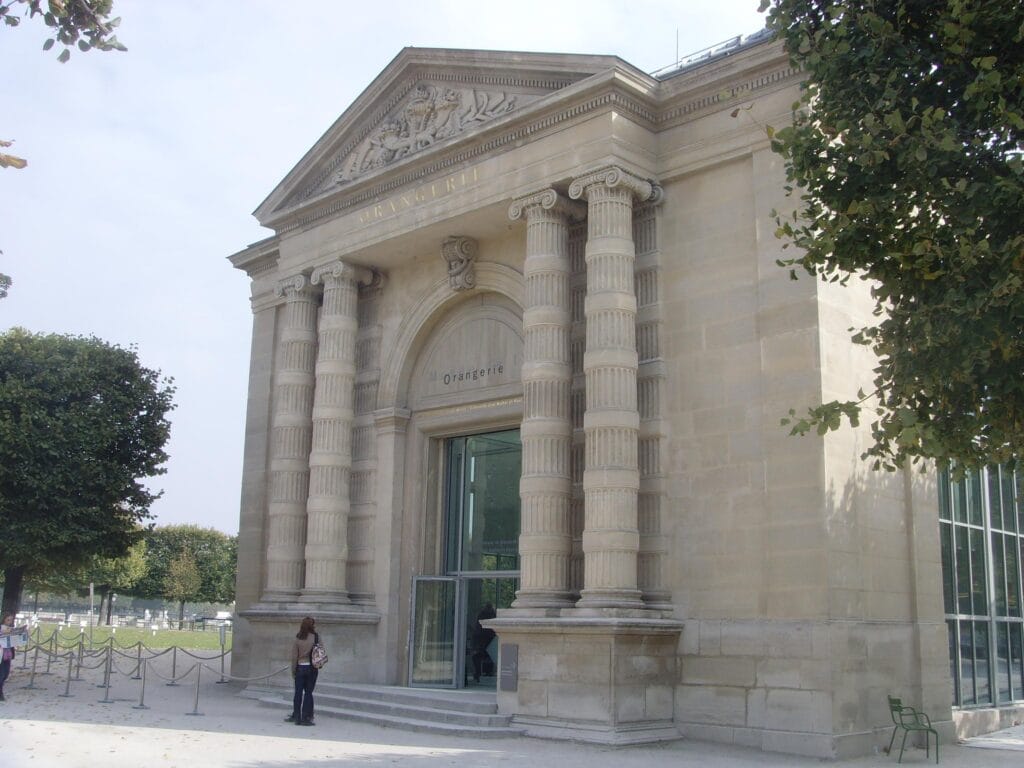
Upon approaching the Musée de l'Orangerie, visitors are greeted by the serene and picturesque setting of the Tuileries Garden, an ideal prelude to the artwork contained within. The building itself presents a modest and understated exterior, blending harmoniously with the classical surroundings. The entrance is accessible from the garden, offering a seamless transition from outdoor leisure space to interior contemplation. Inside, the layout quickly reveals the museum's unique architectural hallmark: two large oval rooms designed specifically for the display of Monet’s Water Lilies. Their curved walls and generous skylights create an immersive experience as visitors are enveloped by these vast, panoramic canvases. Beyond these galleries, the museum extends into smaller rooms where a carefully curated collection of impressionist and modern masterpieces is displayed, arranged thematically to explore the evolution of artistic styles. The overall design emphasizes clarity and contemplation, encouraging slow and thoughtful engagement with the artworks.
Highlights and Key Exhibitions
The Musée de l'Orangerie's centerpiece is undeniably Claude Monet’s Water Lilies, a cycle of eight enormous panels that capture the artist’s late-career obsession with his own garden’s pond. These canvases are displayed in the specially designed oval rooms, offering a 360-degree visual experience that can be both meditative and overwhelming. The scale, light, and brushwork transport viewers into the heart of Monet’s impressionist vision. Outside Monet’s work, the museum hosts an impressive selection of impressionist and post-impressionist paintings by artists such as Paul Cézanne, whose still lifes and landscapes demonstrate a profound exploration of form and color, and Pierre-Auguste Renoir, whose depictions of everyday life highlight his mastery of light and beauty. The collection also features significant works by Henri Matisse and Pablo Picasso, illustrating the modernist break from traditional representation. These exhibitions offer a well-rounded narrative of the transition from impressionism to modernism, with particular attention to the expressive potentials of color and form in early 20th-century art.
Visitor Experience
The Musée de l'Orangerie is known for providing a contemplative and intimate visitor experience that contrasts with the often overwhelming scale of larger Parisian museums. The small size of the museum allows for a manageable visit without the fatigue commonly associated with extensive collections. The layout’s clever use of natural light enhances the colors and textures of the paintings, especially in the oval rooms where Monet’s Water Lilies glow under diffused sunlight. Information panels are discreet and informative, striking a balance between academic rigor and accessibility, making the museum suitable for both experts and casual visitors. The calm ambiance is further supported by limited visitor capacity in the central galleries, ensuring that the integrity of viewing is preserved. In terms of amenities, the museum offers a modest bookshop and a café, both of which maintain the museum’s focus on reflection and cultural enrichment. Overall, the atmosphere encourages thoughtful engagement with the artwork, fostering an emotional and intellectual connection.
Tickets, Access, and Planning
Acquiring tickets to the Musée de l'Orangerie is straightforward, with options to purchase online or at the museum’s entrance. Online purchase is recommended, particularly during peak tourist seasons, to avoid queues and ensure timed entry. The museum is part of Paris’ broader network of cultural institutions, and many combined ticket options and Paris Museum Passes include admission, which can be an economical choice for those intending to explore multiple venues. The location adjacent to major Paris landmarks ensures convenient access by public transport, including several metro lines and bus routes. For travelers with mobility challenges, the museum is equipped with ramps and elevators, and staff are generally helpful in providing assistance. Opening hours are consistent throughout the week, though closure on certain holidays is to be expected. Visitors are advised to allocate roughly one to two hours to fully appreciate the highlights without rushing. Advanced planning is also prudent to coincide with the museum’s quieter periods, often weekday mornings, for an optimal viewing atmosphere.
Final Verdict
The Musée de l'Orangerie stands as an essential pilgrimage site for anyone interested in impressionism and the foundations of modern art. Its intimate scale and distinctive architectural design create an environment perfectly suited to the display of masterpieces that have shaped artistic traditions worldwide. While it lacks the extensive breadth of larger museums, its focused collection delivers depth and quality, particularly through Monet’s Water Lilies, which alone justify a visit. The museum’s curated selection of impressionist and modern works forms a coherent narrative that illuminates the artistic innovations of the late 19th and early 20th centuries. visitor experience is enhanced by thoughtful lighting, well-considered layout, and informative but unobtrusive interpretative materials. Practical considerations such as ticket purchase, accessibility, and location add to its appeal. For art lovers visiting Paris, the Musée de l'Orangerie offers a uniquely contemplative encounter with some of the most sublime works in art history, making it a highly recommended destination on the city’s cultural map.