Musée de l’Orangerie
Art Museums · Paris, France. The Musée de l'Orangerie is a renowned art museum situated in the heart of Paris, France. Nestled within the Tuileries Gardens alongside the Seine River, this museum is internationally celebrated for housing an exquisite…
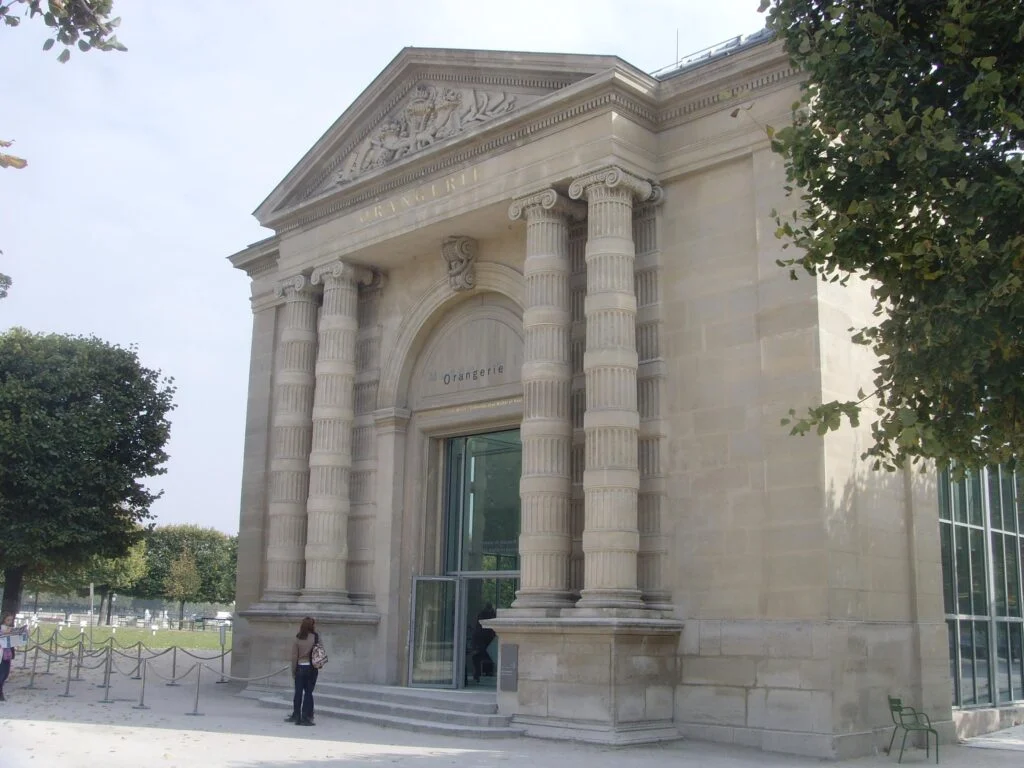
Best forMasterpieces, architecture, cultural history
Setting / nearbyThe heart of Paris, France
Overview
The Musée de l'Orangerie is a renowned art museum situated in the heart of Paris, France. Nestled within the Tuileries Gardens alongside the Seine River, this museum is internationally celebrated for housing an exquisite collection of Impressionist and Post-Impressionist masterpieces. The museum’s intimate and thoughtfully arranged galleries offer visitors a profoundly immersive experience, showcasing works by some of the most influential artists of the late 19th and early 20th centuries. The Musée de l'Orangerie is particularly famed for its unique presentation of certain monumental works that engage viewers directly with their scale and delicate color harmonies.
Collection Highlights
The core attraction of the Musée de l'Orangerie is its exceptional collection of paintings by Claude Monet, especially the monumental series known as the Water Lilies. These canvases envelop several oval rooms in a gentle, natural light, designed to echo a tranquil garden pond. The installation’s serene ambiance invites quiet contemplation, making it one of the most celebrated impressions of nature in modern art.
Beyond Monet, the museum houses a rich variety of works by other major artists of Impressionism and Post-Impressionism. Visitors will find captivating paintings by Paul Cézanne, whose landscapes and still lifes contribute to the shaping of modern art. The collection also features vibrant pieces by Henri Matisse and Pierre-Auguste Renoir, whose brushwork and vivid palettes exemplify their innovative approaches to color and form.
The museum further includes important works by artists such as Amedeo Modigliani, Paul Gauguin, Pablo Picasso, and Georges Braque, each contributing to the museum’s narrative of artistic evolution. Some of these paintings reveal the transition toward modernist tendencies and Cubism, highlighting a rich tapestry of styles and periods. Additionally, the museum displays various watercolors, drawings, and smaller formats, complementing the larger oil paintings and broadening the scope of its artistic commentary.
Building and Setting
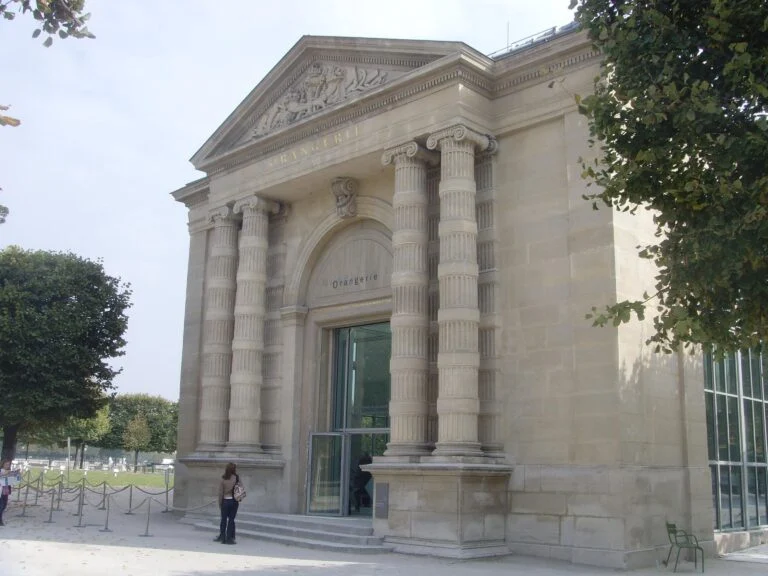
The Musée de l'Orangerie occupies a historic 19th-century building originally designed as an orangery—hence its name—to shelter citrus trees during the winter months. The structure was adapted in the early 20th century to create spacious and luminous galleries, perfectly suited to display the Water Lilies. The natural light that filters gently from above enhances the colors and details of the paintings without overwhelming them.
The museum’s location in the Tuileries Gardens offers a harmonious blend of natural beauty and cultural heritage. After exploring the galleries, visitors can enjoy a stroll in the lush surroundings, along paths that have welcomed Parisians and travelers alike for centuries. The proximity to other notable Parisian landmarks, such as the Louvre Museum and Place de la Concorde, makes the Musée de l'Orangerie a perfect stop within a broader cultural itinerary.
Practical Information
Those planning a visit to the Musée de l'Orangerie are advised to check the latest opening hours and ticketing options on the museum’s official website or trusted local resources, as these details may vary according to seasons or special exhibitions. The museum generally offers standard admission fees, with reduced rates available for youth, seniors, and certain eligible groups. Entry is often free for residents of the European Union under a certain age, alongside special provisions on designated days.
Accessibility is typically considered, with accommodations for visitors with mobility challenges, though confirming current arrangements in advance is recommended for a smooth experience. Audio guides and printed guides in various languages may be available to enrich the visit, along with occasional temporary exhibitions and educational workshops for adults and children.
The museum is easily accessible by public transportation, with several metro stations within walking distance, making it a convenient cultural destination amid the lively city. Amenities include a bookshop and a small café or refreshments area, providing opportunities to relax or find material related to the museum’s collection and exhibitions.
Why Visit
The Musée de l'Orangerie offers a uniquely intimate encounter with some of the most pivotal works in the history of modern art. Its specialization in Impressionist and Post-Impressionist pieces, curated with sensitivity and spatial awareness, allows visitors to appreciate the subtle innovations in technique and vision that shaped contemporary artistic expression.
Perhaps most compelling is the chance to experience the Water Lilies in a setting conceived by the artist himself, inviting a meditation not just on art but on nature, light, and time. The museum’s smaller size, compared to other major Parisian institutions, ensures a quieter and more focused visit, ideal for those seeking a deeper connection with the works on display.
Its combination of a historic, airy building and a picturesque location in the celebrated Tuileries Gardens enhances the overall atmosphere, making the visit as much about enjoying the Parisian cultural and natural environment as about the art within the walls. For anyone interested in the evolution of modern painting, the Musée de l'Orangerie remains a must-see destination that promises inspiration, reflection, and aesthetic pleasure.