Skagens Bamsemuseum Review
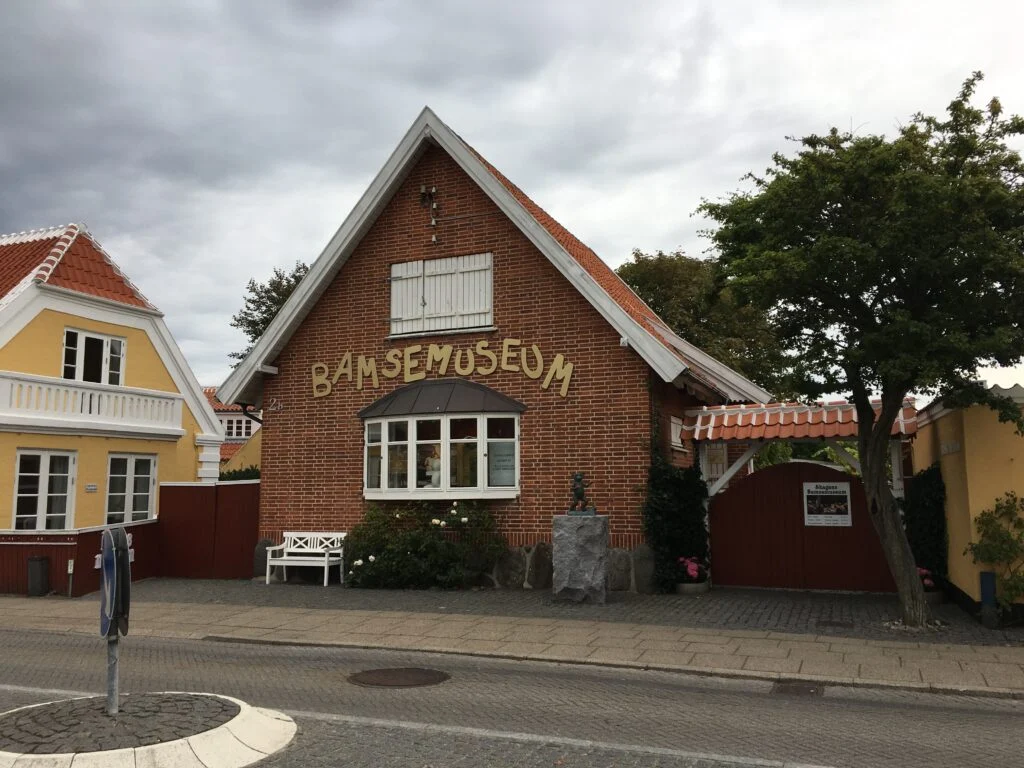
Intro Skagens Bamsemuseum in Skagen, Denmark, is a very small museum and needs to be judged on that basis. It is not a major historical institution, not.
Intro Skagens Bamsemuseum in Skagen, Denmark, is a very small museum and needs to be judged on that basis. It is not a major historical institution, not.
Best forMasterpieces, architecture, cultural history
Review focusCollection highlights, building, visitor flow
Intro
Skagens Bamsemuseum in Skagen, Denmark, is a very small museum and needs to be judged on that basis. It is not a major historical institution, not a large cultural landmark, and not a museum that attempts to explain the wider identity of Skagen. Instead, it is a specialty collection centered on teddy bears and the imaginative world of toy display. Seen on those terms, it can be a pleasant and surprisingly distinctive stop. Judged against the town’s major museums, it is obviously something else entirely.
That distinction matters because niche museums often disappoint only when visitors bring the wrong expectations. Skagens Bamsemuseum is best approached as a compact curiosity: personal in scale, specialized in content, and oriented toward charm more than historical depth.
How the Site Works
The museum works through concentration. It takes one familiar object category, the teddy bear, and builds a full micro-world around it. Rather than offering a broad historical survey of toys or childhood, it presents an environment shaped by collecting, arrangement, and themed display. This approach suits the scale of the institution.
Because the museum is small, the visit depends heavily on atmosphere. There is little room for grand interpretation, so the success of the site lies in whether visitors respond to the affection and specificity of the collection itself. Those who enjoy toy museums, collectors’ displays, or unusual private-style museums are likely to understand its appeal quickly.
The site also works best as a secondary stop. It fits into a broader day of sightseeing in Skagen rather than replacing the town’s major museums. Used in that way, it can add variety and lighten the tone of an itinerary otherwise shaped by art and local history.
Exhibitions and Collection
The museum’s collection consists of teddy bears presented in themed arrangements and display settings. This is not a museum built around one or two rare centerpieces. Its identity comes from cumulative charm, from the number of objects gathered, and from the way they are staged to create small worlds.
That said, the collection is limited in scope. Visitors seeking formal historical context, major educational framing, or a strong scholarly narrative will likely find the museum modest. It is more successful as a collector’s space opened to the public than as a classic interpretive museum.
Within those limits, however, the collection has a clear appeal. Teddy bears carry associations with childhood, affection, nostalgia, and design, and the museum uses those qualities directly. For children and for adults with an interest in toy culture, the displays may feel warm and engaging.
The strongest exhibitions are simply those that embrace the museum’s specialty. It works best when it does not attempt to be too much more than a teddy bear museum. The narrower the focus, the more convincing the museum becomes.
Architecture / Space
Architecture is not a major part of the experience. The museum is intimate and functional in layout, and the emphasis stays on the displays rather than the container. This is appropriate. A small specialty museum like this does not need spatial grandeur to succeed.
What matters instead is comfort and readability. Visitors need to feel that the scale is part of the museum’s identity rather than a sign of incompleteness. In the best moments, the site manages that. The museum feels personal and contained rather than simply small.
Its place within Skagen is part of the appeal too. The town has a wider variety of museums than its size might suggest, and Skagens Bamsemuseum contributes to that diversity by adding a more eccentric and family-oriented note to the local museum map.
Visitor Experience
The visitor experience is brief and light. Families with younger children, collectors, and visitors who enjoy niche museums are the most likely to appreciate it. For them, the small scale can feel appropriate and even part of the charm. For visitors seeking a substantial museum destination, the site will probably feel limited.
The museum’s success depends heavily on mood and expectation. If you arrive hoping for a major cultural institution, it will disappoint. If you arrive willing to enjoy a compact specialty collection for what it is, the visit can be pleasant and distinctive.
Because the museum is short in duration, it works best as part of a larger Skagen day. It is not where most visitors will spend the central portion of their itinerary, but it can offer a gentle interlude between larger cultural stops.
Historical Context
Toy museums occupy an unusual place in museum culture. They often sit somewhere between nostalgia, collecting, design history, and family entertainment. Skagens Bamsemuseum belongs to that tradition more than to formal public history. Its significance is therefore limited but still real within the context of small specialty museums.
In Skagen, the museum’s historical importance is less about the town itself and more about the diversity of cultural offerings available there. It shows how museum culture can include not only major institutions and canonical histories, but also small private-style collections built around affection for a very specific subject.
Practical Information
The museum currently indicates opening by arrangement or through nearby contact, so visitors should check in advance rather than assume standard hours. Admission is paid at a modest level, with details subject to change. Because the visit is short, it is best folded into a wider itinerary rather than made the sole focus of a day.
Visitors with children or a strong liking for toy collections are the most natural audience. Others may prefer to treat it as an optional curiosity.
Final Verdict
Skagens Bamsemuseum is a small specialty museum that works best when approached with realistic expectations. It is not a major museum in Skagen, but it can be an enjoyable niche stop for the right audience. Its strengths are charm, specificity, and family-friendly character.
For collectors, children, and visitors who enjoy unusual museum subjects, it may be worth a short visit. For travelers seeking deep historical or artistic engagement, it is likely to remain secondary.
Plan your visit
Plan Skagens Bamsemuseum as a supplementary stop rather than a headline destination. Check opening arrangements ahead of time, since access may depend on local contact or prior arrangement. It works best alongside Skagen’s larger museums, where it can add a small and more playful dimension to a broader cultural day.