Maritime Museum of Barcelona Review
Maritime Museums · Barcelona, Spain. The Maritime Museum of Barcelona, situated in the historic city of Barcelona, Spain, stands as a vital institution dedicated to preserving and showcasing the rich maritime heritage of the Mediterranean and the Catalan coast.…
Maritime Museums · Barcelona, Spain. The Maritime Museum of Barcelona, situated in the historic city of Barcelona, Spain, stands as a vital institution dedicated to preserving and showcasing the rich maritime heritage of the Mediterranean and the Catalan coast.…
Best forMasterpieces, architecture, cultural history
Review focusMaritime collections, ship history, and visitor planning
Historical Context
The Maritime Museum of Barcelona, situated in the historic city of Barcelona, Spain, stands as a vital institution dedicated to preserving and showcasing the rich maritime heritage of the Mediterranean and the Catalan coast. Housed within the imposing Royal Shipyards, a Gothic naval edifice that dates back to the 13th century, the museum reflects centuries of maritime prowess and shipbuilding tradition that formed the backbone of Barcelona’s economic and cultural identity. The Royal Shipyards themselves are an impressive architectural monument, originally constructed to serve as the Royal Navy’s main arsenal during the Crown of Aragon’s maritime dominance. The museum’s focus extends beyond local history, encompassing a broad narrative about seafaring, navigation, and naval innovation, connecting the Mediterranean’s maritime legacy to global maritime history. By situating maritime artifacts and historical vessels within such a context, the Maritime Museum of Barcelona functions not only as a repository of maritime culture but also as an educational platform for understanding the enduring relationship between humanity and the sea.
What You See on Arrival
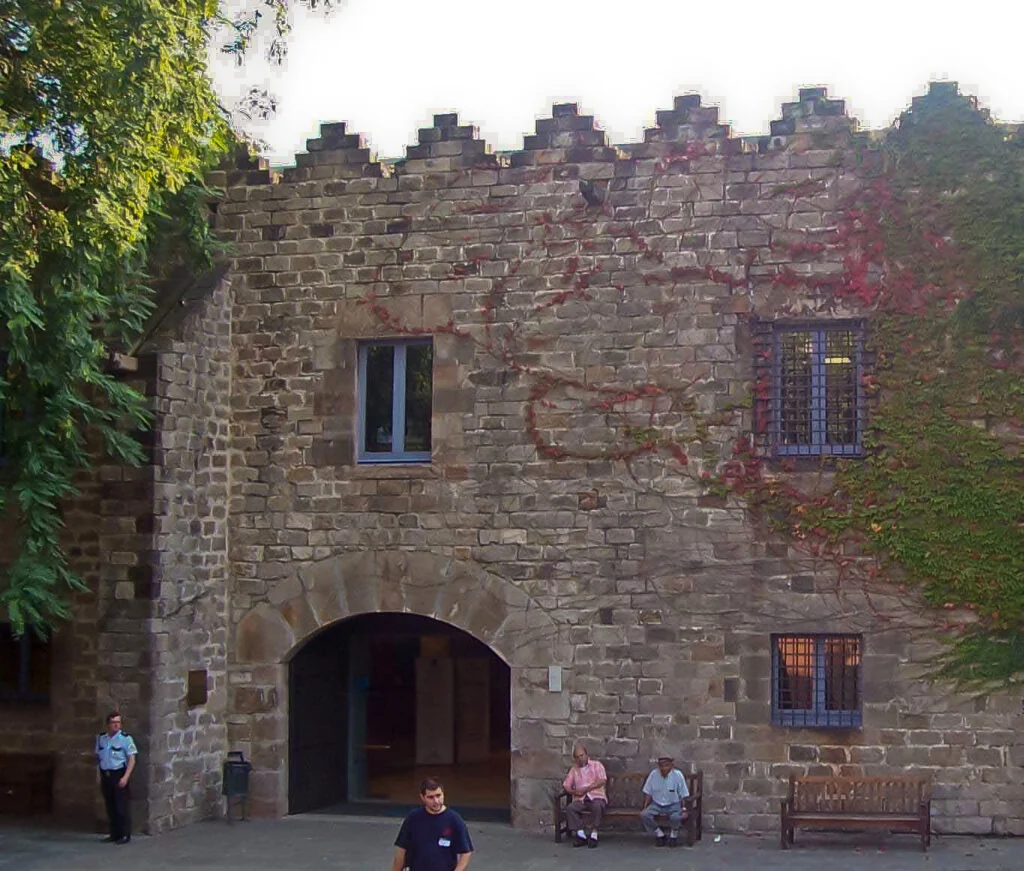
Approaching the Maritime Museum of Barcelona, visitors are immediately struck by the grandeur of the Royal Shipyards’ medieval facade. Its large stone arches and towering walls offer a palpable sense of the building’s historic function as a naval fortress and shipyard. The museum’s entrance is thoughtfully designed to merge the old with the new, providing a welcoming gateway that preserves the imposing exterior while guiding visitors into an expansive exhibition space. Upon entry, the expansive interior courtyard serves as a transitional space that connects various galleries and exhibitions. This open area, often used for special events or multimedia displays, hints at the museum’s dynamic approach to presenting maritime history. The vastness of the Royal Shipyards structure becomes evident as visitors explore, with high vaulted ceilings and wide corridors that echo its original utilitarian purpose. The architectural detailing throughout enhances the visitor’s immersion in historical maritime culture, setting the tone for an educational and visually impressive experience.
Highlights and Key Exhibitions
The Maritime Museum of Barcelona houses an extensive collection of maritime artifacts, ship models, navigational instruments, and historic vessels that collectively narrate the story of Mediterranean maritime activity. One of the museum’s prominent highlights is the meticulously reconstructed medieval galley, a replica of the warship type used extensively during the Crown of Aragon’s reign. This life-sized vessel offers a unique glimpse into the naval warfare and shipbuilding technologies of the 14th and 15th centuries. The model ship collection is comprehensive, featuring detailed representations of various ship types from different eras and regions, which help illustrate the evolution of naval architecture. Equally fascinating is the array of navigational instruments, from early compasses to sextants, which reveal the technological advancements that enabled mariners to explore and trade across vast distances. Exhibitions are organized thematically and chronologically, with carefully curated displays that examine the economic, social, and cultural impact of maritime activities on Barcelona and the broader Mediterranean region. The museum also dedicates considerable attention to the commercial shipping industry and traditional fishing techniques, reflecting the diverse relationship between the city and the sea.
Visitor Experience
The Maritime Museum of Barcelona offers a visitor experience that skillfully balances educational depth with engaging presentation. Interpretative panels and multimedia components consistently enhance understanding, providing context for those less familiar with maritime terminology or history. The spatial layout facilitates a coherent flow, encouraging exploration without overwhelming visitors. The museum’s lighting and display techniques create an atmospheric environment, especially in galleries where smaller artifacts are exhibited. Some canopies and open spaces provide natural light, lending an airy feeling to parts of the collection, contrasting with the more enclosed rooms where maritime instruments and models require focus. Audio guides are typically available and are often multilingual, supporting a broad international audience. The museum’s staff is known for their helpfulness, contributing to a welcoming atmosphere that caters to both casual visitors and maritime scholars. While the museum prioritizes historical accuracy, it also presents the human stories behind maritime history, including the lives of sailors and shipbuilders, adding a valuable personal dimension to the experience.
Tickets, Access, and Planning
Ticketing at the Maritime Museum of Barcelona is generally straightforward, with options for individual admission, guided tours, and family packages. Prices tend to be moderate, reflecting the museum’s public educational mission, and there are generous concessions for students, seniors, and residents of Barcelona. The museum often participates in city-wide cultural programs, offering free or discounted entry on specific days or times, which encourages repeat visits and accessibility. In terms of access, the museum is well-served by Barcelona’s public transportation network, including bus and metro lines, as well as being within walking distance from several of the city’s most visited neighborhoods. The building itself is adapted for visitors with mobility challenges, featuring ramps and elevators where necessary, although the historical nature of the structure imposes some limitations on complete accessibility. It is advisable to plan ahead by consulting the official museum website for the latest information on opening hours, ticket availability, and any temporarily restricted areas. Arriving early is also recommended to avoid peak times, allowing a more leisurely exploration of the exhibits.
Final Verdict
The Maritime Museum of Barcelona stands as a compelling cultural destination for those interested in maritime history, Mediterranean trade, and the rich nautical traditions of Catalonia. Its location within the Royal Shipyards provides an evocative historical setting that enhances the storytelling and visual appeal of the museum’s collections. The exhibits are thoughtfully curated to offer both depth and breadth, catering to academics, enthusiasts, and casual visitors alike. While the museum excels in its comprehensive portrayal of maritime themes through a combination of artifacts, reconstructed vessels, and technological displays, its atmosphere remains accessible rather than intimidating, fostering an inclusive environment. Minor challenges related to the age and structure of the building may impact some visitors’ mobility, but overall, the museum is well-equipped to accommodate diverse audiences. For those planning a cultural or educational visit to Barcelona, the Maritime Museum is a rewarding experience that provides valuable insight into the vital role the sea has played in shaping the city’s identity, economy, and heritage throughout history.