KODE Art Museums and Composer Homes Review
Art Museums · Bergen, Norway. Situated in the historically and culturally rich city of Bergen, Norway, the KODE Art Museums and Composer Homes represent a distinctive fusion of artistic heritage and musical legacy. The KODE complex comprises several buildings…
Art Museums · Bergen, Norway. Situated in the historically and culturally rich city of Bergen, Norway, the KODE Art Museums and Composer Homes represent a distinctive fusion of artistic heritage and musical legacy. The KODE complex comprises several buildings…
Best forTransport history, engineering, families
Review focusCollections, curatorial focus, and visitor planning
Historical Context
Situated in the historically and culturally rich city of Bergen, Norway, the KODE Art Museums and Composer Homes represent a distinctive fusion of artistic heritage and musical legacy. The KODE complex comprises several buildings spread across the city center, each housing a unique collection that reflects different facets of Norwegian and international art history. This institution traces its roots back to the 19th century, evolving through private collections and public acquisitions, and ultimately forming one of Scandinavia’s premier art destinations. It is not only significant for its visual art holdings but also notable for preserving the homes and personal artifacts of renowned Norwegian composers such as Edvard Grieg, thus offering visitors a multifaceted cultural experience. By integrating fine art with music history, KODE provides a rare contextual framework that highlights the connections between creative disciplines in Norway’s cultural evolution.
What You See on Arrival
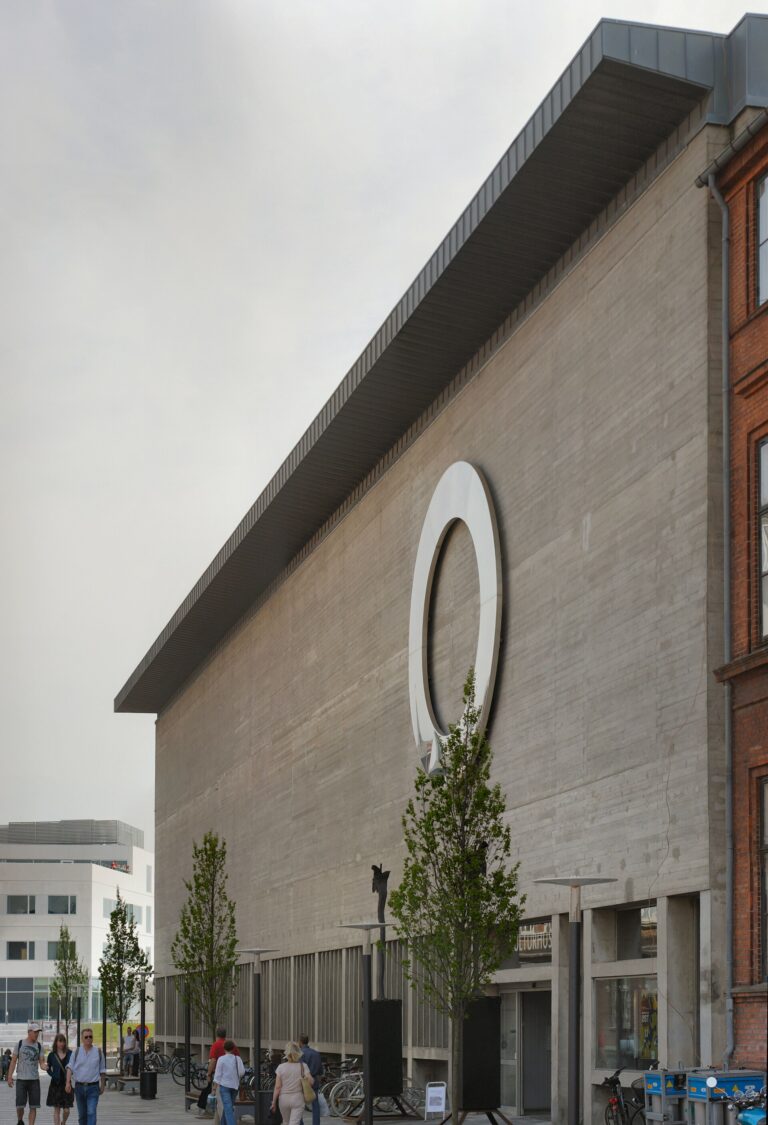
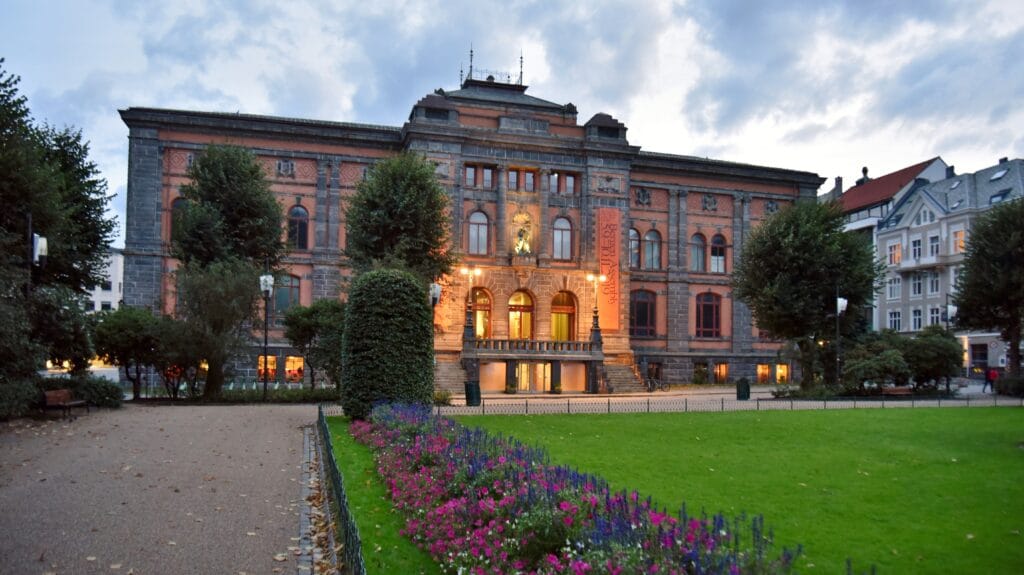
Upon arrival, KODE presents itself not as a singular building but as a network of architectural landmarks spread throughout Bergen’s historic city center. Visitors are greeted by a blend of stately classical structures alongside modern gallery spaces that contrast yet complement the traditional surroundings. The outdoor areas are inviting, with landscaped gardens and waterfront views that enhance the overall ambiance. Signage and guides provide clear directions to each building, easing navigation between the museums and composer homes that make up the KODE institution. First impressions suggest a destination that values both preservation and accessibility, promising a variety of experiences housed within elegant, thoughtfully restored settings.
Highlights and Key Exhibitions
KODE’s core appeal lies in its diverse and comprehensive art collections, which span from early Nordic works to contemporary international pieces. Among the prestigious artworks featured are significant pieces by prominent Norwegian painters, including those representative of the Romantic and Modernist periods. The museum also showcases exemplary works of decorative arts, glassware, and design, underscoring Norway’s industrial and artistic craftsmanship. The composer homes stand out as unique heritage sites, preserving the environments in which towering figures of Norwegian music composed some of their most influential works. These homes are meticulously maintained to evoke authentic atmospheres, with original furnishings, manuscripts, and musical instruments on display. Together, the art galleries and composer homes offer an enriching narrative of Norway’s cultural history through both visual and auditory lenses.
Visitor Experience
Visitors to KODE can expect a well-curated experience that balances educational content with aesthetic enjoyment. The museum’s layout encourages exploration, allowing guests to move fluidly between diverse collections and thematic exhibitions. Audio guides and multilingual information panels enrich understanding, especially for international guests unfamiliar with Norwegian art and music history. The institution’s commitment to educational outreach is evident in guided tours and special programming, which cater to various age groups and interests. Quiet spaces and seating areas throughout the galleries offer opportunities for reflection, making the experience accessible for those preferring a more contemplative visit. However, given the spread-out nature of the complex, some visitors may find moving between locations a bit time-consuming, requiring a reasonable amount of walking.
Tickets, Access, and Planning
Admission pricing at KODE is structured to accommodate both local residents and tourists, with options for single entries and combined passes covering multiple buildings within the complex. Discounts are often available for students, seniors, and groups, enhancing affordability. The official website provides detailed information on opening hours, ticketing policies, and visitor guidelines, assisting with advance planning. Accessibility is a key consideration, with provisions for wheelchair users and visitors with mobility challenges, although the historic buildings may present some limitations in this regard. Public transportation links and parking facilities nearby facilitate easy access, but visitors planning to explore all the KODE locations should allocate sufficient time and comfortable footwear to navigate Bergen’s city streets comfortably.
Final Verdict
KODE Art Museums and Composer Homes stands out as a multifaceted cultural destination that skillfully weaves together the visual arts with Norway’s rich musical heritage. Its extensive collections and carefully preserved composer residences provide a comprehensive and layered experience that appeals to art aficionados and music enthusiasts alike. While the dispersed layout requires a bit of logistical planning, the variety and quality of exhibitions and heritage sites offered deliver substantial rewards. KODE’s commitment to conservation, education, and accessibility further reinforces its status as a cornerstone of Norway’s cultural tourism. For visitors seeking to immerse themselves in both the artistic and auditory traditions that have shaped Norwegian identity, KODE offers a compelling, thoughtfully curated journey that resonates well beyond its immediate geographical setting.