KODE Art Museums and Composer Homes
Art Museums · Bergen, Norway. KODE Art Museums and Composer Homes in Bergen, Norway, represent a distinguished cultural institution that offers a multifaceted experience incorporating fine arts alongside the history of renowned composers. As a combination of art museums…
Best forTransport history, engineering, families
Setting / nearbyDifferent parts of Bergen, many of which are set in charming, often historic environments
Overview
KODE Art Museums and Composer Homes in Bergen, Norway, represent a distinguished cultural institution that offers a multifaceted experience incorporating fine arts alongside the history of renowned composers. As a combination of art museums and historic composer residences, KODE deepens the appreciation of both visual and musical arts within the city’s vibrant cultural landscape. The institution spans several buildings, each contributing unique perspectives on Norwegian and international art, design, and music history. This cultural hub invites visitors to explore a broad spectrum of artistic expressions while also shedding light on the lives and works of celebrated composers connected to Bergen.
Collection Highlights
KODE’s art collections are notably varied, embracing Norwegian and international artists across centuries as well as fine examples of design and applied arts. Among the standout works are paintings by Edvard Munch, whose intense and evocative style has had a global influence. Furthermore, the museums exhibit pieces by other prominent Norwegian artists such as Nikolai Astrup and Gerhard Munthe, showcasing the rich tradition and evolution of Scandinavian art.
The collection also includes works from international artists that complement the Norwegian masterpieces, allowing a dialog between local and global art histories. Beyond paintings, there are notable examples of decorative arts and design, illustrating Norway’s contributions to these crafts in both historical and modern contexts.
In addition to the visual art, KODE incorporates several composer homes into its portfolio, where the lives and artistic environments of famous figures like Edvard Grieg and Ole Bull are preserved and interpreted. These house museums provide invaluable insight into the composers’ creative processes and daily lives, complete with period furnishings, musical instruments, and personal memorabilia. This integration of house and art museums is relatively unique and enriches visitors’ understanding of the cultural environment that shaped these important figures in Norwegian music history.
Building and Setting
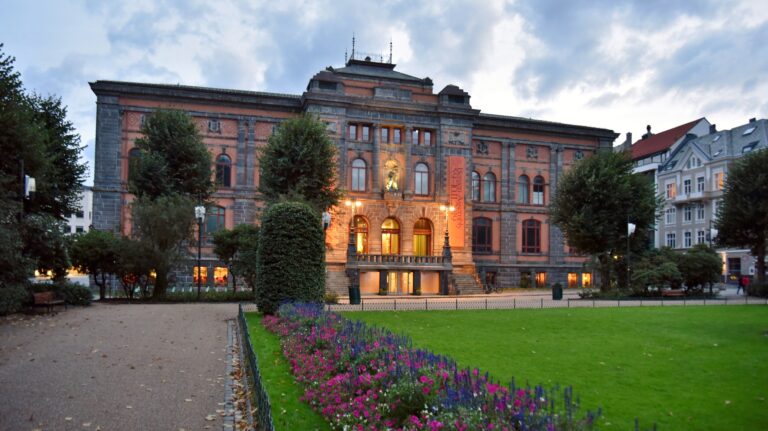
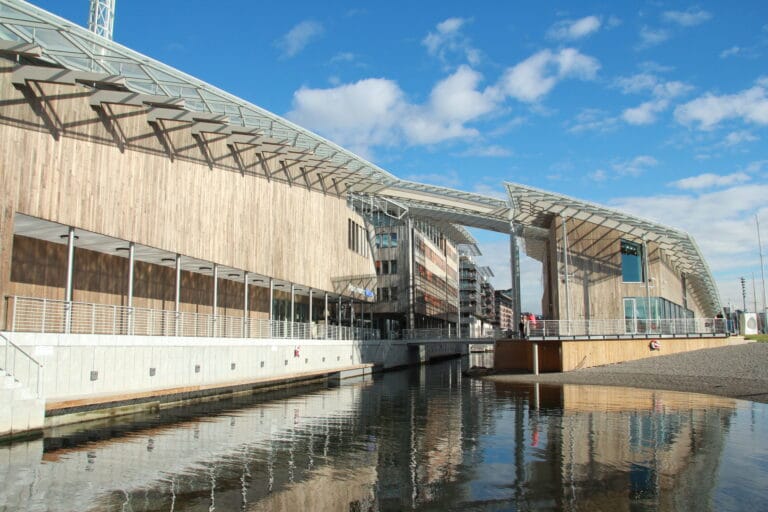
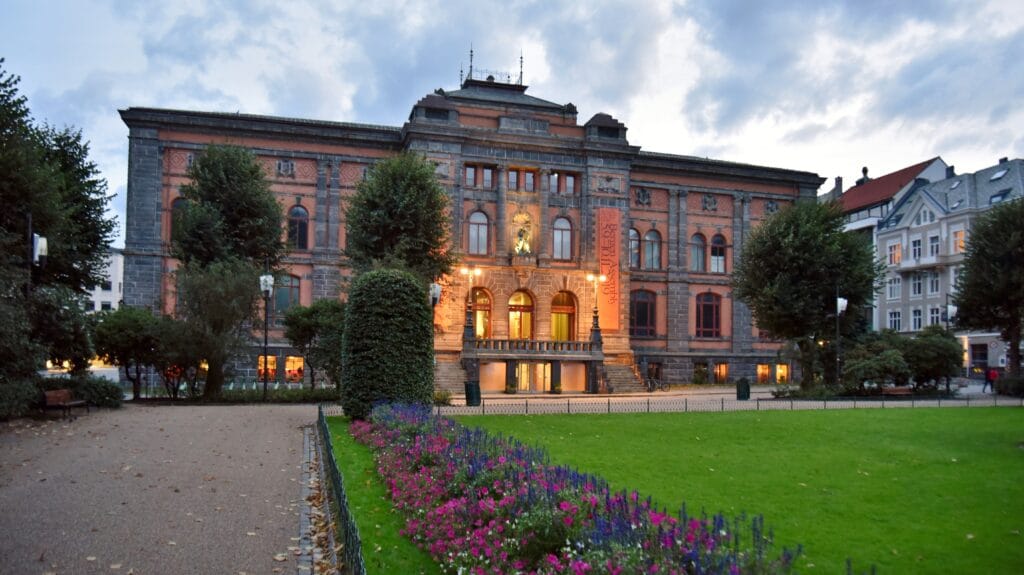
The KODE Art Museums consist of several buildings located in different parts of Bergen, many of which are set in charming, often historic environments. Some buildings offer scenic views over the city and its harbor, adding to the visitor experience with a strong sense of place. The architecture of the museums themselves varies, including classical and modern styles that harmonize with Bergen’s character as a city that values both heritage and contemporary culture.
The composer homes are generally preserved as historic house museums, each with a distinctive atmosphere reflecting the period when the composers lived and worked. These homes are nestled within Bergen’s urban fabric, making them accessible while still offering a retreat into the past. The combination of urban access and natural beauty in the surrounding areas makes for a pleasant and enriching visit.
Practical Information
Visitors planning to explore KODE Art Museums and Composer Homes should be aware that opening hours and ticketing options may vary by location and season. It is recommended to check the museum’s official website or contact the institution directly before visiting to confirm current schedules, ticket prices, and available guided tours or programs. Accessibility information and special events are also typically detailed online.
Given that KODE encompasses multiple sites, visitors may want to allow sufficient time to experience the diversity of offerings fully. Some locations may require separate tickets or advance booking, especially composer homes, which can have limited entry. The museum group usually provides options for combined tickets or passes that can facilitate access to several venues over one or more days.
Why Visit
KODE Art Museums and Composer Homes offer an enriching cultural journey that appeals to a broad range of interests, from art lovers to music enthusiasts and history buffs. The distinctive combination of fine art exhibitions and authentic historical settings dedicated to Norway’s musical heritage makes it a singular cultural destination. Visitors can experience masterpieces of Norwegian and international art while simultaneously stepping into the intimate worlds of legendary composers.
Moreover, the museums are situated in Bergen, a city celebrated for its picturesque landscapes, historic charm, and vibrant cultural scene. KODE enhances this setting by providing thoughtful, well-curated spaces that invite reflection, discovery, and inspiration. Whether inspired by the emotional intensity of the visual artworks or the historic aura of the composer homes, visitors often find KODE to be a place that deepens their connection to the arts and to Norwegian cultural heritage.
In conclusion, KODE Art Museums and Composer Homes stand as a testament to the rich artistic and musical traditions of Bergen and Norway. The ability to move fluidly between art collections and composer histories within a beautiful and engaging setting makes it a must-visit for those seeking a comprehensive cultural experience in this region.