Jakarta History Museum Review
Art Museums · Jakarta, Indonesia. The Jakarta History Museum, also known locally as Museum Fatahillah, stands on what was once the administrative heart of Batavia, the Dutch colonial city that preceded modern Jakarta. Set within the imposing and well-preserved…
Art Museums · Jakarta, Indonesia. The Jakarta History Museum, also known locally as Museum Fatahillah, stands on what was once the administrative heart of Batavia, the Dutch colonial city that preceded modern Jakarta. Set within the imposing and well-preserved…
Best forArt lovers, visual culture, architecture
Review focusCollections, curatorial focus, and visitor planning
The Museum in Context
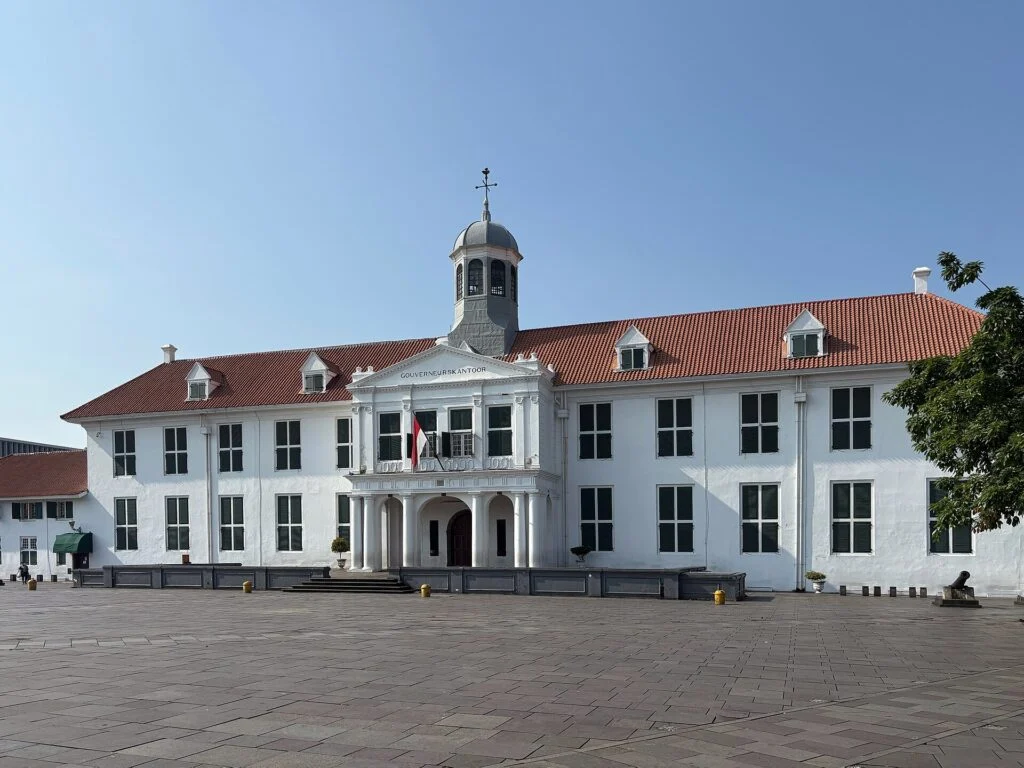
The Jakarta History Museum, also known locally as Museum Fatahillah, stands on what was once the administrative heart of Batavia, the Dutch colonial city that preceded modern Jakarta. Set within the imposing and well-preserved former Stadhuis (city hall) built in 1710, the museum occupies a structure that is itself a major historical artifact. This lends a particular resonance: the building is not a neutral container for history but a direct architectural legacy of the era it explores. Its location in the historic Old Town (Kota Tua) district places it among other colonial-era landmarks, providing a tangible link to the layered story of Jakarta’s transformation from a trading post into the capital of Indonesia.
Unlike a general city history museum, Jakarta History Museum is tightly focused on the city’s evolution, centering on the Dutch colonial period but also including elements of pre-colonial and post-independence history. This focus narrows the scope but allows the museum to engage more substantially with the complexities of Jakarta’s identity and urban development. For anyone interested in colonial histories, urbanism in Southeast Asia, or the legacies of European imperialism on Indonesia, it offers a direct gateway. What sets it apart from broader national or ethnographic museums in Indonesia is its deep dive into Jakarta’s civic and social evolution, told through the lens of one city and one building.
Collections Worth Understanding
The core collection revolves around artifacts from Batavia’s era as a Dutch outpost, including architecture plans, maps, seals, furniture, and household items that reveal the rhythms of colonial administration and life in the city. The objects here are not rare masterpieces of art or ethnography but hold value precisely as material traces of colonial governance and urban life. Their significance lies in their capacity to illustrate everyday power relations and social histories in the city. Among the collection are weaponry, old photographs, coins, and ceramics, helping to ground the museum’s story in tangible, localized evidence.
Additionally, some displays contextualize Jakarta’s earlier Sunda Kelapa port history and the transition to the colonial period, although these are often limited and not the main focus. The museum also touches upon the post-independence urban transformation, but this modern section is smaller and less detailed. The emphasis on colonial-era material culture means the museum might not satisfy visitors looking for extensive ethnographic coverage or contemporary Indonesian history. Nonetheless, its strength lies exactly in these colonial objects and archival materials, which are well preserved and carefully curated.
Presentation and Storytelling
Interpretation concentrates on Batavia’s foundation and growth as a strategic port city within the Dutch East Indies. The storyline is chronological but also thematic, compartmentalizing topics such as colonial governance, trade, social life, and urban development. This approach clarifies how the different facets of the city’s colonial history connect. The use of original documents, such as Dutch city records and maps, lends authenticity and depth, although interpretation panels tend toward the factual and could engage more critically with colonial violence and indigenous perspectives.
Exhibits rely heavily on text and original objects rather than installation or multimedia approaches. This might feel somewhat dated compared with museums that deploy interactive or immersive techniques, but it suits the setting. The historical resonance of the building complements the collections, allowing visitors to experience the material in situ. Opportunities to explore the inner courtyard and the preserved governor’s rooms emphasize the administrative function of colonial power. Still, interpretation does not always question the implications of the colonial legacy rigorously, sometimes presenting it as a linear progress story rather than a contested and painful history.
The Experience on the Ground
While direct visitor experience reviews vary, the museum’s architectural prominence and courtyard offer a spatial and atmospheric anchor that many find compelling. The substantial rooms and open spaces in the Stadhuis invite study and reflection rather than a crowded display environment. Yet, some descriptions suggest that signage can be dense, and the English translations are uneven, which might hinder non-Indonesian speakers from fully appreciating the exhibits.
The museum is situated in a lively tourist district that can attract crowds, particularly on weekends. This might affect the calm needed for in-depth engagement, although the structure’s large footprint helps disperse visitors. Given the focus on documents and older material culture, the pace of the visit is typically slow and contemplative, suited to those prepared to spend time reading and studying. Because of its specific focus, it may feel less accessible to those expecting a comprehensive or thematic city story including contemporary issues.
Where the Museum Excels
The strongest asset is the building itself, an early 18th-century Dutch colonial structure that anchors the museum’s narrative physically and atmospherically. The setting frames Jakarta’s history as a colonial trading hub more effectively than a generic gallery space could. The collections, though not comprehensive, provide a relatively rare window into governance, urbanism, and colonial life, backed by well-preserved documents and municipal artifacts not often displayed elsewhere at this scale in Indonesia.
The museum’s clarity of focus on Batavia’s civic history confines but also defines it. This prevents dilution and creates a resource for scholars or visitors particularly interested in colonial urban history. Moreover, the museum contributes to a cluster of historical sites in Kota Tua, which together build a richer picture of Jakarta’s colonial past. It encourages deeper exploration of the city’s layered history, beyond the usual national hero narratives.
What to Know Before Visiting
Practical visitor information is somewhat sparse in published descriptions, so potential visitors should consult the official website or local sources for accurate and current details on opening hours, ticketing, and any COVID-19 restrictions. Facilities such as rest areas, guides or multimedia aids are not prominently noted, so preparation for limited amenities is sensible. English-language support exists but may be limited, meaning that those without some Indonesian proficiency could find full access to interpretive content challenging.
Being located in the Kota Tua area means the museum is part of a wider visitor circuit, including nearby colonial buildings and streets with cafes and markets. This can be a practical advantage for anyone planning a focused day of historical sightseeing. However, those expecting a contemporary museum experience with interactive displays or narrative innovation might find the presentation conservative.
Our View
This museum’s strength lies in its architectural authenticity and its specific focus on Batavia’s colonial governance and urban history. It offers a detailed glimpse into how a colonial city was managed and experienced, presented through objects and archives concentrated in a historic setting. While the narrative stays fairly close to a conventional colonial story and could challenge colonial assumptions more explicitly, it remains a useful resource.
The museum’s appeal is strongest for those interested in colonial history, Indonesian urban development, and heritage conservation. Its limited scope means it does not tell the whole story of Jakarta but delves into a formative chapter deeply. Some may find the presentation a bit traditional and text-heavy, but the building’s presence and the preserved material culture compensate for that. The Jakarta History Museum is less about spectacle and more about grounding history in place and documentary evidence, which grants it a certain solid reliability. Readers curious about Southeast Asian colonial cities will find it a worthwhile reference point in understanding Jakarta’s layered past.