Jakarta History Museum
Art Museums · Jakarta, Indonesia. The Jakarta History Museum, also known as Museum Fatahillah, occupies a central role in narrating Jakarta’s past. It is a museum focused on the city’s colonial and pre-colonial history, tracing the development of Batavia,…
Best forArt lovers, visual culture, architecture
Setting / nearbyJakarta, Indonesia
Overview
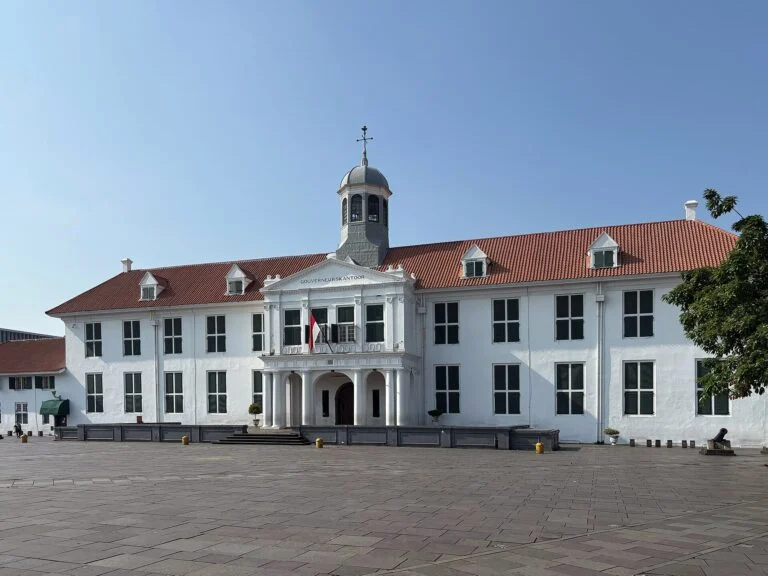
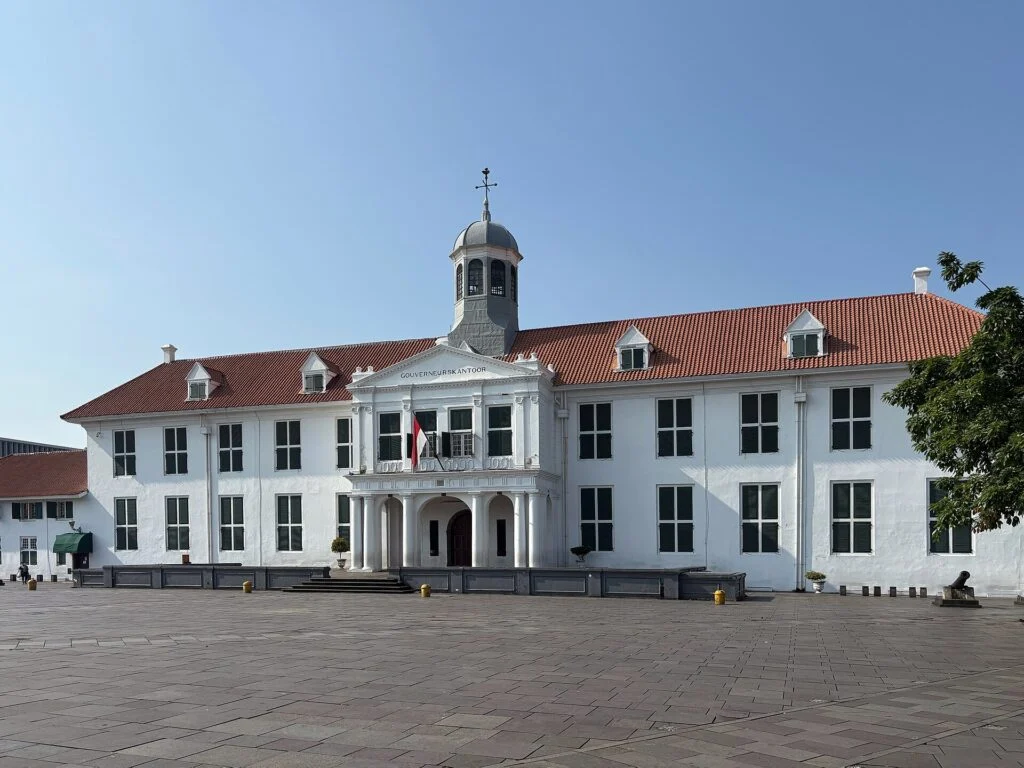
The Jakarta History Museum, also known as Museum Fatahillah, occupies a central role in narrating Jakarta’s past. It is a museum focused on the city’s colonial and pre-colonial history, tracing the development of Batavia, the old name of Jakarta, through its changing rulers and urban growth. Unlike an art museum or broad national museum, it concentrates specifically on telling the story of Jakarta’s origins and transformation over several centuries. The museum is housed in a building with its own deep history, once serving as the city’s town hall during Dutch colonial rule.
Collection Highlights
The museum’s exhibits center on artifacts and displays related to Jakarta’s colonial period, the Dutch East Indies era, and the city’s development from the 17th century onwards. Among the objects are maps, old paintings, and documents that chart the layout of Batavia and its expansion as a trading hub. These historical maps can give visitors a visual understanding of how the city's shape evolved around its fortified walls, canals, and central square.
Besides maps, the museum contains collections of ceramics and everyday items used by people in Batavia, including tableware and handicrafts imported through the colonial trade routes. Weapons and military artifacts from various periods supplement the historical narrative, often with notes on the conflicts and defenses that shaped the city’s past.
The museum also holds portraits and busts of significant colonial figures, officials, and local leaders, offering an insight into the people who influenced the city’s governance and social structures. Photographs and illustrations of old houses, public buildings, and street life complete the picture of urban life before and after independence.
Building and Setting
Situated in the old town area of Jakarta, the museum occupies a colonial-era building originally constructed in the early 18th century. This building served as the Stadhuis (city hall) of Batavia under Dutch rule and is one of the few remaining structures from that period in central Jakarta. Its architecture reflects the Dutch colonial style, with features like large windows, thick walls, and a courtyard. The building’s layout and location around the town square place it at the historical heart of the city’s administrative and social life.
The museum’s setting within the area known as Kota Tua makes it part of a broader cluster of colonial remnants, including forts and warehouses. The immediate surroundings have a collection of other museums and historical sites around Fatahillah Square, indicating this neighborhood was the colonial administrative and trading center.
Practical Information
Since operating hours, ticket prices, and visitor services can change, it is advisable to check the museum’s official website before planning a visit to confirm current information. Details such as admission costs, guided tour availability, accessibility options, and any temporary closures or event scheduling will be listed there. The Jakarta History Museum is generally accessible by public transport options that serve the Kota Tua area, though parking and traffic might be limited near the historic district.
Why Visit
Visiting the Jakarta History Museum rewards those with an interest in urban history, colonial legacy, and the development of Southeast Asian trading centers. The museum excels in presenting the physical and documentary traces of Batavia’s past, allowing visitors to see maps, objects, and portraits that focus on the city’s transformation. Because the museum concentrates on Jakarta itself, it provides a level of detail not often found in broader historical institutions.
Its greatest strength is the combination of historic architecture and focused collections, which together create a coherent sense of place and time. However, interest in the museum depends heavily on a visitor’s engagement with colonial-era history and municipal development. For those more curious about art, anthropology, or broader Indonesian history, the museum offers less scope.
The collection mainly covers the Dutch period and some snippets of earlier times but does not delve deeply into indigenous histories or post-independence developments. Visitors wanting a fuller picture of Jakarta’s past might benefit from pairing this visit with museums focusing on national history or cultural traditions elsewhere in the city.
The building itself rewards attention beyond what is contained in the displays. The preserved Dutch city hall carries the weight of the city’s colonial government and urban design strategy, which complements the collections nicely. Though the museum’s approach is straightforward and focused, it does not elaborate in depth on the social implications or critical interpretations of colonial rule, leaving that to the visitor’s reflection or further reading.
In sum, the Jakarta History Museum offers a clear window into the city’s colonial formation, particularly for those interested in urban planning, colonial administration, and the Dutch East Indies era. Checking up-to-date visitor information will help ensure a smooth visit to this part of Jakarta’s layered history.