Isabella Stewart Gardner Museum Review
Art Museums · Boston, United States. The Isabella Stewart Gardner Museum, situated in Boston, United States, is a distinctive cultural institution that embodies the vision and eclectic tastes of its namesake, Isabella Stewart Gardner. An influential art collector and philanthrop…
Art Museums · Boston, United States. The Isabella Stewart Gardner Museum, situated in Boston, United States, is a distinctive cultural institution that embodies the vision and eclectic tastes of its namesake, Isabella Stewart Gardner. An influential art collector and philanthrop…
Best forMasterpieces, architecture, cultural history
Review focusCollection highlights, building, visitor flow
Historical Context
The Isabella Stewart Gardner Museum, situated in Boston, United States, is a distinctive cultural institution that embodies the vision and eclectic tastes of its namesake, Isabella Stewart Gardner. An influential art collector and philanthropist of the late 19th and early 20th centuries, Gardner endeavored to create a space that would feel less like a conventional museum and more like a Venetian palazzo, reflecting her admiration for European art and architecture. The museum opened its doors in 1903 and was designed specifically to showcase Gardner’s expansive and varied collection, which spans European, Asian, and American art. Its foundation reflects a period in American history when private collectors played a pivotal role in the formation of public cultural heritage through their patronage and vision. The museum is renowned not only for its art but also for its unique arrangement, where Gardner personally curated the installations, combining paintings, sculpture, textiles, and decorative arts in an intimate and immersive way. This legacy remains integral to the museum’s identity, setting it apart from more traditional art institutions.
What You See on Arrival
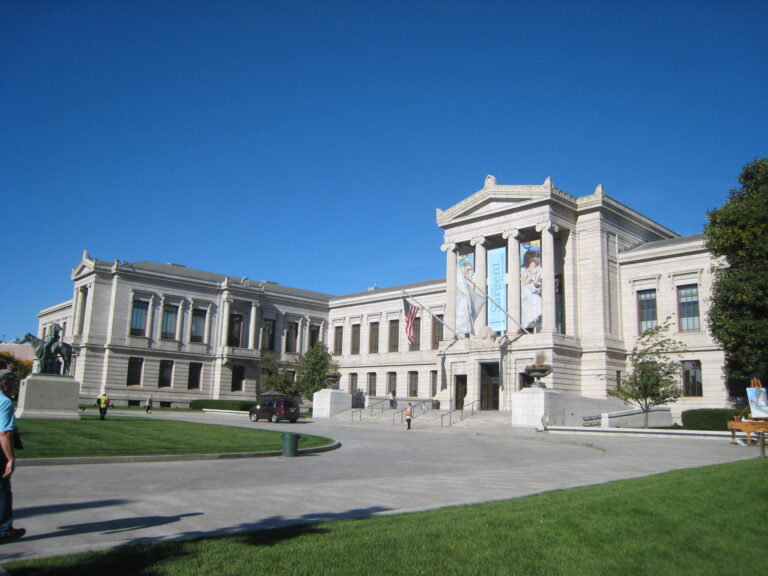
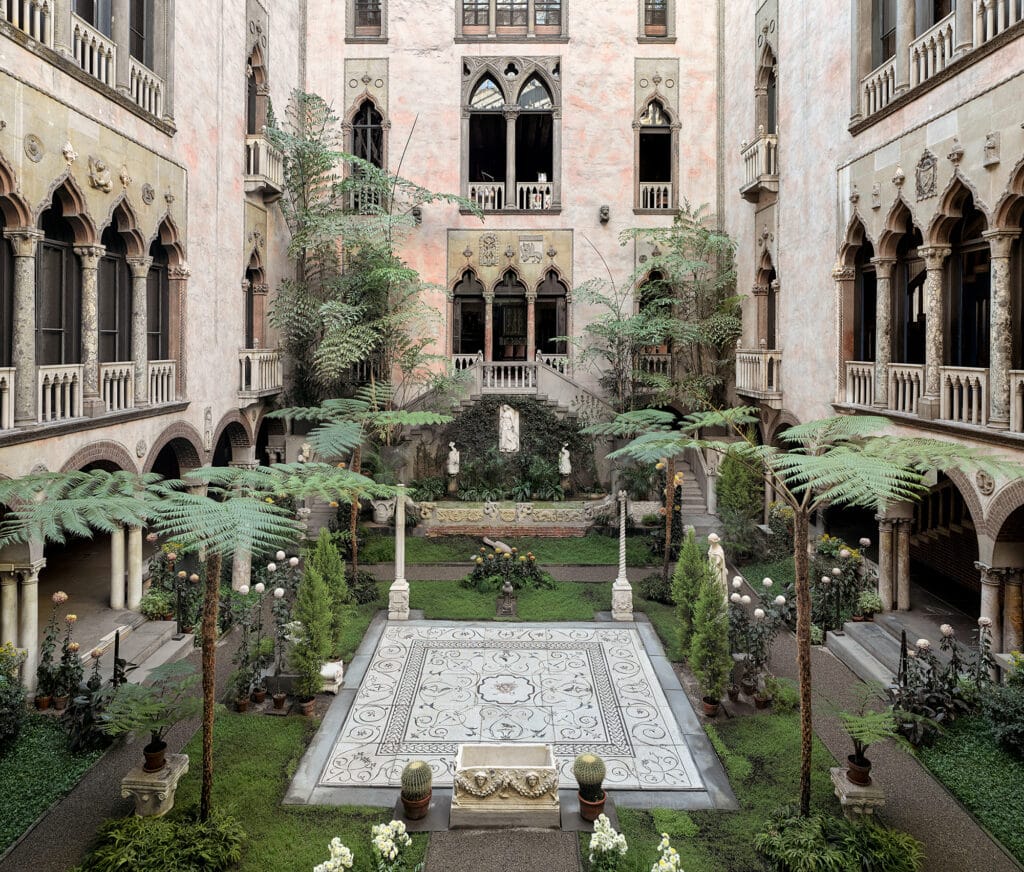
Upon approaching the Isabella Stewart Gardner Museum, visitors are met with a striking façade inspired by Venetian Renaissance architecture. The building’s red brick exterior, punctuated by arched windows and intricate stonework, hints at the old-world charm contained within. The entrance leads into an enchanting central courtyard, a verdant, open-air space framed by galleries and featuring a splendid marble fountain at its heart. This courtyard acts as the museum’s sensory and visual anchor, establishing a serene ambiance that contrasts sharply with the bustling city beyond. Stepping inside, one encounters rooms arranged around the courtyard, whose windows overlook this green sanctuary. The museum maintains a residential scale, evoking the atmosphere of a private home rather than a large public institution, which immediately distinguishes the visitor experience. A sense of intimacy and discovery is cultivated by the foundational design, inviting close and prolonged engagement with the art and artifacts on display.
Highlights and Key Exhibitions
The Isabella Stewart Gardner Museum is renowned for its richly diverse collection, which includes European masterworks, tapestries, manuscripts, and decorative arts, arranged in an idiosyncratic yet harmonious fashion. Among the most celebrated pieces are works by such luminaries as Rembrandt, Titian, Botticelli, and John Singer Sargent. The Renaissance and Baroque paintings are particularly notable, reflecting Gardner’s passion for the art of Italy and the Netherlands. Important sculptures and medieval tapestries add to the depth and historical breadth of the collection, while rare books and manuscripts provide additional texture and insight into the intellectual milieu that Gardner sought to foster.
One of the museum’s defining features is the way in which the collection is installed according to Isabella Stewart Gardner’s own precise instructions, often juxtaposing works from different eras and media to create unexpected dialogues. This curatorial approach challenges traditional chronological or thematic organization. The museum’s uniqueness is also heightened by the fact that the original frames and furnishings remain as Gardner intended, preserving the authenticity of her vision.
It should also be noted that the museum was the site of a notorious art theft in 1990, in which thirteen works of extraordinary value were stolen and remain missing. This unresolved event adds a layer of intrigue and ongoing narrative to the museum’s history, though it does not diminish the overall scope and significance of the surviving collection.
Visitor Experience
The visitor experience at the Isabella Stewart Gardner Museum is crafted to be one of thoughtful contemplation and intimate interaction with art. The museum’s relatively small size compared to larger metropolitan art institutions allows for a more personal and unhurried visit. Many visitors highlight the museum’s tranquil courtyard as a favorite space to pause and reflect, offering a rare opportunity to engage with art in a serene natural setting within the city.
Guided tours and educational programs enhance appreciation for the museum’s eclectic holdings and underlying philosophy. The museum staff are generally well-regarded for their knowledge and friendliness, contributing positively to the overall atmosphere. In addition to the permanent collection, the museum hosts contemporary art installations and performances, expanding its cultural reach and offering diverse experiences for repeat visitors.
The layout can sometimes require careful navigation, as rooms are arranged more by aesthetic harmony than by conventional museum logic, and signage may be minimal by design. This requires visitors to approach their visit with a spirit of curiosity rather than expectation. The inclusion of a café and a gift shop adds to the visitor amenities, allowing for moments of rest and engagement beyond the galleries.
Tickets, Access, and Planning
Planning a visit to the Isabella Stewart Gardner Museum requires some attention to detail. The museum operates with timed entry tickets that are available for purchase online in advance, which helps manage visitor flow and ensures a comfortable experience. Pricing is considered moderate for Boston’s cultural offerings, with discounts available for students, seniors, and local residents. Membership options also provide added value and exclusive access.
Accessibility is a priority for the institution, which provides accommodations for guests with mobility challenges, including wheelchair access and accessible restrooms. However, the historic nature of the building means some areas may be less easily navigable than contemporary facilities, so visitors with specific needs should consult the museum’s resources or contact staff ahead of time for guidance. The location is well served by public transportation, and parking options are available but somewhat limited, so visitors may prefer to use nearby transit options or arrange alternative transportation.
Final Verdict
The Isabella Stewart Gardner Museum stands out as an exceptional cultural gem within Boston’s rich museum landscape. Its unique origin story, deeply personal collection, and distinctive installation style create an artistic environment that is both intimate and intellectually stimulating. The blend of architecture, garden courtyard, and carefully curated artworks fosters a rare experience where art is encountered as part of a whole, lived environment rather than a segmented display.
While its unconventional approach to exhibition and the modest size of the museum may not align with every art lover’s expectations, those seeking a more personal and contemplative encounter with art will find the museum rewarding. The enduring mystery of the 1990 theft adds a poignant dimension to the museum’s story but does not overshadow the quality or diversity of the works on view.
In conclusion, the Isabella Stewart Gardner Museum is a must-visit for those interested in American collecting history, Renaissance and Baroque art, and museums that refuse to conform to traditional display models. It encourages visitors to slow down, appreciate the interplay of art and space, and experience a uniquely curated art trove shaped by an extraordinary woman’s vision.