Howard University Museum;Moorland Spingarn Research Center Review
University Museums · Washington, D. C., United States. The Howard University Museum and Moorland-Spingarn Research Center stand as pivotal institutions within Washington, D.C., emblematic of the city’s rich African American cultural and intellectual heritage. Established within…
University Museums · Washington, D. C., United States. The Howard University Museum and Moorland-Spingarn Research Center stand as pivotal institutions within Washington, D.C., emblematic of the city’s rich African American cultural and intellectual heritage. Established within…
Best forDesign, architecture, visual culture
Review focusMilitary collections, historic context, and visitor planning
Historical Context
The Howard University Museum and Moorland-Spingarn Research Center stand as pivotal institutions within Washington, D.C., emblematic of the city’s rich African American cultural and intellectual heritage. Established within the framework of Howard University, a storied historically black university founded in 1867, these institutions collectively preserve and interpret the histories, arts, and literatures of African Americans and the African diaspora. The Moorland-Spingarn Research Center, originally founded in the early 20th century through the consolidation of the Moorland Foundation and the Spingarn Collection, serves as one of the world’s preeminent repositories of African American archival materials. Meanwhile, the Howard University Museum complements the extensive archival work with an artistic lens, showcasing fine arts and material culture that reflect the experiences and contributions of African Americans.
Together, these centers provide a vital counter-narrative to mainstream historical discourse, emphasizing underrepresented stories that are essential to America’s national identity. The museum and research center not only preserve historical documents, artifacts, and artworks but also support scholarship and education, reinforcing Howard University’s longstanding commitment to social justice, cultural pride, and academic excellence.
What You See on Arrival
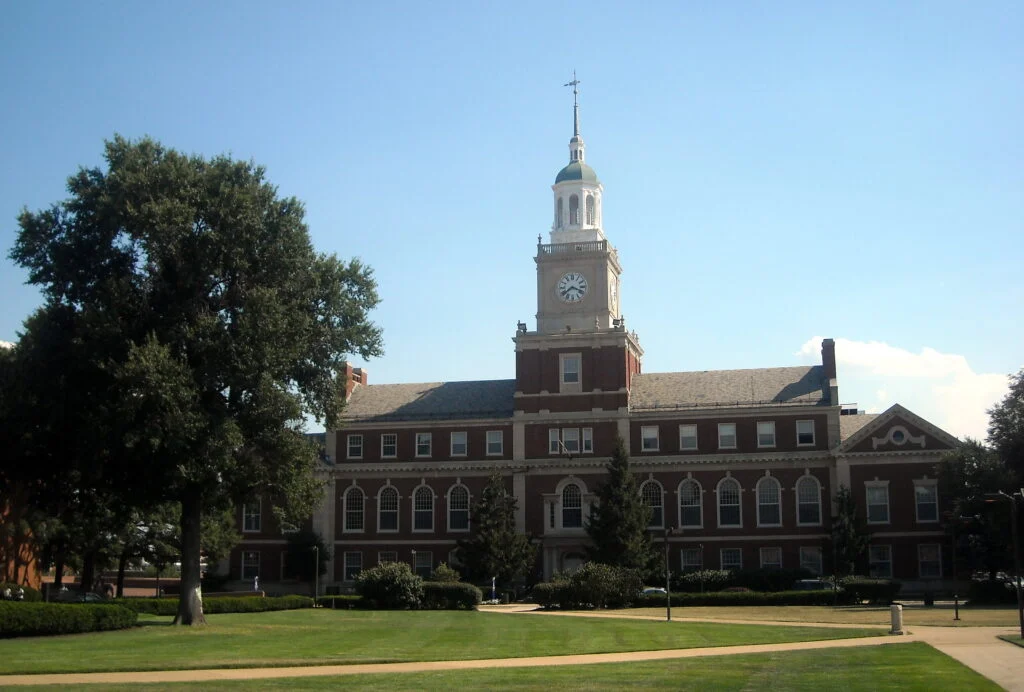
Upon approaching the Howard University Museum and Moorland-Spingarn Research Center, visitors find themselves within the university’s vibrant campus, an academic environment that imbues the experience with a scholarly and community-oriented atmosphere. The museum itself is housed within a stately building that, while modest in scale compared to larger metropolitan museums, projects a sense of dignity and purpose reflective of the institution’s legacy. The entrance offers clear signage directing visitors toward the museum’s galleries and research facilities, signaling its dual function as both a public cultural venue and an academic resource.
The surroundings are marked by the urban collegiate setting, with historic university buildings nearby and green spaces that provide a tranquil backdrop. The entrance lobby welcomes visitors with a combination of informational displays and staff available to assist with navigation and inquiries. Orientation materials such as brochures and exhibition guides are readily available, facilitating an informed exploration of the museum’s offerings. The immediacy upon arrival is one of accessibility and invites engagement, whether one’s visit is driven by casual interest, scholarly research, or artistic appreciation.
Highlights and Key Exhibitions
The Howard University Museum features a thoughtful selection of exhibitions focusing predominantly on African American art and cultural heritage. Visitors can expect to encounter works by prominent African American artists, both historical and contemporary, alongside pieces that illuminate everyday life, resistance, and cultural expression within African American communities. The museum's collection includes paintings, sculptures, and mixed-media works that explore themes ranging from identity and social justice to spirituality and community.
Of particular note is the museum’s emphasis on artists connected to Howard University and its surrounding communities, which fosters a unique regional perspective while simultaneously engaging with broader national and international dialogues in African American art. The displays often include informative labels and contextual materials that enrich the viewer’s understanding of both the artworks and the historical circumstances from which they emerge.
Adjacent to and intimately linked with the museum is the Moorland-Spingarn Research Center. While it operates primarily as a research library and archival institution, it also offers public-facing exhibitions that draw from its vast collections of rare books, manuscripts, photographs, and ephemera. These exhibitions delve deeply into African American history, literature, politics, and social movements. The center’s holdings are unparalleled in their breadth, encompassing materials pertaining to African American leaders, civil rights activists, writers, and artists—providing a resource of immense scholarly value that simultaneously educates the wider public.
Visitor Experience
The visitor experience at the Howard University Museum and Moorland-Spingarn Research Center balances educational rigor with approachable presentation. The museum’s layout is compact but intelligently designed to encourage thoughtful reflection and engagement with the works and artifacts on display. Staff members are knowledgeable, courteous, and attentive, assisting visitors in interpreting the collection and navigating additional resources. While the overall atmosphere is serene and contemplative, the museum maintains an energy fueled by the powerful narratives conveyed through its exhibitions.
For those interested in research, the Moorland-Spingarn Center provides a resource-rich environment staffed by archivists who facilitate access to one of the world’s foremost collections of African American papers and artifacts. Its reading rooms and study areas are well maintained, fostering an atmosphere conducive to academic inquiry.
However, the dual nature of these institutions—museum and research center—means that some visitors might find the experience slightly less oriented toward casual museum-going expectations, especially in spaces dedicated to archives and scholarship. Information on collections can sometimes skew toward specialized subjects, which can be both a strength and a potential limitation depending on visitor background and interest.
Tickets, Access, and Planning
Access to the Howard University Museum is generally free, reflecting the university’s mission to promote education and community engagement without financial barriers. However, visitors are advised to check the official website or contact the institution directly for any updates regarding special exhibitions, public hours, or appointment requirements due to ongoing institutional policies or public health considerations.
The museum and research center are located within the Howard University campus in Northwest Washington, D.C., easily accessible by public transportation. The proximity to a Metro station and bus lines makes it convenient for both local residents and visitors to the city. Additionally, parking is limited on campus, and visitors are encouraged to plan their transportation accordingly.
The facilities accommodate visitors with disabilities, with wheelchair access and other necessary accommodations provided to ensure inclusive access to exhibitions and research materials. While the museum does not offer a café on-site, several dining options within the university and surrounding neighborhoods provide opportunities for visitors to extend their visit comfortably.
Prior to visiting, individuals interested in archival research at the Moorland-Spingarn Center should arrange appointments and inquire about specific materials to optimize their time and access. The museum’s public programming and events, such as lectures and panel discussions, are occasionally available and can offer enriching complementarities to the exhibitions.
Final Verdict
The Howard University Museum and Moorland-Spingarn Research Center constitute an invaluable cultural and academic hub within Washington, D.C., notable for their dedication to preserving and promoting African American history, arts, and scholarship. Their symbiotic relationship bridges the divide between public cultural presentation and rigorous academic research, creating a complex but rewarding visitor experience that demands thoughtful engagement.
The museum’s curated exhibitions effectively highlight artistic achievements and narratives often marginalized in mainstream institutions, fostering a nuanced appreciation of African American contributions to the arts and society. Meanwhile, the Moorland-Spingarn Research Center’s unparalleled archival collections serve as a critical resource for scholars worldwide, ensuring that vital histories are accessible and preserved.
While the dual-functionality of these institutions may present challenges for some visitors seeking a traditional museum experience, the overall quality and significance of the Howard University Museum and Moorland-Spingarn Research Center are unmistakable. Free admission and an accessible urban location further enhance their appeal. For those with interests in African American culture, history, and art—whether casual or scholarly—these institutions merit recognition as essential stops that offer profound insight into a rich cultural legacy.