Designmuseum Danmark Review
Design Museums · Copenhagen, Denmark. Designmuseum Danmark, located in the heart of Copenhagen, stands as a prominent institution dedicated to the exploration and celebration of Danish and international design heritage. Established in the early 20th century, the museum evolved…
Design Museums · Copenhagen, Denmark. Designmuseum Danmark, located in the heart of Copenhagen, stands as a prominent institution dedicated to the exploration and celebration of Danish and international design heritage. Established in the early 20th century, the museum evolved…
Best forScience, technology, hands-on learning
Review focusDesign collections, creative context, and visitor planning
Historical Context
Designmuseum Danmark, located in the heart of Copenhagen, stands as a prominent institution dedicated to the exploration and celebration of Danish and international design heritage. Established in the early 20th century, the museum evolved from a modest collection into a comprehensive archive that showcases the evolution of design across multiple disciplines, including industrial, graphic, furniture, and fashion design. Denmark’s rich tradition of craftsmanship and innovation is reflected vividly throughout the museum’s offerings, highlighting the country’s influential role in the global design narrative. Located in a historic neoclassical building, the institution is emblematic of the intersection between tradition and modernity, providing fertile ground for reflecting on design’s impact on everyday life as well as its cultural and societal significance. Over the decades, Designmuseum Danmark has increasingly focused on exploring not only historical artifacts but contemporary design trends and ideas, reinforcing its position as a dynamic cultural hub.
What You See on Arrival
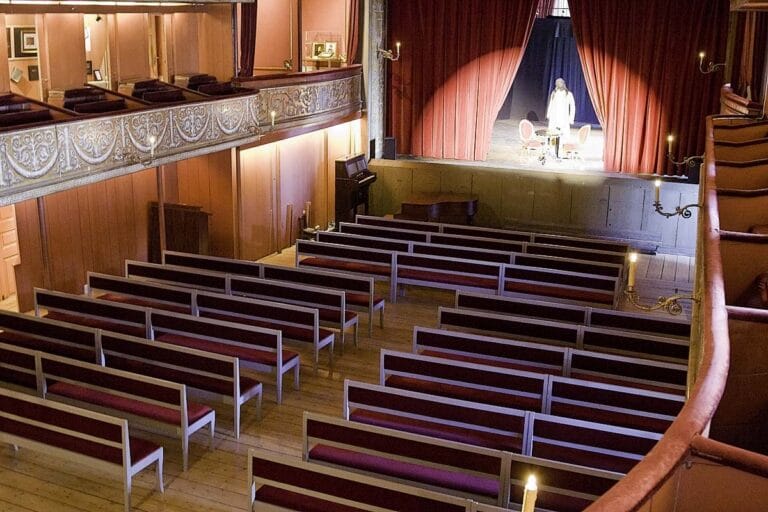
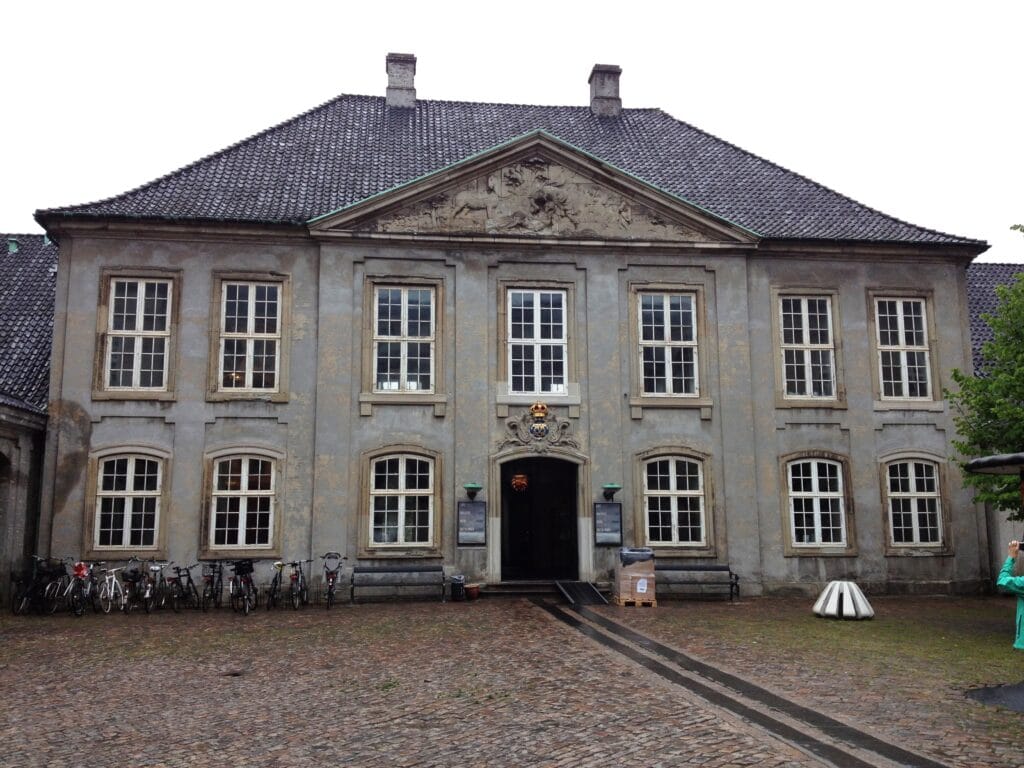
Approaching Designmuseum Danmark, visitors are greeted by the building’s elegant façade, nestled close to the picturesque canals of Copenhagen. The structure, originally a Tivoli Concert Hall, is characterized by its stately columns and balanced proportions, a testament to early 20th-century architecture that contrasts intriguingly with the modernity of the exhibits inside. The entrance area is spacious and welcoming, offering a glimpse of the museum’s commitment to clean, functional design from the outset. Large windows flood the lobby with natural light, enhancing the sense of openness. Visitors are immediately struck by the thoughtful blend of historical ambiance and contemporary flair, signaling the museum’s dual focus on heritage and innovation. The generous use of wood and muted tones throughout the common areas reflects the Scandinavian design aesthetic—unpretentious, warm, and purposeful. Upon entering, guest services including ticket counters and information desks are prominently placed yet unobtrusive, aiding smooth visitor flow.
Highlights and Key Exhibitions
Designmuseum Danmark offers an extensive collection that highlights the breadth and depth of Danish design, while situating it within an international context. One of the museum’s most compelling strengths lies in its collection of furniture design, featuring works by celebrated Danish designers such as Hans J. Wegner, Arne Jacobsen, and Børge Mogensen. Visitors can experience renowned classic pieces firsthand, underscoring Denmark’s pivotal role in the mid-century modern movement. The museum’s exhibits often explore the design process itself, tracing sketches and prototypes alongside finished items to emphasize the craftsmanship and innovation involved. The ceramics, glass, and textile collections highlight the integration of form and function in everyday objects, illustrating how design spans utilitarian and artistic realms. Graphic and industrial design displays offer insight into the evolution of branding, typography, and product design, reflecting wider cultural and technological trends. The museum occasionally presents thematic displays that connect historical influences with contemporary challenges, such as sustainability and digital innovation, though these are carefully curated to complement rather than overshadow the permanent collection.
Visitor Experience
Designmuseum Danmark provides a thoughtfully crafted visitor experience that combines educational content, aesthetic enjoyment, and interactive elements. The exhibition layout is clear and intuitive, guiding visitors through chronological and thematic galleries without overwhelming them. The museum makes effective use of lighting and spatial design to create contemplative atmosphere zones where visitors can appreciate individual pieces without distraction. Multilingual labels and digital guides enhance accessibility for international visitors, offering deeper context without being intrusive. Seating areas are strategically placed throughout the museum, allowing visitors to pause and reflect or plan their route. The inclusion of tactile displays and occasional hands-on workshops further broadens engagement for diverse audiences. Onsite amenities, including a well-curated museum shop and a cafe offering light refreshments, prolong the visit comfortably. Staff members are noted for their professionalism and readiness to assist. While peak times may see a busier atmosphere, the museum’s spaciousness generally accommodates visitors without significant congestion, contributing to an enjoyable pace and ambiance.
Tickets, Access, and Planning
Planning a visit to Designmuseum Danmark is straightforward, with comprehensive information available via the museum’s official website. Ticket prices are reasonable and competitively positioned considering the quality and scope of the collections. Various ticket options include standard admission, concessions for students and seniors, and group rates. Children under a certain age are admitted free, emphasizing the museum’s family-friendly orientation. There are also opportunities for combined tickets with other Copenhagen cultural attractions, appealing to tourists looking to maximize their itinerary. The museum is well-served by public transport, with nearby bus and train stops, and is within easy walking distance from Copenhagen’s central hubs and many hotels. Bicycle parking is available, reinforcing the city’s sustainable transport ethos. Accessibility is a priority, with ramps, elevators, and adapted restrooms ensuring that visitors with mobility challenges can navigate the museum comfortably. Visitors are encouraged to check current opening hours before arrival, as these can vary seasonally or due to special events.
Final Verdict
Designmuseum Danmark represents an essential destination for anyone with an interest in design, Scandinavia, or cultural history. It successfully balances the preservation of Danish design heritage with an active engagement with contemporary issues, producing an experience that is both educational and inspiring. The museum’s strong emphasis on furniture design is particularly noteworthy, but its inclusive approach to a broad spectrum of design disciplines enriches the narrative it offers. While its setting in a classical building may initially suggest tradition, the museum’s approach is decidedly progressive, fostering dialogue between past, present, and future design principles. Although some visitors might expect more rotating exhibitions or interactive technology, the measured curation and high-quality permanent collection ensure that every visit is worthwhile. Accessibility, visitor amenities, and thoughtful spatial design collectively create a welcoming environment for all demographics. In sum, Designmuseum Danmark stands out as a top-tier design museum—not only for professionals and enthusiasts but also for general audiences seeking to understand the critical role of design in everyday life.