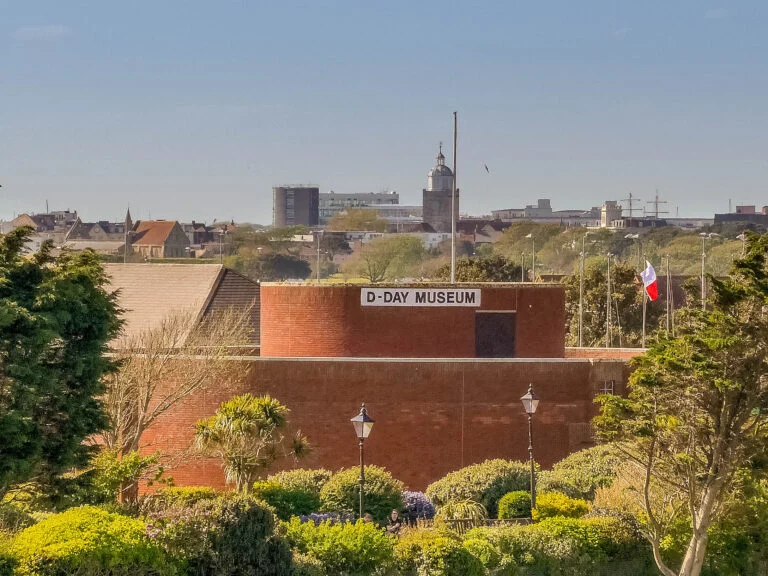
DDay Omaha Beach Review
The DDay Omaha Beach museum in Grandcamp-Maisy, France, occupies a unique and significant place in the commemoration of World War II’s.
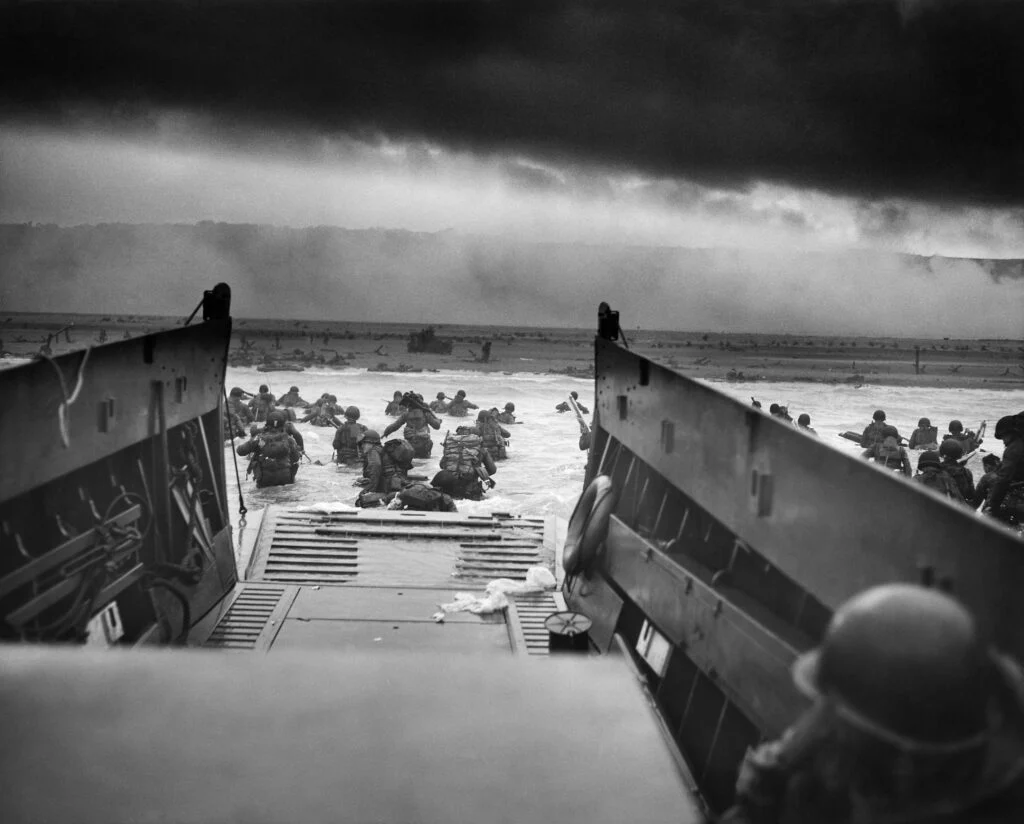
The DDay Omaha Beach museum in Grandcamp-Maisy, France, occupies a unique and significant place in the commemoration of World War II’s.
Best forScience, technology, hands-on learning
Review focusMilitary collections, historic context, and visitor planning
Historical Context
The DDay Omaha Beach museum in Grandcamp-Maisy, France, occupies a unique and significant place in the commemoration of World War II’s pivotal events. Situated near Omaha Beach, one of the principal landing sites of the Allied invasion on June 6, 1944, the museum offers a comprehensive look at one of the most critical moments in 20th-century military history. The D-Day landings marked the beginning of the liberation of Nazi-occupied Western Europe, a turning point not only in the war but also in the shaping of post-war Europe. The museum's narrative is deeply rooted in this context, providing visitors a detailed exploration beyond the commonly celebrated heroics. It delves into strategic, tactical, and human elements that defined the Omaha Beach operation, encompassing the preparations, execution, and aftermath of the landings. By focusing on local terrain and the broader war context, the museum fosters a deeper understanding of the scale and complexity of the invasion and its enduring legacy.
What You See on Arrival
The approach to the DDay Omaha Beach museum immediately sets a tone of solemnity and reflection. The building itself is modest and understated, integrating seamlessly into the surrounding Normandy landscape, thus avoiding the spectacle that can sometimes detract from the historical gravity of such sites. The entrance area offers views toward the beach and cliffs, evoking the natural environment faced by the soldiers during the invasion. Upon entry, visitors encounter carefully curated displays and a timeline that situates Omaha Beach within the broader Allied invasion plan, assisting in comprehension from the outset. The museum layout is straightforward and accessible, encouraging a sequential journey through the events of June 6, 1944, and the days that followed. Early exhibits include maps, photographs, and personal accounts, inviting visitors to immerse themselves in authentic wartime experiences without overwhelming them.
Highlights and Key Exhibitions
Among the most compelling elements inside the DDay Omaha Beach museum are its detailed dioramas and well-preserved artifacts recovered from the battle site. The museum excels at bridging the gap between high-level strategic overviews and intimate soldier experiences. One standout exhibition features original wartime equipment alongside personal items, such as uniform fragments, letters, and photographs, emphasizing the human side of the conflict. Another remarkable highlight is the section dedicated to the engineering feats accomplished under wartime pressure, including the construction of artificial harbors and overcoming formidable coastal defenses.
The audiovisual presentations are thoughtfully executed, combining archival footage with narrated testimonies from veterans and historians alike. These immersive elements enrich visitors' understanding without resorting to sensationalism. The museum also pays significant attention to the German defensive preparations, offering a balanced perspective that acknowledges the complexity of the battlefield. Maps and interactive displays allow for an in-depth examination of troop movements and key tactical decisions. The conservation of this historical information is meticulous, making it an invaluable resource for both casual visitors and those seeking deeper study.
Visitor Experience
Visiting the DDay Omaha Beach museum promises a contemplative and educational experience rather than one of entertainment. The atmosphere is one of quiet respect, reflected in the subdued color palette and minimalistic design of exhibition spaces. The information is presented in clear, concise language and supplemented with bilingual signage, typically French and English, making the museum accessible to an international audience. The staff are known for their professionalism and helpfulness, ready to assist visitors seeking further information or guidance.
Despite the museum’s relatively compact size, the exhibits are thoughtfully spaced to avoid a sense of overcrowding. Seating areas and interactive kiosks encourage moments of pause and reflection. For those interested in deeper engagement, a well-stocked bookstore offers a selection of related historical texts and guides. The outdoor spaces adjoining the museum provide a tranquil setting for contemplation, with direct views of Omaha Beach serving as a poignant reminder of the events described inside. However, some visitors might find the museum’s somber tone less engaging if seeking a more dynamic or multimedia-heavy experience.
Tickets, Access, and Planning
The DDay Omaha Beach museum is generally straightforward to plan a visit to, with an official website that provides essential information on opening hours and ticket availability. The admission fee is modest, reflecting the museum’s focus on education and remembrance rather than commercial gain. Discounts are typically available for students, seniors, and groups, making it an affordable and accessible destination for families, history enthusiasts, and scholars alike.
Access to the museum is facilitated by local transport links, though private car travel remains the most convenient due to the rural setting. Parking facilities adjacent to the building are sufficient, and pathways are designed to accommodate visitors with mobility challenges. The museum places emphasis on inclusivity with wheelchair access and aids for visually impaired visitors.
For those planning their visit, it is advisable to allocate at least two hours to fully appreciate the exhibitions and the surrounding environment. Seasonal variations can affect opening times, so checking the website ahead of the visit is recommended. Given its proximity to other D-Day sites and memorials in Normandy, the museum serves well as either a standalone stop or part of a broader historical itinerary.
Final Verdict
The DDay Omaha Beach museum in Grandcamp-Maisy stands as a dignified and meticulously curated institution dedicated to preserving and presenting the history of one of the most significant military operations of World War II. Its measured approach to storytelling, combining strategic analysis with personal narratives, ensures both depth and accessibility. While it may not offer the spectacle or technological innovation found in larger museums, it compensates through a thoughtful balance of artifacts, documentation, and atmosphere.
This museum is particularly well-suited for visitors seeking a respectful, in-depth understanding of Omaha Beach and the D-Day landings in general. Its location near the actual landing site lends an emotional resonance that enhances the visitor’s connection to history. Although the experience is best appreciated by those with a genuine interest in military history, the museum's bilingual presentation and clear interpretative materials make it welcoming for a broad audience.
In summary, the DDay Omaha Beach museum is a commendable visit for anyone traveling to the Normandy coast with an interest in the Second World War. It offers a profound educational experience rooted in authenticity and reverence, ensuring that the sacrifices and strategic complexities of the battle continue to be remembered and understood by future generations.