Choristers’ Hall Medieval Museum Review
Cultural Heritage Museums · Waterford, Ireland. The Choristers’ Hall Medieval Museum in Waterford, Ireland, offers a unique window into the rich medieval history of one of the country’s oldest cities. Waterford itself was founded by Vikings in the 9th century…

Cultural Heritage Museums · Waterford, Ireland. The Choristers’ Hall Medieval Museum in Waterford, Ireland, offers a unique window into the rich medieval history of one of the country’s oldest cities. Waterford itself was founded by Vikings in the 9th century…
Best forScience, technology, hands-on learning
Review focusCollections, visitor experience, and practical planning
Historical Context
The Choristers’ Hall Medieval Museum in Waterford, Ireland, offers a unique window into the rich medieval history of one of the country’s oldest cities. Waterford itself was founded by Vikings in the 9th century and became an important hub in medieval Ireland. The museum is housed within the Choristers’ Hall, a critical structure in Waterford’s historic core dating back to the 13th century. Originally serving as a meeting place for the choir of Christ Church Cathedral, the hall was later repurposed through the centuries to accommodate various civic functions. This building stands as one of Ireland’s oldest surviving medieval civic halls, embedding the visit within an authentic historical environment. The museum’s exhibitions focus on Waterford’s development during the Middle Ages, highlighting its role in trade, religion, and local governance. By situating its collections within a genuine medieval setting, the Choristers' Hall Medieval Museum provides visitors an immersive experience that tightly links the physical site with the narrative of Ireland’s medieval period.
What You See on Arrival
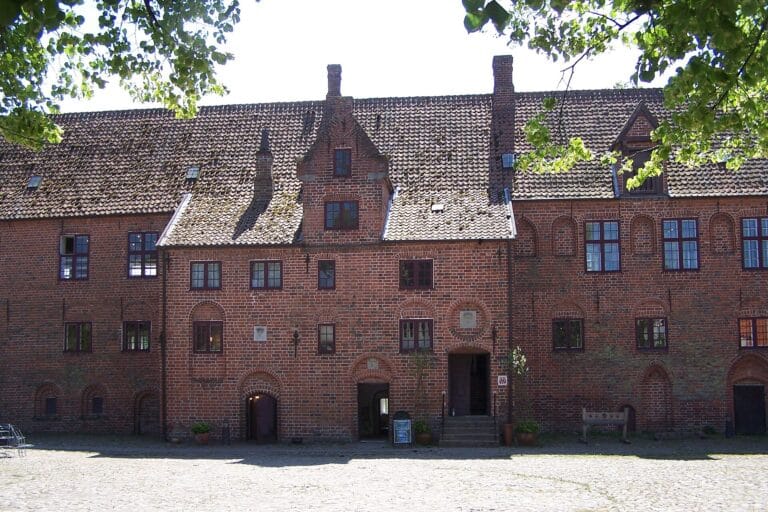
Upon arrival at the Choristers’ Hall Medieval Museum, visitors are immediately struck by the medieval architecture of the building itself. The stone façade articulates the ancient origins of the site, and the entrance through a modest doorway offers a subtle contrast to the rich history inside. Inside the hall, the interior retains much of its original character, including massive timber beams, stone vaulted ceilings, and richly crafted woodwork that once echoed with the voices of the cathedral’s choir. The reception area is concise and unobtrusive, focusing attention on the historical ambiance rather than modern additions. Visitors are greeted with introductory panels explaining the building’s lineage and its importance to Waterford’s civic and ecclesiastical history. The lighting is carefully balanced to accentuate architectural features without detracting from the displays, instilling a sense of stepping back in time. The compact scale of the museum offers a concentrated viewing experience, setting a contemplative tone before moving deeper into the exhibitions.
Highlights and Key Exhibitions
The museum’s core strength lies in its collections of medieval artifacts, maps, and documents that illuminate Waterford’s robust past. One of the standout displays includes a selection of exquisite medieval pottery and weaponry uncovered during local archaeological digs, offering tangible connections to daily life and conflict during the period. The curated manuscripts and copies of charters reveal the city’s governance and ecclesiastical ties, emphasizing Waterford’s role as a vital trading port allied with both English and continental interests. There is a particular focus on the interaction between Viking settlers and Norman invaders, narrated through both artifacts and interpretive signage. A key highlight is the exhibit devoted to the medieval guilds, with detailed explanations of their economic and social functions. Additionally, intricate tax records and trade accounts provide insight into the economic stature of medieval Waterford. The museum’s use of replicas and interactive panels, while limited, helps contextualize the artifacts without overwhelming the historic setting. Alongside these curated exhibits, the museum preserves architectural features such as the original Gothic arches and stained glass fragments, deepening the sense of authenticity.
Visitor Experience
The Choristers’ Hall Medieval Museum fosters an intimate and thoughtful visitor experience. The relatively small scale of the site allows for a focused and unhurried exploration, giving space for reflection on the historical narrative. Clear and concise interpretation panels accompany most exhibits, employing a scholarly but accessible tone that caters equally to general visitors and history enthusiasts. The museum strikes a balance between informative content and visual appeal, avoiding clutter or overly commercial elements. Staff, where present, are knowledgeable and able to assist with inquiries about Waterford’s medieval past and related heritage sites. However, the museum’s limited size means that visitors seeking a broader or more interactive experience might find the offerings somewhat restrained. Unlike larger institutions, this museum does not incorporate immersive multimedia installations or extensive guided tours, favoring instead a traditional approach that relies on the power of its authentic surroundings and carefully curated objects. For those with a strong interest in medieval civic and religious history, the experience will be rewarding; others might prefer to combine their visit with other cultural attractions in Waterford.
Tickets, Access, and Planning
Ticketing for the Choristers’ Hall Medieval Museum is straightforward with modest admission prices designed to promote broad access. Discounts for students, seniors, and families ensure affordability while supporting local heritage conservation. Visitors are advised to check the official website for any changes in opening hours or ticketing policies, especially during holiday seasons or special events. The museum is situated within Waterford’s city centre, making it accessible by foot from major transport hubs, including the train and bus stations. Parking options in the vicinity are limited but supplemented by nearby public parking facilities. Accessibility for visitors with mobility challenges is somewhat restricted due to the historic nature of the building, with narrow doorways and uneven floors that can present difficulties, although staff are generally helpful in accommodating specific needs. The compact layout means the museum is best suited to visits lasting one to two hours, allowing time for a thorough but manageable exploration. It is advisable to allocate time for related attractions within the Waterford Treasures complex for a more comprehensive understanding of the city’s heritage.
Final Verdict
The Choristers’ Hall Medieval Museum stands out as a gem for those interested in the medieval history of Ireland, particularly the civic and ecclesiastical dimensions of a key trading city like Waterford. Its strength lies in the authentic use of a centuries-old building, offering visitors a direct encounter with medieval architecture and atmosphere that few other museums in Ireland can replicate. The collection, while not extensive, is highly focused and thoughtfully curated, providing valuable insights into everyday life, governance, and commerce during the Middle Ages. The museum’s restrained approach to interpretation respects the historical integrity of the site but may leave visitors expecting multimedia engagement or interactive elements wanting more. Despite slight limitations in accessibility and scale, it remains an essential stop for cultural tourists exploring Waterford’s medieval roots. Those with an interest in history, archaeology, and heritage will appreciate the depth of information and the evocative environment. Planning a visit to combine this museum with other Waterford Treasures attractions enriches the overall appreciation of the city’s layered past. Ultimately, the Choristers’ Hall Medieval Museum delivers a compelling blend of architecture, artifacts, and narrative that firmly anchors the visitor in medieval Ireland’s vibrant historical tapestry.