Buchenwald Memorial Review
Memorial Museums · Weimar, Germany. The Buchenwald Memorial, located near Weimar, Germany, stands as a solemn testament to one of the darkest chapters in human history. Established on the grounds of the Buchenwald concentration camp, which operated from 1937…

Memorial Museums · Weimar, Germany. The Buchenwald Memorial, located near Weimar, Germany, stands as a solemn testament to one of the darkest chapters in human history. Established on the grounds of the Buchenwald concentration camp, which operated from 1937…
Best forMasterpieces, architecture, cultural history
Review focusCollection highlights, building, visitor flow
Historical Context
The Buchenwald Memorial, located near Weimar, Germany, stands as a solemn testament to one of the darkest chapters in human history. Established on the grounds of the Buchenwald concentration camp, which operated from 1937 to 1945, the site serves both as a place of remembrance and education. It commemorates the thousands of prisoners who suffered and perished under Nazi oppression, including political detainees, Jews, Roma, and other marginalized groups. Following World War II, the camp was repurposed for a period by Soviet authorities but ultimately transformed into a memorial site. Today, it functions as a poignant reminder of the consequences of tyranny, discrimination, and unchecked power. The memorial aims to preserve the memory of its victims while fostering reflection on human rights and the responsibilities of individuals and societies to prevent such atrocities in the future. Its role is not only commemorative but deeply educational, addressing visitors with unvarnished truths about history.
What You See on Arrival
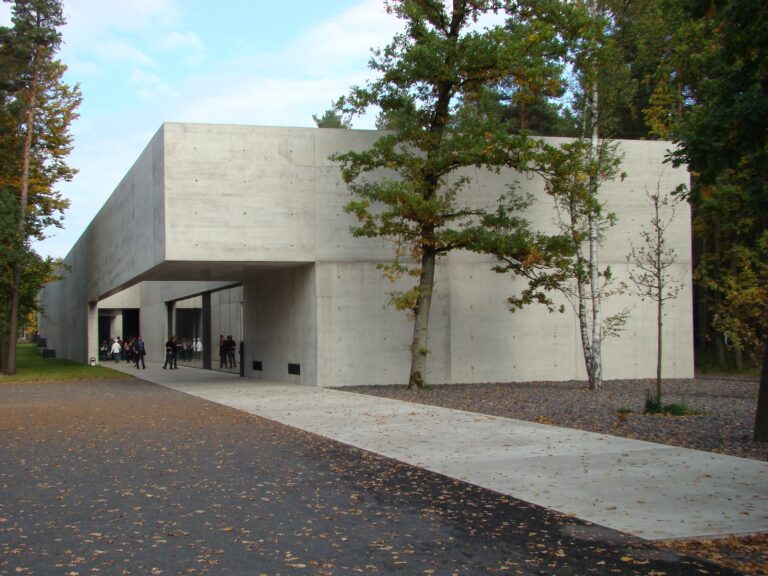
When approaching the Buchenwald Memorial, visitors are met with the distinctive, imposing architecture of the former camp entrance. The famous gate bearing the phrase “Jedem das Seine” (“To each his own”) immediately confronts visitors with a chilling reminder of the camp’s oppressive past. The original structures, while partially preserved, coexist with newer elements designed to facilitate the memorial’s educational mission. Visitors will notice a mixture of restored barracks, administrative buildings, and remnants of watchtowers and fences, all arranged within the expansive grounds. The overall atmosphere is one of sobriety and reflection. The landscape around the camp, with its wooded surroundings, contrasts subtly with the regimented, harsh lines of the camp’s layout, offering a somber visual introduction to what unfolded here. Informational signage at entry points begins to provide context before one ventures deeper into the grounds.
Highlights and Key Exhibitions
The Buchenwald Memorial offers a variety of exhibitions and key sites that reveal the breadth and depth of life and death at the camp. Central to the experience is the permanent exhibition, which chronicles the history of Buchenwald from its establishment to liberation. It draws on numerous sources including photographs, personal testimonies, official documents, and artifacts recovered from the site. One of the most harrowing sections is dedicated to the prisoners themselves, detailing the diversity of individuals imprisoned there and the brutal treatment they endured, from forced labor to medical experiments. The site also preserves the crematorium and the camp’s underground tunnels, which provide stark physical evidence of the horrors committed. Memorial sculptures and monuments scattered throughout the grounds pay tribute to various victim groups and highlight resistance movements within and outside the camp. The exhibition does not shy away from the complexities of the post-war period in the camp’s history, including its use under Soviet control, thus presenting a nuanced portrayal of its legacy.
Visitor Experience
The visitor experience at the Buchenwald Memorial is thoughtfully curated to encourage quiet contemplation and deeper understanding. The memorial is arranged in a way that allows both guided tours and self-directed exploration. For those seeking a more structured visit, expert-led tours provide detailed historical context and nuanced narratives, often enriching the emotional resonance of the visit. Informational panels are multilingual and designed to be accessible to a broad audience, though some sections assume a certain level of prior knowledge about World War II and the Holocaust. The memorial’s outdoor setting contributes to the reflective atmosphere, with ample space to wander thoughtfully through various points of interest. The absence of commercial distractions such as gift shops or cafes within the immediate memorial area underscores the site’s commitment to solemnity. Educational programs and resources are also available, aimed at school groups and researchers. Overall, the experience is powerful, deeply moving, and intellectually engaging.
Tickets, Access, and Planning
Admission to the Buchenwald Memorial is generally free, reflecting its mission to make history accessible to all and to promote remembrance without economic barriers. However, donations are encouraged to support ongoing preservation and educational efforts. The memorial is situated approximately 8 kilometers from the city center of Weimar, reachable by regional buses and taxi services. The site is open year-round, though opening hours may vary by season, so it is advisable to check the official website before planning a visit. Accessibility for visitors with mobility impairments has been addressed with various improvements, but due to the historic nature of some sections, certain areas may still present challenges. There are parking facilities for those arriving by car. Given the gravity of the site and the expansive grounds, visitors are encouraged to allocate several hours if they wish to explore comprehensively. Pre-booking guided tours is recommended, especially during peak tourist seasons. The official website serves as a vital resource for logistical information, including updates on special events and educational offerings.
Final Verdict
The Buchenwald Memorial is an essential destination for those seeking to engage honestly and profoundly with the history of the Holocaust and Nazi terror. Its dedication to preserving authentic physical evidence, combined with carefully curated exhibitions, creates a powerful environment for education and mourning. While the subject matter is inevitably heavy and at times distressing, the memorial’s careful presentation fosters respectful reflection rather than overwhelming visitors. Its integration of historical context, survivor testimonies, and nuanced post-war history distinguishes it from some other sites, offering a broader understanding of legacy and memory. Practical considerations around access and free admission make it an inclusive destination. The Buchenwald Memorial holds an important place not only in Germany’s cultural landscape but also in the global effort to remember and learn from history’s darkest moments. Although the experience requires emotional preparedness, it remains a profoundly impactful and intellectually rewarding site for scholars, students, and the general public alike.