Buchenwald Memorial
Memorial Museums · Weimar, Germany. The Buchenwald Memorial, located near Weimar, Germany, is a profoundly significant historical site and museum dedicated to preserving the memory of the Buchenwald concentration camp. Established to serve as a place of commemoration, education,…
Best forMasterpieces, architecture, cultural history
Setting / nearbyWeimar, Germany
Overview
The Buchenwald Memorial, located near Weimar, Germany, is a profoundly significant historical site and museum dedicated to preserving the memory of the Buchenwald concentration camp. Established to serve as a place of commemoration, education, and reflection, the memorial honors the victims of one of the largest and most notorious Nazi concentration camps. The site offers visitors a poignant and sobering experience through its extensive exhibition and preserved structures, providing insights into the experiences of prisoners and the horrors endured during the Holocaust. The Buchenwald Memorial plays a critical role in fostering understanding about the consequences of intolerance and totalitarianism, making it a vital place for historical education and remembrance.
Collection Highlights
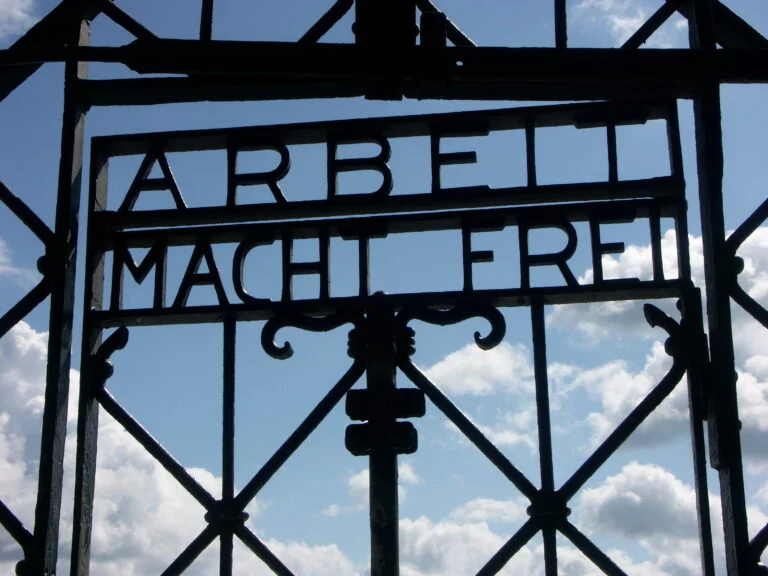
The museum's collection is centered on artifacts, documents, photographs, and testimonies that illuminate the life and suffering within Buchenwald concentration camp from its establishment in 1937 until its liberation in 1945. One of the most striking aspects of the collection is the preserved remains of the camp’s barracks, watchtowers, and the infamous gate inscribed with the chilling motto "Jedem das Seine" (To each his own). The exhibitions include personal belongings of prisoners, such as clothing and identification tags, as well as evidence of forced labor, medical experiments, and the camp’s internal resistance movements. Visitors will also find detailed information about the broader context of the Nazi regime’s policies and the systemic brutality that defined the camp system. The museum’s archival materials provide valuable documentation for scholars and descendants, preserving the memory of those who suffered and those who perished. The inclusion of survivor testimonies enriches the narrative, giving voice to individuals who endured extreme adversity.
Building and Setting
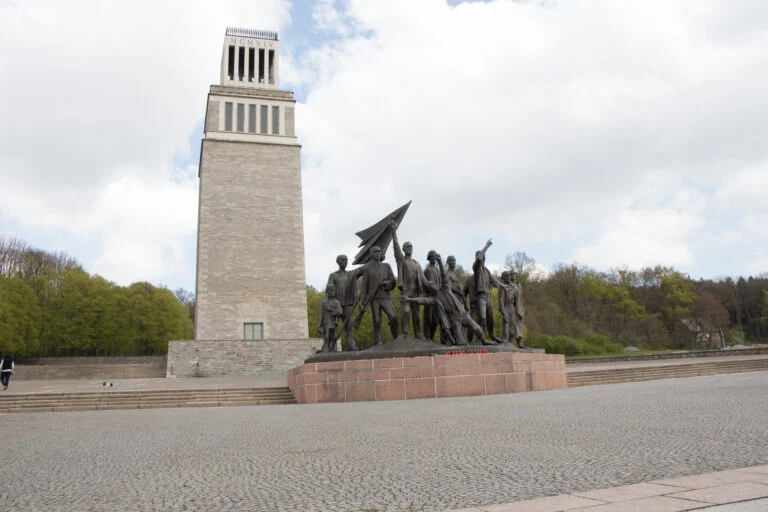
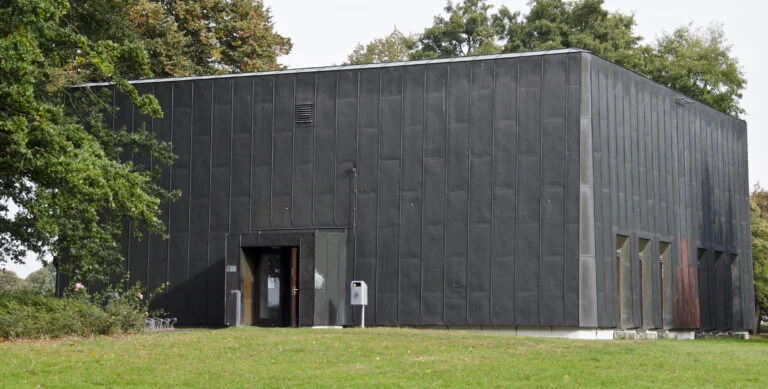
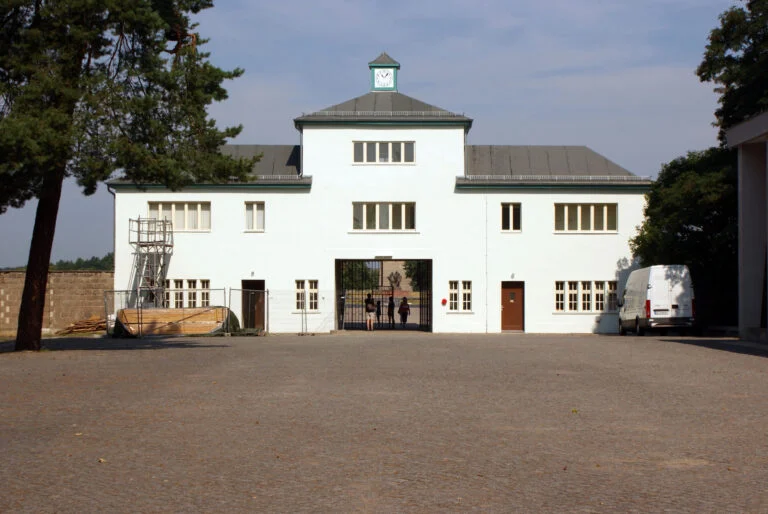
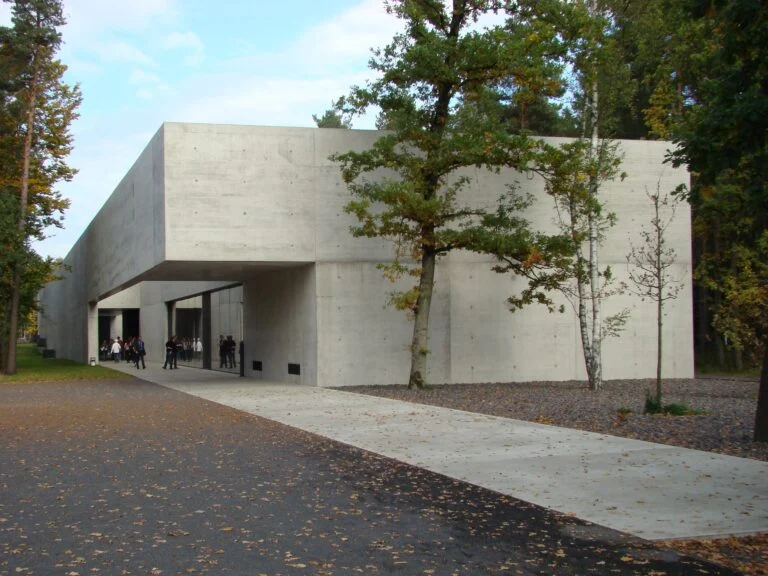
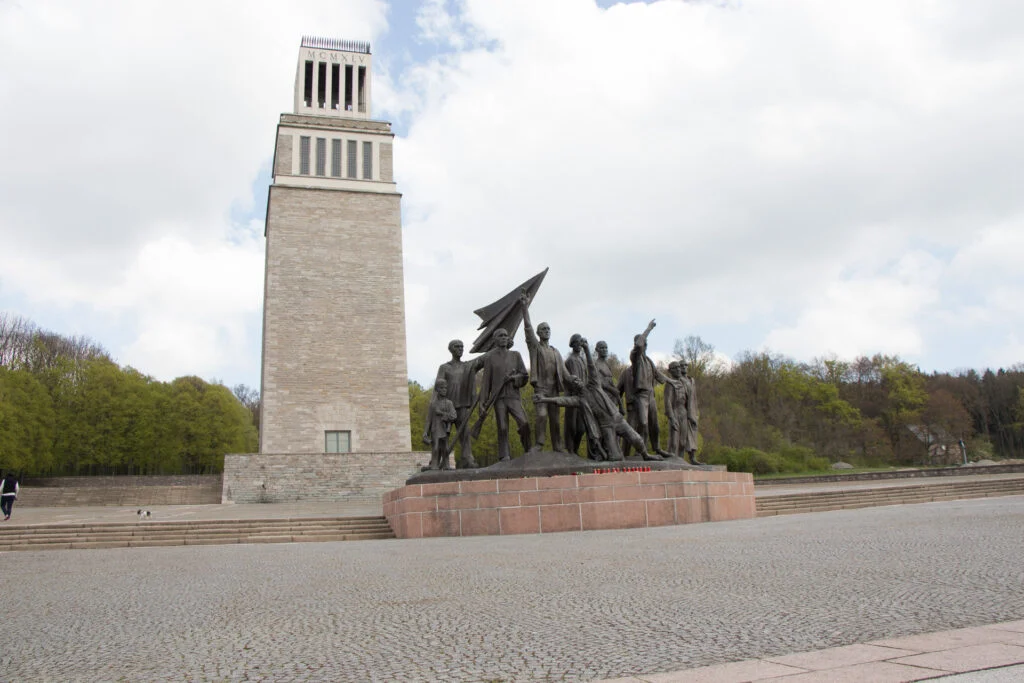
The Buchenwald Memorial is situated on the original camp site, which has been meticulously preserved and partially reconstructed to maintain the authenticity of the location. The grounds are vast, and visitors traverse through various sections that once constituted the camp, allowing a tangible connection to history. The architecture is stark and unadorned, reflecting the grim realities of the camp environment. Central to the memorial is the International Monument, a powerful sculpture symbolizing the unity and resistance of prisoners from various nations. The surrounding landscape, located on a hill overlooking the town of Weimar, provides a somber backdrop that encourages reflection. The layout of the site guides visitors through a chronological and thematic journey, from the initial establishment of the camp through its operational history, acts of resistance, and eventual liberation by Allied forces. The outdoor paths and exhibition spaces are thoughtfully integrated to balance historical preservation with respectful commemoration.
Practical Information
Visitors planning a trip to the Buchenwald Memorial should take note that it functions as a concentration camp memorial site museum, with facilities designed to support reflective learning and respectful observation. It is advisable to verify the latest visitor information including opening hours, guided tour availability, and ticketing details ahead of the visit, as these can vary seasonally or due to special events. The memorial is generally accessible to the public, and there may be options for educational programs and guided tours in various languages. Visitors should prepare for walking outdoors as much of the site is open-air; comfortable footwear is recommended. Photography is often permitted in outdoor areas, but visitors should be mindful of regulations around photographing sensitive installations or artifacts, always respecting the solemn nature of the site. Accessibility for individuals with limited mobility is supported to a degree, but checking specific facilities in advance can ensure a comfortable visit. The memorial may include a visitor center with additional resources such as a bookstore, information desk, and rest areas. For the most up-to-date information, visiting the official website is strongly suggested before arrival to make the most of this meaningful experience.
Why Visit
Visiting the Buchenwald Memorial is a profound journey into one of the darkest chapters of modern history. It offers not only a historical account of Nazi atrocities but also serves as a powerful reminder of resilience, human dignity, and the importance of remembering the past to inform the future. For those interested in history, human rights, and the ongoing struggle against oppression, this site provides an invaluable learning opportunity. The memorial fosters a deep understanding of the mechanisms of totalitarian systems and the consequences of hatred, with a focus on educating future generations to prevent the recurrence of such atrocities. Its comprehensive exhibitions and preserved environment create an immersive experience that is both emotionally engaging and intellectually enriching. The site’s connection to the nearby cultural city of Weimar, itself renowned for significant contributions to German history and culture, adds another layer to the visit, linking historical memory with broader cultural reflection. In essence, the Buchenwald Memorial is not only a site of mourning but also a beacon of hope, education, and commitment to human rights and democracy.