Apartheid Museum Review
History Museums · Johannesburg, South Africa. The Apartheid Museum, located in Johannesburg, South Africa, stands as a powerful testament to a pivotal and deeply troubling chapter in the nation's history. Established to document and interpret the apartheid era, which spanned…
History Museums · Johannesburg, South Africa. The Apartheid Museum, located in Johannesburg, South Africa, stands as a powerful testament to a pivotal and deeply troubling chapter in the nation's history. Established to document and interpret the apartheid era, which spanned…
Best forMasterpieces, architecture, cultural history
Review focusCollection highlights, building, visitor flow
Historical Context
The Apartheid Museum, located in Johannesburg, South Africa, stands as a powerful testament to a pivotal and deeply troubling chapter in the nation's history. Established to document and interpret the apartheid era, which spanned from 1948 to 1994, the museum offers a profound exploration of the institutionalized racial segregation and discrimination that shaped South African society for nearly half a century. This period saw the enforced separation of people based on race, with significant political, social, and economic consequences for the non-white majority population. The museum presents a chronological narrative beginning before apartheid’s official inception, tracing the roots of racial discrimination and resistance, and following through to the eventual dismantling of the regime and the nation’s ongoing journey toward reconciliation and democracy. As such, it serves not only as an educational resource but also as a place of reflection, remembrance, and dialogue. The Apartheid Museum’s role in keeping the memory of this period alive is central to understanding South Africa’s past and the ongoing challenges of equality and human rights worldwide.
What You See on Arrival
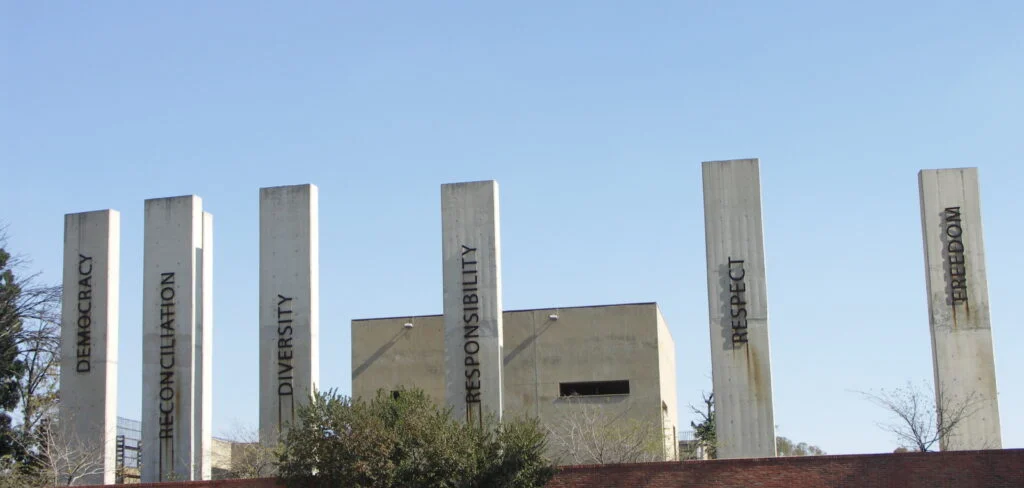
Upon approaching the Apartheid Museum, visitors are immediately confronted with a striking, industrial-style façade that sets a somber and reflective tone. The museum’s architectural design itself is symbolic, featuring rusted steel plates, raw concrete, and imposing gates that evoke a sense of exclusion and division reminiscent of the apartheid era’s oppressive policies. Large banners with evocative images and powerful quotations from figures such as Nelson Mandela and Desmond Tutu frame the entrance, preparing visitors for the emotional and intellectual journey ahead. The entrance courtyard often contains sculpture installations and text panels that frame the context of apartheid, drawing visitors into contemplation even before entering the galleries. The physical layout is designed to be immersive, with distinct spaces that encourage a chronological exploration of the history, punctuated by tactile and visual stimuli that underscore the harsh realities faced by millions. The entrance experience sets the tone for the visit — both confronting and educative.
Highlights and Key Exhibitions
The Apartheid Museum’s collection is expansive and meticulously curated, featuring an array of photographic displays, documentary films, personal testimonies, and artifacts that collectively portray the social, political, and cultural dimensions of apartheid. One of the museum’s strengths lies in its ability to present multiple perspectives, including those of the oppressed black majority, the segregated communities, and the architects of apartheid policy.
Among the most impactful displays are the life-sized recreations of township streets, complete with shanties and dividing fences, which provide a visceral understanding of the segregated living conditions. Larger-than-life images and statistics about resistance movements and notable events, such as the Sharpeville Massacre and the Soweto Uprising, highlight the courage and resilience of activists.
Key exhibitions also delve into the complicated transition to democracy, featuring artifacts related to the negotiations that ended apartheid and the 1994 elections that marked a new era in South African history. Interactive elements, such as documentary footage and recorded interviews, enrich the narrative and provide emotional context. The museum also dedicates sections to issues related to racism, identity, and reconciliation, positioning the apartheid story within broader themes of human rights and social justice.
Visitor Experience
The visitor experience at the Apartheid Museum is one of deep engagement and reflection. The design encourages slow, thoughtful exploration rather than rapid passage. The clear chronological sequencing allows visitors to understand the historical progression and the cumulative impact of apartheid. The museum is intellectually stimulating, requiring visitors to grapple with uncomfortable truths, but it balances this with moments of hope and resilience, illustrating the widespread struggle for freedom and dignity.
Signage and information are offered in multiple languages, enabling accessibility for a diverse audience. Audio guides and multimedia presentations enhance understanding, though the museum’s layout sometimes challenges flow due to the layering of exhibits in enclosed spaces. Visitors may find some of the graphic images and descriptions emotionally challenging, which underscores the importance of the subject matter but may require preparation for younger or sensitive audiences. Seating areas and contemplative spaces are thoughtfully included, encouraging visitors to pause and absorb complex issues. Staff presence is generally helpful, offering additional context or guidance as needed.
Tickets, Access, and Planning
Planning a visit to the Apartheid Museum requires some logistical forethought. Tickets are reasonably priced, with concessions available for students, seniors, and South African residents, which reflects the museum’s commitment to accessibility and education. It is advisable to purchase tickets in advance, particularly during peak tourism seasons or South African public holidays, to avoid long queues.
The museum is situated just south of Johannesburg city center, making it accessible by car or taxi. Public transportation options are more limited, so arranging private transport is often recommended. Parking facilities are available on site. The museum is wheelchair accessible, with ramps, elevators, and restroom facilities designed to accommodate visitors with disabilities. However, some exhibit areas involve stairs or uneven surfaces, so visitors with mobility concerns should inquire in advance for specific accessibility support.
Opening hours are generally accommodating, allowing ample time for visitors to experience the museum fully, though it is advisable to allocate at least two to three hours for a comprehensive visit. Food and drink options on site are limited, so planning for refreshments beforehand or after the visit is sensible.
Final Verdict
The Apartheid Museum in Johannesburg stands as a compelling and essential cultural institution that offers a profound, well-researched exploration of one of the most significant and painful chapters in South African history. Its comprehensive approach, blending powerful visual storytelling with deeply documented historical insight, makes it a must-visit for anyone seeking to understand the complexities and legacies of apartheid. The museum’s architectural design and thoughtful curation create an immersive environment that challenges visitors intellectually and emotionally, fostering empathy and reflection.
While the emotional weight of the subject matter may be intense for some, this is balanced by the museum’s clear dedication to education and remembrance, as well as its hopeful portrayal of resilience and progress. Its accessibility and visitor services are commendable, though potential visitors should prepare for a sobering experience that demands time and attention. Overall, the Apartheid Museum is not merely a repository of history; it is a vital space for remembrance, learning, and dialogue. It encourages visitors to confront difficult truths about racism and injustice while inspiring reflection on the ongoing global struggle for human rights and equality.