Anne Frank House Review
House Museums · Amsterdam, Netherlands. The Anne Frank House in Amsterdam stands as a poignant and profoundly moving tribute to one of the most widely known victims of the Holocaust. The museum preserves the hiding place where Anne Frank,…
House Museums · Amsterdam, Netherlands. The Anne Frank House in Amsterdam stands as a poignant and profoundly moving tribute to one of the most widely known victims of the Holocaust. The museum preserves the hiding place where Anne Frank,…
Best forScience, technology, hands-on learning
Review focusExhibits, interpretation, visitor flow
Historical Context
The Anne Frank House in Amsterdam stands as a poignant and profoundly moving tribute to one of the most widely known victims of the Holocaust. The museum preserves the hiding place where Anne Frank, a Jewish teenager, and her family concealed themselves from Nazi persecution during World War II. Anne Frank’s diary, written during her time in hiding, has become a seminal work, offering an intimate and harrowing account of life under oppression. The house itself, located on the Prinsengracht canal, holds deep historical significance as the physical space where this narrative unfolded. Established as a museum in 1960, it serves both as a memorial and an educational centre, dedicated to promoting awareness of the consequences of discrimination and totalitarian regimes. The facility does not only focus on Anne’s personal story but also contextualizes the broader impact of the Holocaust, aiming to engage visitors in the ongoing dialogue about human rights and tolerance. The Anne Frank House continues to attract millions of visitors, underscoring the enduring importance of remembrance and education in confronting history’s darkest chapters.
What You See on Arrival
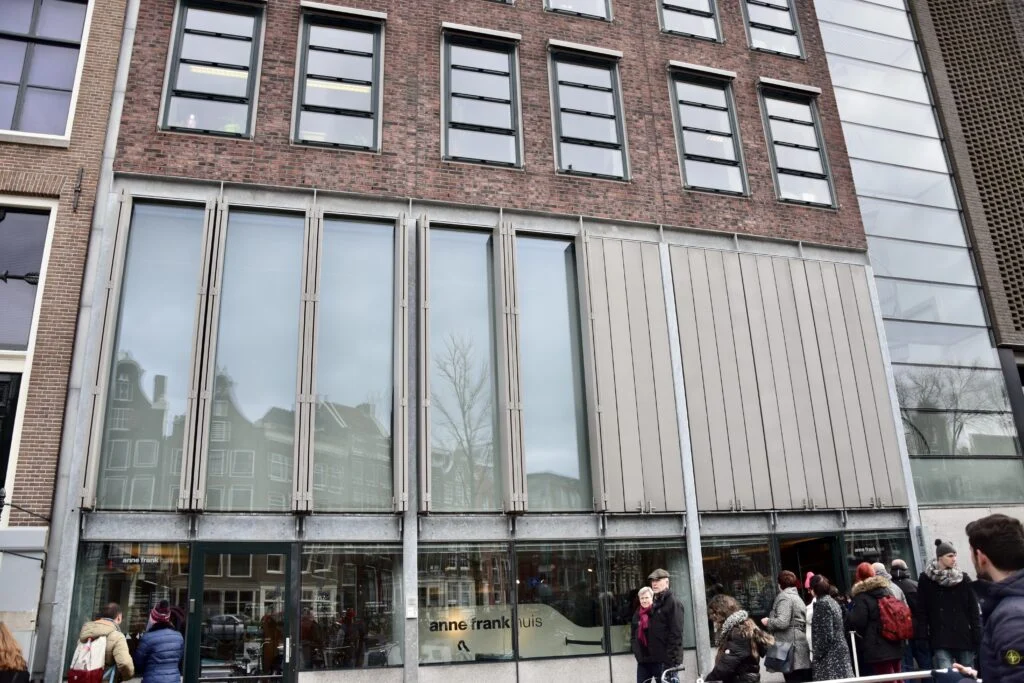
Upon arrival at the Anne Frank House, visitors are immediately greeted by a blend of solemnity and significance. The building’s exterior retains its 17th-century canal house architecture, modest and largely unassuming, which stands in marked contrast to the gravity of the history held within. The entrance area includes a ticket and visitor information desk, often bustling due to the museum’s worldwide popularity. Adjacent structures, including the warehouse and adjoining buildings, complete the site, contributing to the authenticity of the setting. Nearby, informational panels and subtle displays prepare guests for the reflective experience ahead. There is an understated atmosphere that combines an educational tone with reverence, setting the stage for an immersive walkthrough of the secret annex and its surroundings. The contextual environment preserves the café and historical street scenes of Amsterdam’s Jewish district, enhancing the sense of place and time. Every detail—from the cobblestones underfoot to the subtle lighting—works toward an evocative, respectful introduction to a profoundly personal story lodged within a public memory.
Highlights and Key Exhibitions
The museum’s primary draw is the Secret Annex itself, a hidden space accessed via a concealed door behind a movable bookcase. This confined area, preserved as it would have been during Anne Frank’s time in hiding, underscores the claustrophobic and tense conditions endured by its occupants. Personal belongings, photographs, and facsimiles of Anne’s diary pages are displayed to deepen the connection to her life and writings. One of the most powerful aspects of the Anne Frank House is the careful balance between preserving historical authenticity and providing interpretive materials that offer insight into the broader context of the Holocaust. The permanent exhibition covers the rise of Nazism, the conditions faced by the Jewish community in Amsterdam, and the subsequent persecution and deportations. Multimedia presentations, photographs, and personal testimonies broaden the narrative beyond the annex walls. The museum’s commitment to education is evident in its detailed timelines and biographical information, which help visitors understand the complex socio-political forces that shaped Anne Frank’s fate and that of millions of others during the war. Though the space is intimate and at times emotionally intense, these carefully curated exhibits allow a comprehensive understanding of both individual and collective histories.
Visitor Experience
The visitor experience at the Anne Frank House is thoughtfully designed to be both educational and deeply reflective. The museum encourages visitors to absorb the weight of the story, promoting empathy through engagement with Anne’s writings and the tangible surroundings that shaped her life. The atmosphere is deliberately restrained, avoiding sensationalism and instead fostering quiet contemplation. Guided tours, where available, provide additional layers of interpretive richness, offering historical context and answering visitor questions. The layout follows a chronological approach, beginning with the rise of Nazism and moving through to the annex and its aftermath. Despite the potentially somber nature of the visit, the museum’s use of multimedia and interactive features caters to a range of learning styles, making it accessible and impactful for diverse audiences. The museum also highlights the contemporary relevance of themes such as tolerance, human rights, and the dangers of discrimination. While the relatively narrow passageways and tight spaces can pose challenges for those with mobility concerns, these architectural features are integral to the authenticity of the experience. Staff are attentive and professional, contributing to a respectful environment where visitors can engage meaningfully with the material.
Tickets, Access, and Planning
Due to the Anne Frank House’s international significance and popularity, securing tickets in advance is highly recommended. The museum operates a timed entry system to manage the flow of visitors and preserve the integrity of the site. Tickets typically sell out weeks ahead, especially during peak tourist seasons and school holidays, which necessitates careful planning. The museum’s website provides comprehensive information on ticketing options, including reduced rates for students, seniors, and groups. Admission is free for children under a certain age, encouraging family visits and educational outreach. Accessibility is a key consideration, with some accommodations available for visitors with disabilities; however, the historic nature of the building imposes certain limitations, including the lack of elevators and narrow stairways. The museum offers resources and guidance for planning visits, including recommended lengths of stay and suggested routes through the exhibition. Additionally, nearby amenities such as cafés and bookshops enhance the overall experience. Its central location in Amsterdam makes it easily reachable by public transport, though parking in the area is limited, emphasizing the use of sustainable transit options to reduce the museum’s environmental footprint.
Final Verdict
The Anne Frank House remains a crucial cultural and historical institution that transcends its role as a simple museum. Its power lies in its ability to humanize the vast and often abstract horrors of the Holocaust through the personal lens of Anne Frank’s story. While the intimate scale and somber tone may not cater to all tastes, the depth of historical information and emotional resonance it delivers are unparalleled. The preservation of the secret annex, coupled with the extensive educational exhibits, creates a compelling narrative that invites reflection on past atrocities and a commitment to tolerance going forward. Practical considerations such as ticket demand and physical accessibility require prospective visitors to plan carefully, but these challenges are outweighed by the profound impact and authenticity of the experience. In a contemporary world grappling with issues of prejudice, migration, and authoritarianism, the Anne Frank House offers an indispensable reminder of the consequences of hatred and the enduring power of hope and human dignity.