Anne Frank House
House Museums · Amsterdam, Netherlands. The Anne Frank House in Amsterdam is a profoundly moving house museum dedicated to the life and legacy of Anne Frank, the young Jewish girl who gained worldwide recognition through the diary she wrote…
Best forScience, technology, hands-on learning
Setting / nearbyA canal in Amsterdam’s historic Jordaan district, adding to the evocative atmosphere of
Overview
The Anne Frank House in Amsterdam is a profoundly moving house museum dedicated to the life and legacy of Anne Frank, the young Jewish girl who gained worldwide recognition through the diary she wrote while hiding from Nazi persecution during World War II. The museum is housed in the actual building where Anne Frank, her family, and others lived in secret for more than two years. It stands as a poignant symbol of the horrors of the Holocaust and the enduring human spirit amidst unimaginable adversity. Through a combination of preserved spaces, archival materials, and carefully curated exhibitions, the museum invites visitors to reflect on themes of intolerance, discrimination, and the importance of human rights.
Collection Highlights
At the heart of the Anne Frank House is the Secret Annex, the hidden rooms where Anne and her family spent their time in hiding. Visitors can see the preserved rooms that provide a tangible connection to the past, with original features such as the bookcase that concealed the entrance. The museum also displays a range of personal belongings and photographs that belonged to the Frank family and others who hid there. One of the most powerful elements is the diary itself—although the original is not on public display, various excerpts and facsimiles offer insight into Anne’s thoughts, hopes, and fears.
In addition to the original living quarters, the museum includes exhibitions that contextualize the history of the Holocaust, anti-Semitism, and World War II. Photographs, documents, and multimedia presentations offer a comprehensive understanding of the broader historical setting. There is also a dedication to stories of those who survived or perished, creating a moving collective memory. Temporary exhibitions and educational programs further deepen visitors’ knowledge, often highlighting contemporary issues related to discrimination and human rights.
Building and Setting
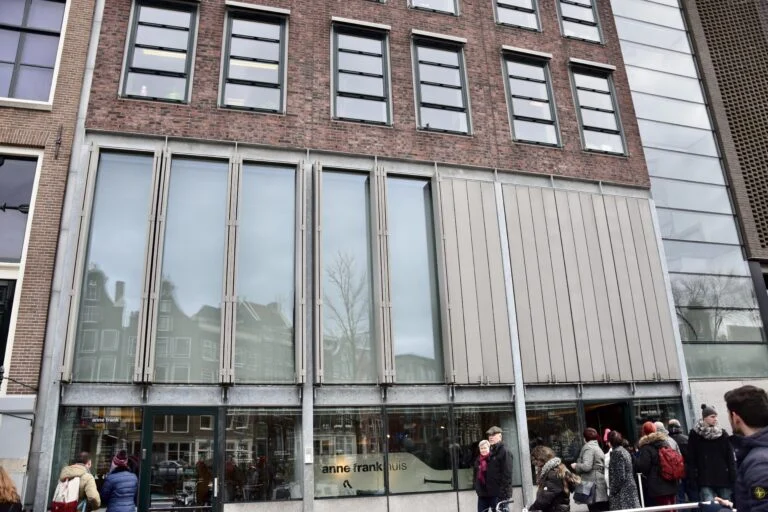
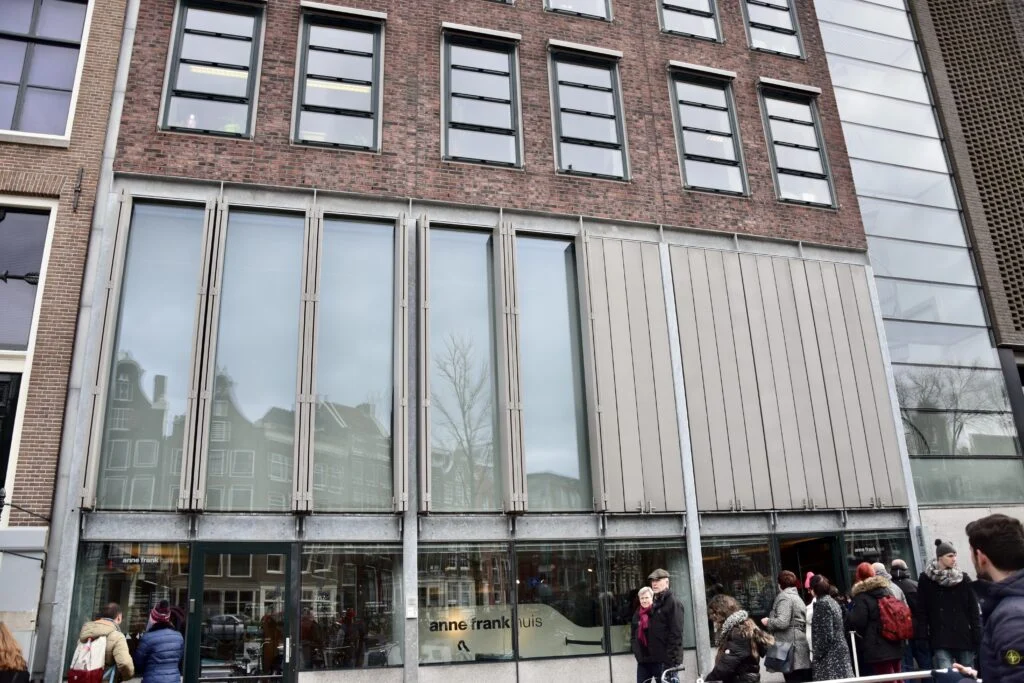
The Anne Frank House is located on a canal in Amsterdam’s historic Jordaan district, adding to the evocative atmosphere of the site. The building itself dates back to the 17th century and is characteristic of traditional Dutch canal houses, with narrow, tall facades and steep stairways. The integration of the Secret Annex into this residential building makes it a unique house museum that combines architectural interest with profound historical significance.
The setting along the Prinsengracht canal offers a reflective environment that enhances the experience. The nearby streets and canals have a timeless quality, and visitors often find themselves contemplating not only the historical events connected to the site but also the broader human themes resonating from Anne Frank’s diary. The museum’s carefully maintained atmosphere respects the solemnity of the location while welcoming visitors from around the world.
Practical Information
The Anne Frank House is a popular destination, often requiring advance planning to secure entry. It is advisable to book tickets ahead of time through the official channels, as walk-in admission can be limited or unavailable due to high demand. The museum operates a timed entry system to manage visitor flow and ensure a contemplative atmosphere.
Opening hours and ticket prices may vary seasonally or due to special events, so it is important for visitors to verify current details before planning their visit. This information can be found on the Anne Frank House official website, which is regularly updated with the latest news regarding hours, ticket availability, and health and safety measures. The museum tends to be accessible but may have certain limitations for visitors with mobility issues, so checking accessibility information in advance is recommended.
The museum is designed to be suitable for a wide range of ages, including educational groups, families, and individuals. Audio guides and informational materials are often available in multiple languages, supporting an inclusive and informative visit. Photography is generally restricted in many areas to preserve the atmosphere and respect the sensitivity of the site.
Why Visit
Visiting the Anne Frank House is a powerful and moving experience that goes beyond simply exploring a historical site. It offers a deeply personal perspective on one of the darkest chapters in human history, told through the voice of a young girl who dreamed of freedom and peace. The house museum provides a space not only for remembrance but also for education and reflection on issues of tolerance, human dignity, and the consequences of hatred.
The museum’s value lies in its ability to connect global audiences with the past in a direct and emotional way. It encourages visitors to consider the impact of prejudice and discrimination in their own lives and communities. For many, the visit is both a solemn commemoration and a call to action—to remember history’s lessons and to promote understanding and compassion.
In sum, the Anne Frank House stands as a vital cultural institution in Amsterdam, offering an unforgettable encounter with history, humanity, and the ongoing struggle for justice and equality. Whether one is motivated by historical interest, educational objectives, or a desire for personal reflection, the museum delivers an experience that resonates on many levels and remains relevant around the world.