Randers Kunstmuseum
Randers, Denmark. Randers Kunstmuseum is a regional art museum located in Randers, Denmark. It specializes in Danish art from the 18th century to the present day, with a focus on modern and contemporary works. The museum…
Best forMuseum lovers, culture travelers, first-time visitors
Setting / nearbyRanders, Denmark
Overview
Randers Kunstmuseum is a regional art museum located in Randers, Denmark. It specializes in Danish art from the 18th century to the present day, with a focus on modern and contemporary works. The museum serves as a cultural institution for the city and the surrounding region, offering a concentrated look at Danish artistic developments over the past two and a half centuries. Rather than presenting an encyclopedic overview of art history, Randers Kunstmuseum emphasizes Danish artists and includes works from figurative painting to more abstract expressions, reflecting changes in style and sensibility within Denmark’s art scene. Its collection and exhibitions aim to foster an appreciation of Danish visual culture within both a local and national framework.
Collection Highlights
The core of Randers Kunstmuseum’s holdings centers on Danish art, spanning from around the late 1700s onwards. Early pieces often represent the Golden Age of Danish painting, a significant period marked by a focus on landscape and portraiture that resonates with the country’s cultural identity. Visitors can expect to see works by prominent Danish painters, illustrating the transition from classicism to realism and eventually to modernist trends that took hold in the late 19th and early 20th centuries.
One notable aspect of the museum’s collection is the inclusion of Abstract Expressionism, specifically referencing the Cobra movement, which found resonance in Danish art circles. Cobra’s bold, spontaneous style and interest in the subconscious marked a distinct chapter in post-war Danish art. The collection’s modern section also includes works by Kurt Trampedach, a Danish painter known for his figurative work and explorations of psychological themes in the late 20th century. The variety in media extends beyond painting to graphic works and sculptures, reflecting the broader scope of Danish artistic production.
The museum’s curatorial choices shed light on regional artistic identity while connecting it to wider European movements. This approach should interest those already familiar with Danish art as well as visitors wanting to understand Denmark’s contribution within a European context. While the collection is defined by a national focus, it is not exclusively so, occasionally incorporating relevant international influences as they relate to Danish artists.
Building and Setting
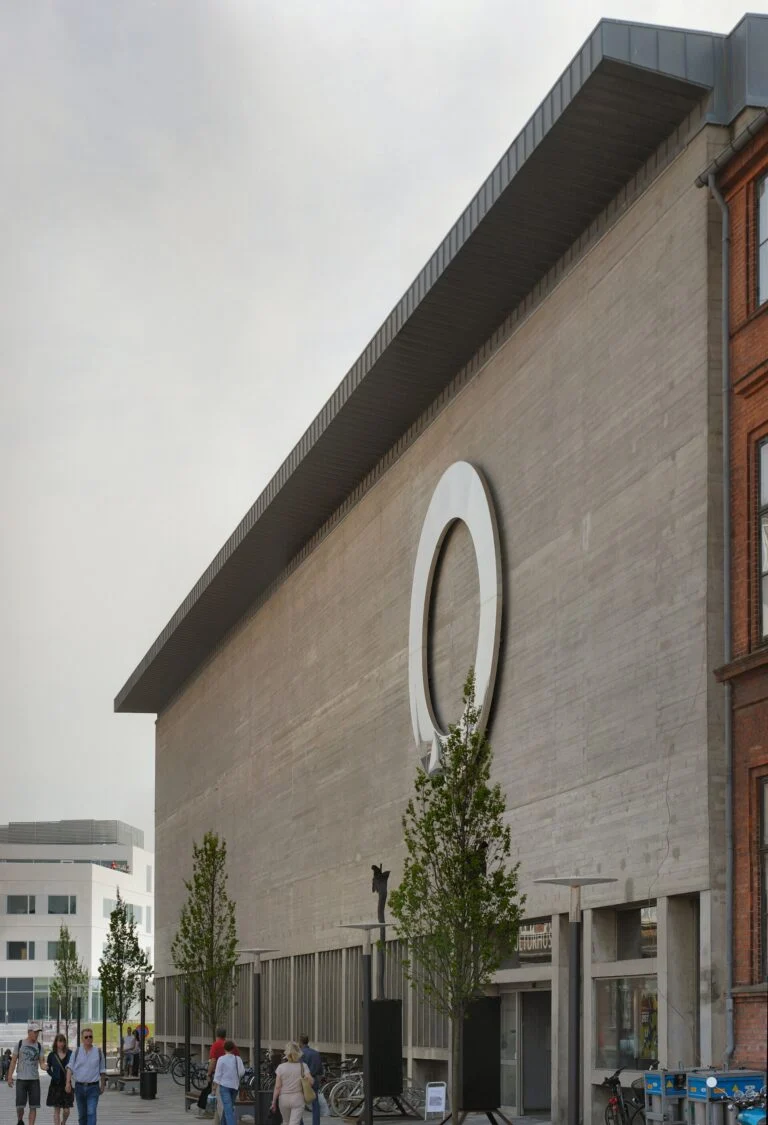
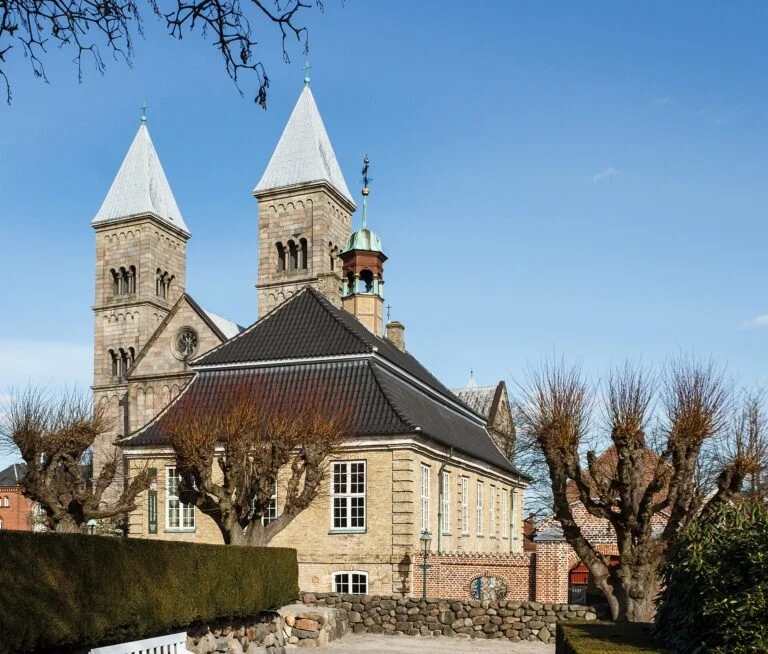
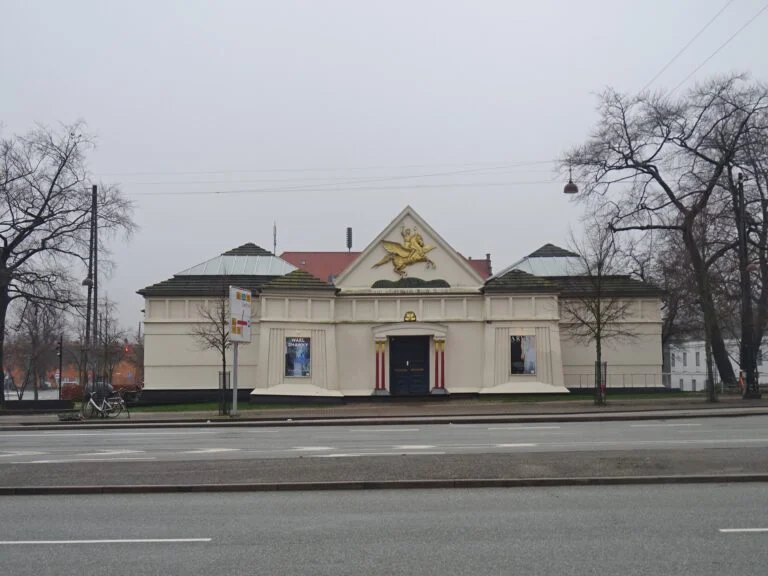
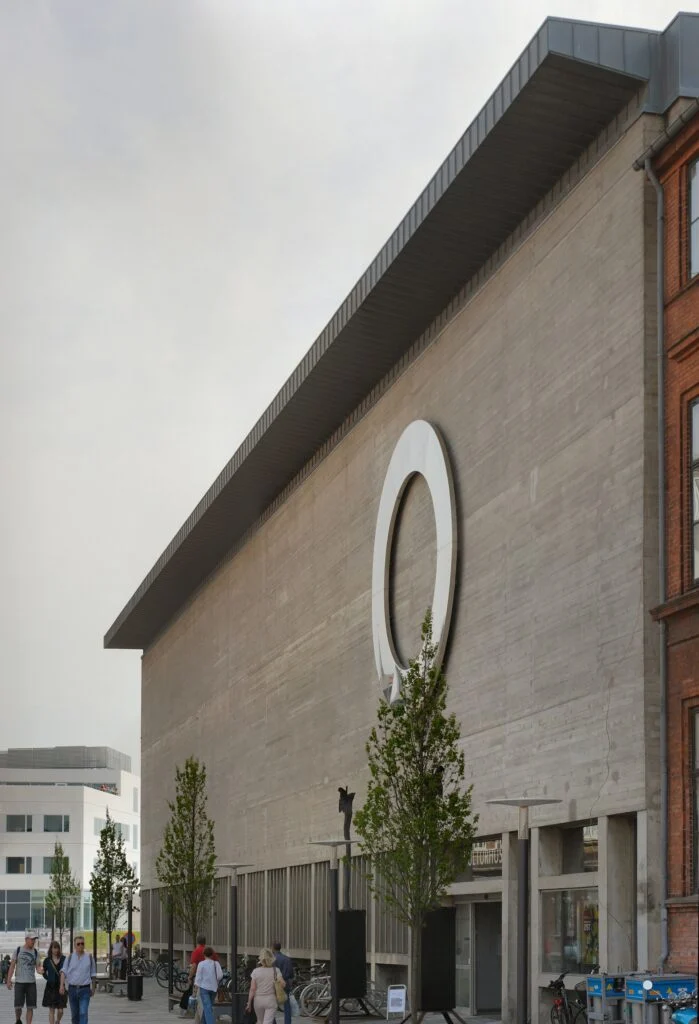
Randers Kunstmuseum is located within the town of Randers, a city in eastern Jutland. The museum’s physical setting is within an urban environment, compact and accessible from the city center. Architects have shaped the museum to facilitate clear circulation and to provide appropriate gallery spaces suited to both small-scale and larger works. The building combines functional design with a quiet presence in the city, aiming to balance its role as a cultural institution with its surroundings.
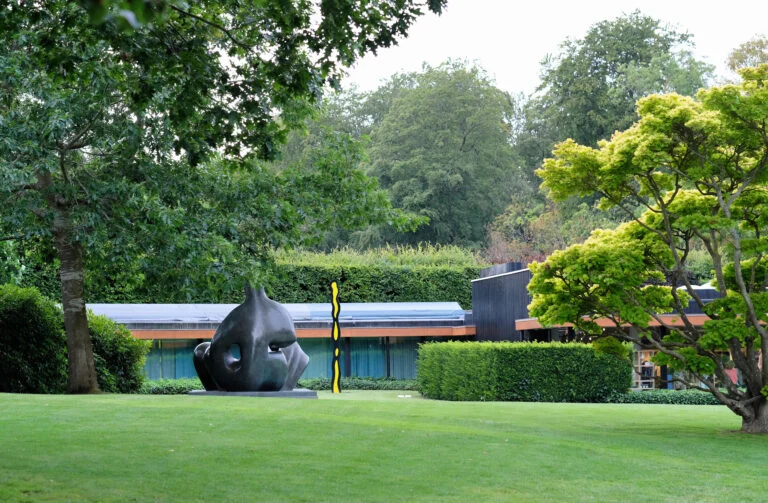
The adjacent areas around the museum include public spaces that invite visitors to linger before or after a visit, though the immediate environment is best described as urban rather than park-like. The museum does not have expansive grounds or extensive outdoor installations, so the focus remains firmly on the works inside. Its location within Randers makes it a practical addition to a cultural itinerary in the region, particularly for those exploring Danish art outside the capital.
Visitors should not expect an imposing architectural landmark, but rather a space intended to support the display and experience of art. Its modest scale reflects its role as a regional museum dedicated to a particular national scope and historical period.
Practical Information
Before visiting Randers Kunstmuseum, it is advisable to check the museum’s official website for the latest information on opening hours, admission fees, guided tours, audio guides, and any special measures that may affect access. This will ensure visitors have the most accurate and current details, as museum schedules and policies can change.
The museum is suited for a broad audience, including art enthusiasts interested in Danish art history, students seeking educational resources, and general visitors who appreciate a focused collection in a manageable setting. The galleries are designed for straightforward navigation, although visitors with specific accessibility needs should confirm available accommodations ahead of time.
Facilities within the museum likely include basic visitor amenities common to art museums, yet there is no detailed public information confirming on-site dining or extensive retail. Those planning a visit should account for this and consider nearby options for refreshments or meals.
Because the museum is smaller than national institutions found in major cities, it may be less crowded, allowing for a quieter viewing experience. However, special exhibitions or local events could influence visitor numbers.
Why Visit
Randers Kunstmuseum has a specific appeal for those interested in Danish art beyond the more famous venues in Copenhagen or Aarhus. By concentrating on pieces from the late 18th century up through contemporary periods, it offers insight into the evolution of art within Denmark’s borders, seen through the eyes of Danish artists.
The emphasis on the Cobra group and figures like Kurt Trampedach highlights particular moments and personalities that have shaped Danish modern art, making these offerings distinctive compared with broader or more general collections. Visitors wanting to understand Danish art movements, especially in relation to figurative and abstract art within the country, will find this museum valuable.
The museum suits visitors who appreciate intimate spaces where one can examine artworks without the scale or crowds of larger institutions. Its regional context enriches the experience by grounding the artworks within Denmark’s cultural geography, outside of the capital.
At the same time, those expecting international breadth or very large-scale exhibitions might find the museum’s scope limited. It is neither a comprehensive art history museum nor an international fine arts institution. The focus remains purposely national and somewhat chronological, so those looking for cutting-edge contemporary art from beyond Denmark or retrospectives of global artists should consider this when planning their visit.
In summary, Randers Kunstmuseum offers a thoughtful, regionally grounded experience centered on Danish art—a perspective that complements more comprehensive museums by diving deeper into national artistic developments and specific art movements. It’s well suited for visitors with a particular interest in Danish culture or modern art history filtered through local voices and expressions.