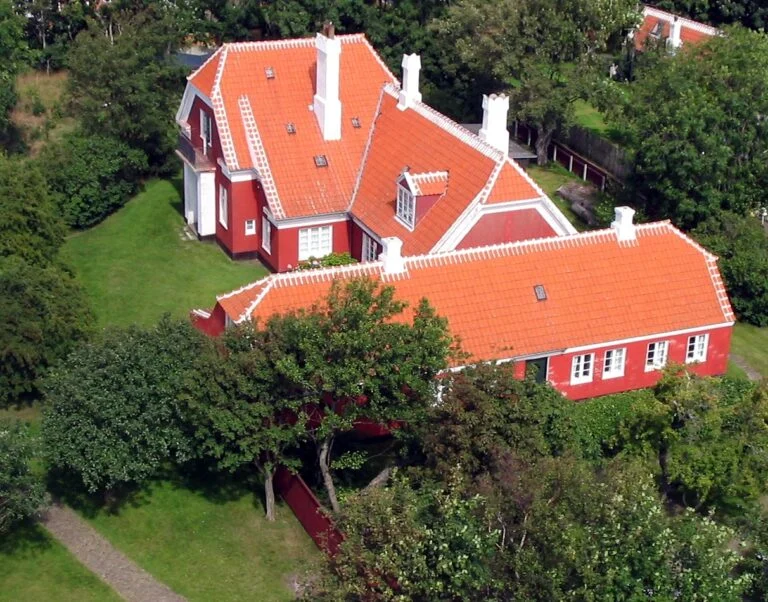
Skovgaard Museum
Viborg, Denmark. The Skovgaard Museum in Viborg, Denmark, is an art museum devoted primarily to the work and legacy of the Skovgaard family, a prominent group of Danish painters active mainly in the late 19th and…
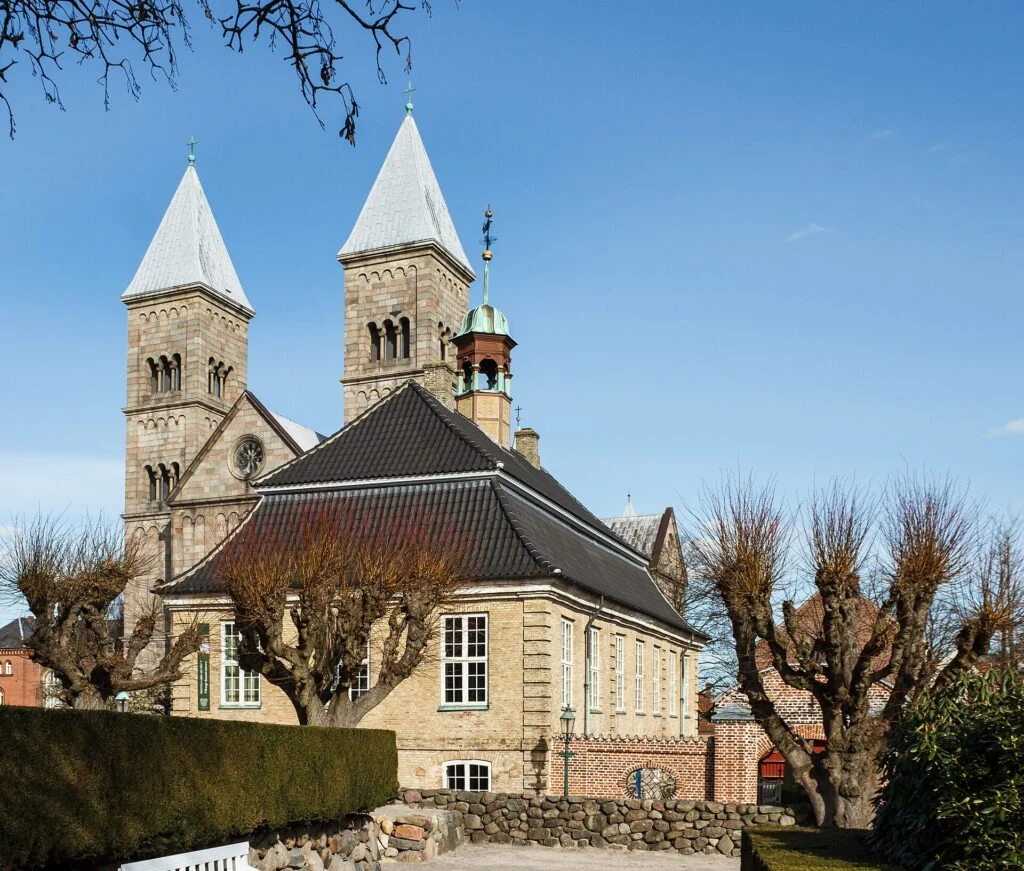
Best forMuseum lovers, culture travelers, first-time visitors
Setting / nearbyViborg, Denmark
Overview
The Skovgaard Museum in Viborg, Denmark, is an art museum devoted primarily to the work and legacy of the Skovgaard family, a prominent group of Danish painters active mainly in the late 19th and early 20th centuries. This museum is well-regarded for its focused collection of works by the Skovgaards, who were influential in Danish art through the period of national romanticism and contributed to shaping the visual representation of Denmark’s cultural heritage. The museum presents not only individual paintings but also a broader perspective on the artistic family itself, their techniques, themes, and role in Danish art history.
Situated in the city of Viborg, one of Denmark’s oldest towns, the museum is closely linked to the local cultural scene and provides insights into the national art narrative of that era. The Skovgaard Museum appeals to visitors interested in 19th-century Danish painting, art history students, and cultural tourists seeking deeper understanding of this particular artistic lineage.
Collection Highlights
At the heart of the museum’s collection is the art produced by the Skovgaard family, notably including P.C. Skovgaard, who was central to Danish Golden Age painting. His landscapes often depict the Danish countryside with a delicate yet expressive approach that blends naturalism with romantic sensibility. These landscapes helped form a visual vocabulary deeply connected to Danish identity, emphasizing nature, rural life, and a melancholic appreciation of the countryside.
The museum also features works by other family members, such as his children Joakim Skovgaard and Niels Skovgaard, each well-established painters in their own right. Joakim Skovgaard was known for his church decorations and religious art, a significant dimension of his career that explores spiritual themes and the interplay of light, space, and narrative in large scale works. Meanwhile, Niels Skovgaard’s art incorporates both natural motifs and graphic elements, presenting an interesting development from the family’s earlier generation.
Besides paintings, the museum includes sketches, studies, and personal objects that reveal the artistic process and the overlapping interests between family members. This allows visitors to appreciate the varying styles within one artistic dynasty and observe how they influenced each other and responded to broader aesthetic trends.
The Skovgaard Museum’s collection, while focused and somewhat specialized, offers a comprehensive view of the artistic endeavors of one family that had a significant impact on Danish cultural history. It also invites reflection on themes such as the relationship between nature and art, family collaboration, and the evolution of Danish art through a period of national self-definition.
Building and Setting
The museum is located in Viborg, a city with a rich historical background and notable medieval landmarks. This location gives a certain contextual richness to the museum’s focus on Danish art rooted in national identity, as Viborg itself embodies centuries of Danish history.
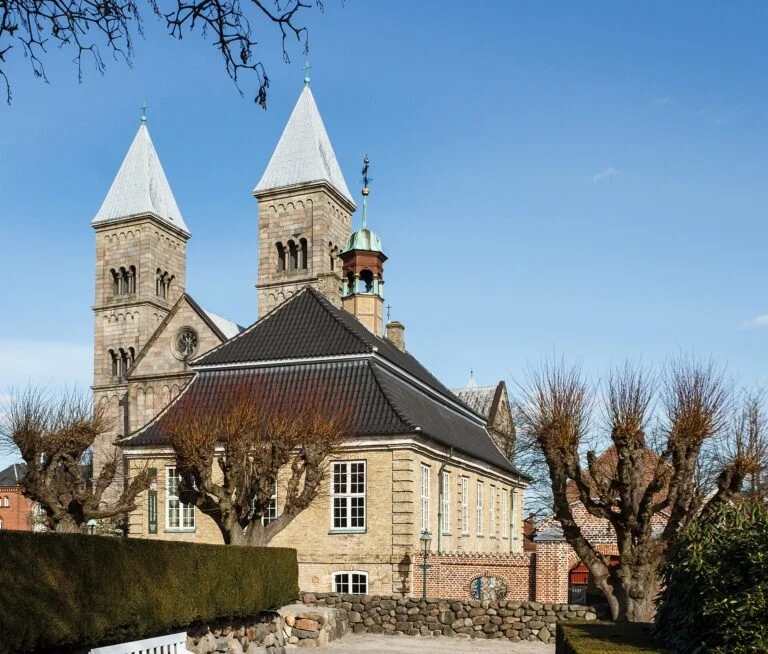
The building housing the museum is architecturally modest and functional, designed to provide suitable exhibition spaces that accommodate paintings, sketches, and other materials. The museum’s layout facilitates a clear chronological and thematic presentation of the collection, allowing visitors to follow the development of the family’s artistic work with relative ease.
While the setting does not compete with more atmospheric or grand historical venues, the town of Viborg offers a calm cultural environment and a chance to connect museum visits with other historical sites nearby. Visitors interested in the broader cultural geography of Denmark will find that the museum complements rather than stands apart from the local heritage.
Practical Information
For those planning a visit to the Skovgaard Museum, it is advisable to check the museum’s official website to confirm current opening hours, admission fees, and any special visitor arrangements. Details such as guided tours, availability of audio guides, accessibility options, and booking requirements may vary and should be verified in advance.
The museum does not appear to be very large, so it could be suitable for a focused visit without the need for a full day. However, combining a visit here with exploring Viborg itself might offer a more rounded cultural and historical experience.
Given its specialized collection, the museum’s content is likely to attract visitors with a particular interest in Danish art or art history, rather than a general audience expecting a broad sweep of art from multiple periods or regions. Visitors should consider this when planning their itinerary, especially if they have limited time or specific art interests.
Why Visit
Choosing to visit the Skovgaard Museum offers an opportunity to engage with a distinctive chapter of Danish art history. This is a place where the artistic output of one family reflects a broader cultural moment shaped by nature, national identity, and artistic innovation.
For those interested in landscape painting and the development of art in Denmark, the museum provides a concentrated and well-contextualized presentation of influential artworks that may not be widely represented elsewhere. It can also serve as an educational resource that contextualizes the family’s contributions in the framework of 19th and early 20th-century Danish art.
The museum is most suitable for visitors who appreciate focused collections and wish to deepen their understanding of a particular artistic lineage. It functions less as a general art museum and more as a specialized site dedicated to exploring the nuances of a single family’s artistic legacy.
While the Skovgaard Museum may not attract visitors looking for extensive collections covering many genres, it rewards those willing to engage with its focused story. In that sense, it complements other Danish cultural institutions by contributing depth rather than breadth to the country’s artistic narrative.
In summary, the Skovgaard Museum in Viborg is a focused art museum celebrating a family whose work captures important themes in Danish art history. Its collection highlights the familial and national facets of 19th-century painting, set within the historical city of Viborg. Visitors interested in Scandinavian art, landscape painting, or art connected to national romanticism may find the experience worthwhile. Checking current visitor information before traveling will help ensure a smooth and informed visit.