Museum of Decorative Arts in Prague
Art Museums · Prague, Czech Republic. The Museum of Decorative Arts in Prague presents a comprehensive exploration of applied arts and design, emphasizing the craftsmanship and creative processes behind objects that shape everyday life and aesthetic culture. Founded in the…

Best forArt lovers, visual culture, architecture
Setting / nearbyPrague, Czech Republic
Overview
The Museum of Decorative Arts in Prague presents a comprehensive exploration of applied arts and design, emphasizing the craftsmanship and creative processes behind objects that shape everyday life and aesthetic culture. Founded in the late 19th century, the institution focuses on areas such as glass, ceramics, textiles, metalwork, and furniture from the medieval period to the present day. This museum differs from typical fine art museums by concentrating on how artistic techniques intersect with functional objects, revealing the history and innovation behind design practices in Central Europe and beyond. It serves as a resource for those interested in the material culture of decorative arts, displaying a continuum that ties historic artefacts to modern design trends.
Collection Highlights
The museum’s collection offers a detailed overview of the decorative arts across several centuries, with particular strength in Bohemian glass and crystal production. This includes examples that date back to the early modern period, illustrating the evolving techniques and styles in glass artistry. Visitors can find examples of engraved, cut, and molded glass, showing both traditional craftsmanship and experimental approaches.
In ceramics, the variety ranges from medieval pottery to Art Nouveau porcelain, including works from prominent manufactories in the Czech lands and neighboring regions. The textile collection contains historic tapestries, embroidered fabrics, and early industrial textiles, highlighting both folk traditions and urban design influences.
Metalworks on display include silverware, Renaissance and Baroque era artifacts, and functional objects such as clocks and ornamental hardware. These pieces reflect both artistic detail and utilitarian purposes, demonstrating the overlap common in decorative arts.
Furniture in the museum reflects several key design movements. From Gothic carved chests and Renaissance cabinets to pieces influenced by Art Nouveau and Cubism, the collection traces how furniture both served daily needs and expressed artistic trends. The presence of designs linked to notable Czech designers adds depth to the historical narrative.
The museum also dedicates space to graphic design and bookbinding, showing the role of decoration and layout in printed materials from the 19th century onward. This section connects applied arts with emerging industrial design processes.
Temporary exhibitions often focus on specific themes or contemporary design, which occasionally introduces newer perspectives to the longstanding traditions represented in the permanent collection. These exhibits show continuing interest in decorative arts as a living field.
Building and Setting
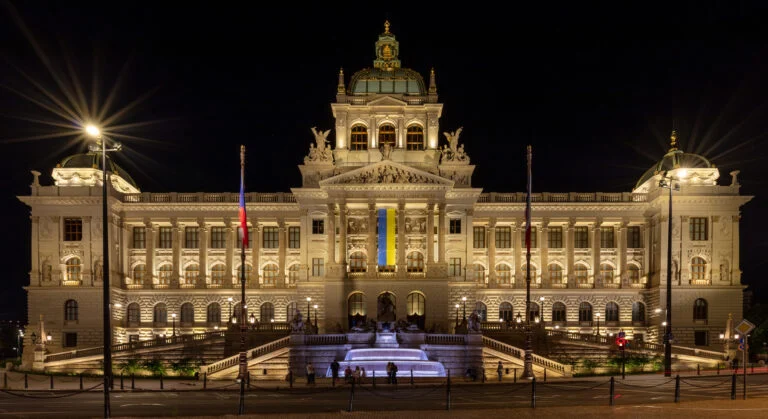
Housed in a Neo-Renaissance building on the historic Malá Strana district, the museum's location itself is part of Prague’s cultural fabric. The structure was purpose-built for the museum at the start of the 20th century, designed to accommodate extensive collections of three-dimensional objects requiring display cases and conservation spaces. Its architectural style fits within the historic character of its neighborhood, among other government and cultural buildings.
The setting reflects Prague’s layered history, situated just below Prague Castle and near the Vltava River. This neighborhood has long been home to a range of institutions dedicated to art and culture, offering a concentrated area to experience different facets of the city’s artistic heritage.
Practical Information
Details such as opening hours, ticket prices, available discounts, and guided tours can change periodically. Visitors should consult the museum’s official website for up-to-date information before planning a visit. The museum provides resources in multiple languages, including directions and visitor services. Accessibility details and any booking requirements will also be outlined online.
Why Visit
This museum attracts those with interest in how artistic craftsmanship meets utility over a broad historical range. The extensive glass and ceramics collections provide clear insight into some of the most internationally known Czech decorative arts. The variety of objects and times covered gives a tangible sense of evolving style, materials, and techniques without overwhelming with too much recent industrial or digital design.
If your curiosity lies in the crossover between art and everyday objects—how skill, design, and industry have shaped items from a medieval goblet to Art Nouveau furniture—this museum offers a substantial look at those processes. The detailed focus on applied arts in a Central European context distinguishes it amid Prague’s many cultural institutions, which often emphasize painting, sculpture, or architecture.
Some may find the genre-specific approach narrower than encyclopedic art museums, but that focus allows a clearer view of decorative arts as an independent discipline with deep local roots. Temporary exhibitions can introduce fresh angles or contemporary applications of decorative art traditions, helping the collection feel relevant.
Before visiting, it’s worth considering how much time to allocate, since the museum’s thorough coverage of the decorative arts can benefit from slow exploration, especially for those interested in specific materials or periods. The building’s location in the older part of Prague also invites combining your visit with nearby historic sites.
In sum, the Museum of Decorative Arts in Prague provides detailed documentation of artistic crafts and design in ways that connect form, function, and cultural history. It rewards those interested in material culture and craftsmanship, offering a well-curated experience of applied art’s shape over centuries in the Czech lands and neighboring regions.