Nairobi National Museum
Nairobi National Museum in Nairobi, Kenya, is one of East Africa’s most important museums and one of the clearest public introductions to.
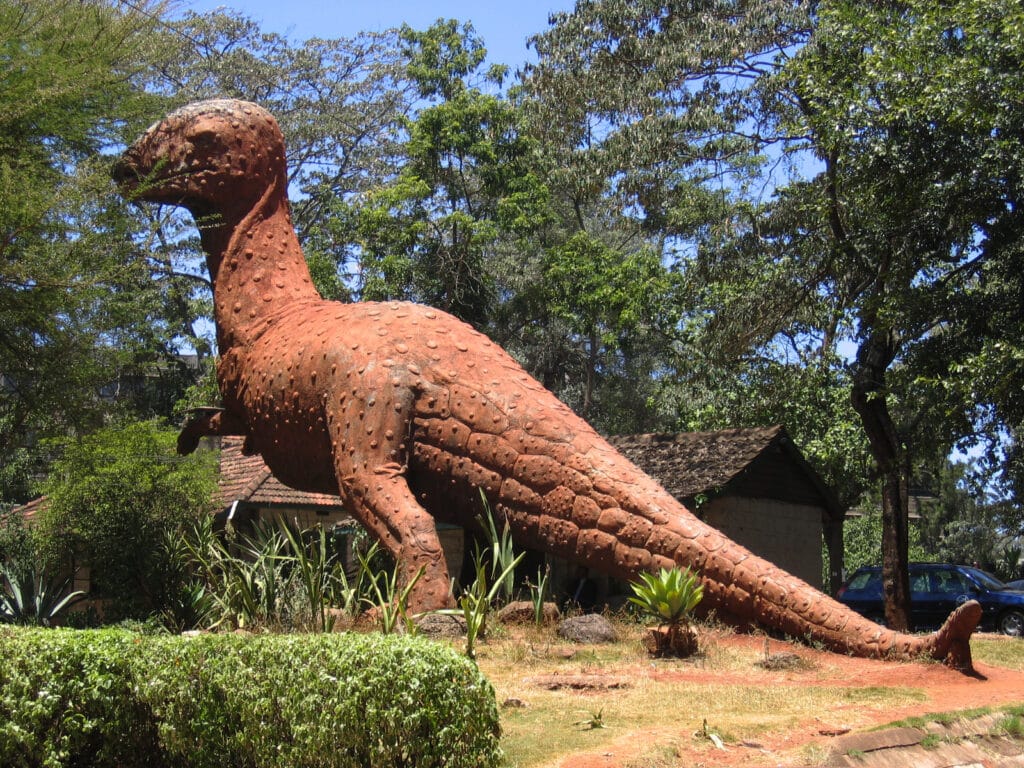
Best forNatural history, fossils, family learning
Setting / nearbyAfrica
Overview
Nairobi National Museum is one of Kenya’s most important cultural institutions and one of the clearest places to understand the country through history, nature, archaeology, and art in a single visit. As a national museum, it carries a broad responsibility. It is not focused on one era, one region, or one kind of collection. Instead, it presents Kenya as a place shaped by deep geological time, human origins, ecological diversity, artistic production, and many overlapping cultural traditions. That breadth is one of its greatest strengths.
What makes the museum especially compelling is the way it combines national history with wider regional and global significance. Kenya is important not only in East African history, but also in the story of human evolution and in the scientific understanding of biodiversity and landscape. Nairobi National Museum reflects this larger context. Visitors do not simply encounter a museum about one modern nation-state. They encounter a museum that places Kenya within much longer and wider narratives, from prehistoric life to contemporary culture.
The museum is also valuable because it gives a more grounded understanding of Nairobi itself. The city can often feel fast-moving and modern, but this institution adds depth by showing the long historical, scientific, and cultural frameworks behind present-day Kenya. For many visitors, it becomes one of the most useful places to begin a wider journey through the country. After spending time here, landscapes, wildlife, archaeological sites, and cultural references elsewhere in Kenya often become easier to understand.
For travelers, this makes the museum more than a standard city attraction. It is a place of orientation. It helps explain why Kenya matters historically, culturally, and scientifically, and it does so through collections that are varied enough to keep the visit engaging from beginning to end.
Collection Highlights
One of the museum’s greatest strengths is the diversity of its displays. Natural history, archaeology, ethnography, and art all contribute to the overall experience, and this range is important because Kenya cannot be understood through one subject alone. The museum becomes most rewarding when these different areas are seen together. Geological and fossil material, for example, gives depth to the land itself, while cultural collections and artistic displays show how people have lived, created, and organized meaning across time.
The museum is especially significant for material connected to human origins and prehistory. Kenya plays a major role in the scientific story of early humanity, and that makes archaeological and paleoanthropological displays especially important here. Even for visitors without specialist knowledge, this section can be one of the most memorable parts of the museum because it places the country within a story of global human significance. That wider frame gives the institution intellectual weight.
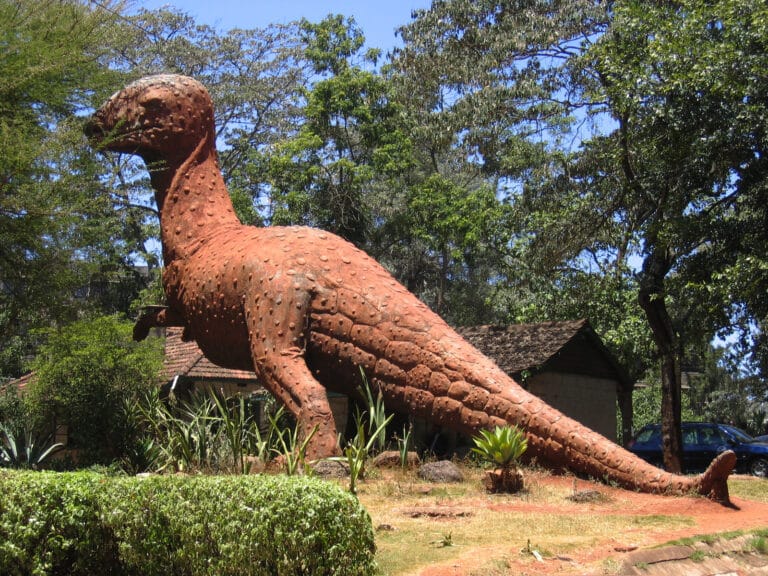
Natural history is another major strength. Kenya’s wildlife is internationally famous, but the museum helps show that biodiversity is more than a tourist image. Through specimens, environmental interpretation, and zoological displays, visitors can better understand the complexity of ecosystems and the richness of East African natural life. This gives the museum a useful balance. It does not only celebrate wildlife visually, but also places it within scientific and ecological context.
The cultural collections are equally important. Objects linked to daily life, ceremony, craftsmanship, dress, and social identity help present Kenya as a country of many communities and traditions. A strong national museum should avoid flattening that diversity, and Nairobi National Museum is most effective when it reveals the country’s cultural richness without reducing it to a few symbols. These displays help visitors appreciate that Kenyan identity is layered, regional, and historically varied.
Building and Setting
The museum’s setting in Nairobi contributes greatly to its role as a public institution. A national museum in the capital city naturally carries symbolic importance. It is not only a place for preservation, but also a place where the country presents itself to citizens, students, and international visitors. That civic role gives the museum an added seriousness and makes it feel central rather than secondary.
Architecturally, the museum works best as a place of transition between different kinds of knowledge. Visitors move between natural history, archaeology, and culture, and the building supports that shift by allowing the institution to function as more than one kind of museum at once. This flexibility is one of its strengths. A narrower layout would make the experience feel fragmented, but here the broader structure helps unify very different collections.
Its Nairobi location also makes it especially useful in practical terms. Because the museum is in the capital, it often becomes a first major stop for understanding the country. This gives it a different function from a regional museum. It serves not just local memory, but national framing. That broader purpose shapes the whole visit.
The atmosphere of the museum is usually most rewarding when approached slowly. Museums of this kind do not depend only on one famous object. Their real value lies in accumulation, in the way different displays gradually create a richer picture of the country. Nairobi National Museum is strongest when visitors allow time for that larger picture to form.
Practical Information
Nairobi National Museum is best visited with enough time to explore several sections properly. Because the museum covers so many subjects, rushing through it can flatten the experience. A slower visit makes it easier to appreciate how archaeology, natural history, and cultural collections connect with one another.
It is especially rewarding early in a trip to Kenya, since it provides valuable context for places and themes that may appear later in travel. But it is also useful later in a journey, when visitors may return with a clearer sense of how different landscapes, communities, and historical references fit into the broader picture the museum provides.
The museum works well for many kinds of visitors. Families may be drawn to the natural history sections, while travelers interested in history, anthropology, archaeology, or African cultural heritage are likely to find broader depth throughout. That wide appeal is one of the reasons the museum remains such an important institution.
Why Visit
Nairobi National Museum is worth visiting because it offers one of the broadest and most useful introductions to Kenya available anywhere. It brings together science, history, culture, and environment in a way that helps the country appear in full scale rather than as a set of isolated attractions or stereotypes.
It is also worth visiting because it gives Kenya historical and cultural depth. Instead of presenting only the modern nation or the tourist image of wildlife, it shows a country connected to deep human history, extraordinary biodiversity, and rich cultural plurality. That combination makes the museum especially valuable.
If you want one museum in Nairobi that provides context, substance, and a fuller understanding of Kenya, Nairobi National Museum is one of the clearest choices. It is thoughtful, varied, and one of the most rewarding cultural visits in the city.