Museo Cerralbo
Museums · Madrid, Spain. Museo Cerralbo in Madrid presents a unique type of cultural institution: a house museum that preserves the domestic setting and personal art collection of Enrique de Aguilera y Gamboa, the 17th Marquis of Cerralbo.…
Best forMuseum lovers, culture travelers, first-time visitors
Setting / nearbyMadrid, Spain
Overview
Museo Cerralbo in Madrid presents a unique type of cultural institution: a house museum that preserves the domestic setting and personal art collection of Enrique de Aguilera y Gamboa, the 17th Marquis of Cerralbo. Unlike large national or modern art museums, Museo Cerralbo allows visitors to step directly into the lifestyle of a Spanish aristocrat from the late 19th and early 20th centuries. The museum is a window into a specific historical period and social class, where art collecting, antiquarian interests, and interior decoration merge.
The museum’s identity is strongly tied to its founder’s passions. The Marquis was an avid collector and scholar who amassed a wide variety of artworks and historical objects, aiming to create a museum-like residence. This intention shapes the experience for visitors today, as they explore well-preserved rooms filled with decorative arts, paintings, sculpture, arms and armor, ceramics, and archaeological pieces. The museum thus functions as a hybrid space: part private collection, part public exhibition. Its value lies both in the quality and range of the collection and the tangible sense of historical domesticity.
Collection Highlights
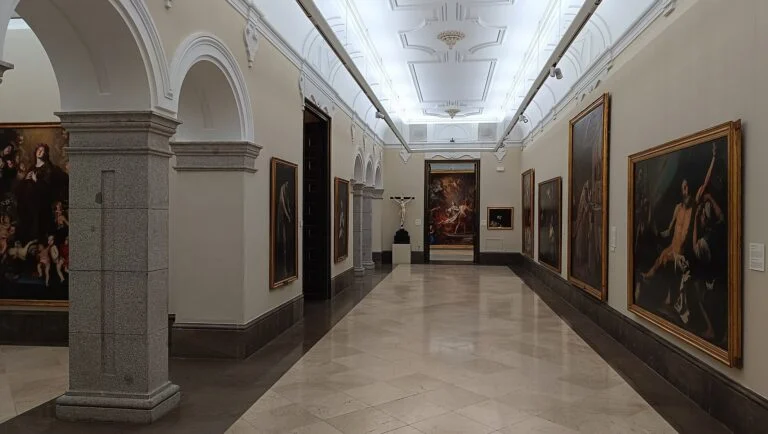
The collection at Museo Cerralbo is diverse and eclectic but unified by the Marquis’ personal taste and approach to collecting. Visitors can expect to see fine examples of classical sculpture, Renaissance and Baroque paintings, as well as archaeological artifacts from different periods and places, such as Egyptian and Greek antiquities. The presence of arms and armor speaks to the 19th-century fascination with chivalry and history, and these objects are displayed alongside furniture and decorative items in the richly adorned rooms.
One of the museum’s defining features is the integration of art and everyday objects as the Marquis intended. For example, paintings hang alongside tapestries, clocks, porcelain, and glassware, creating an environment that resembles the aristocratic homes of the era rather than a curated exhibition stripped of context. The museum’s collection also provides insight into Spanish cultural history, offering works by noted Spanish painters and pieces related to local traditions.
While the collection’s breadth is impressive, its scope is somewhat shaped by the tastes and collecting priorities of a single individual. This focus gives a coherent but personal narrative, rather than a comprehensive overview of Spanish or European art history. Some sections will appeal more strongly to visitors interested in decorative arts and aristocratic lifestyles than to those seeking a conventional fine art or archaeological museum.
Building and Setting
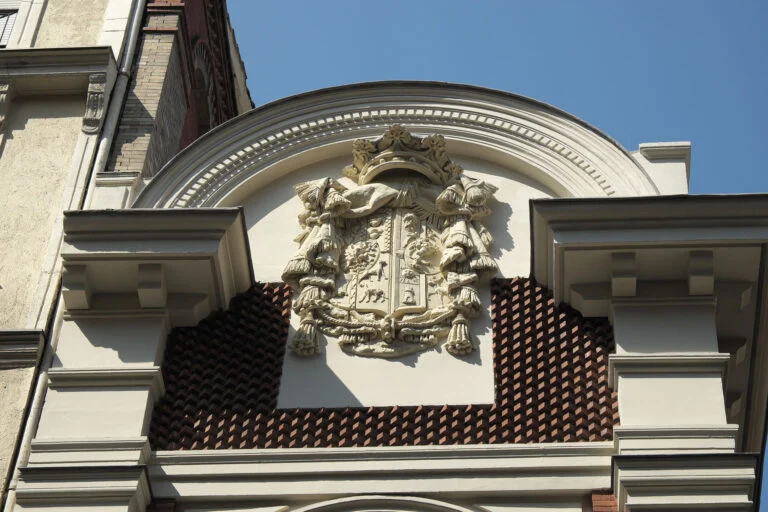
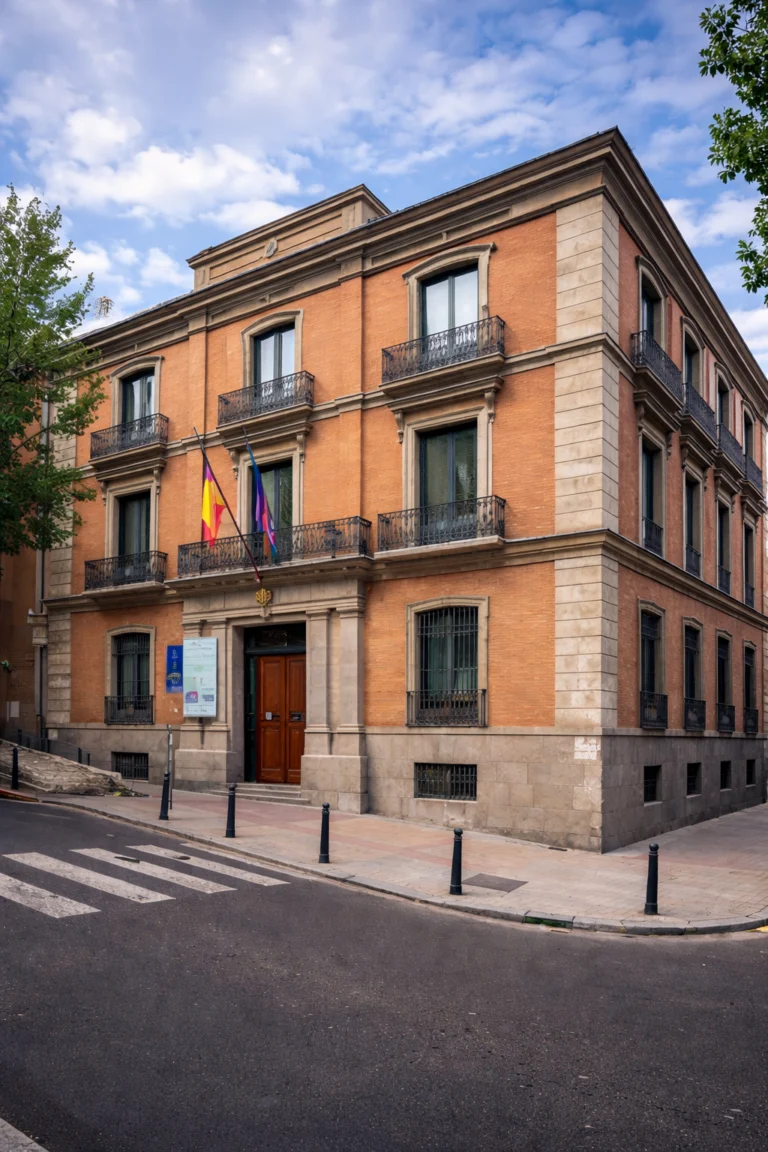
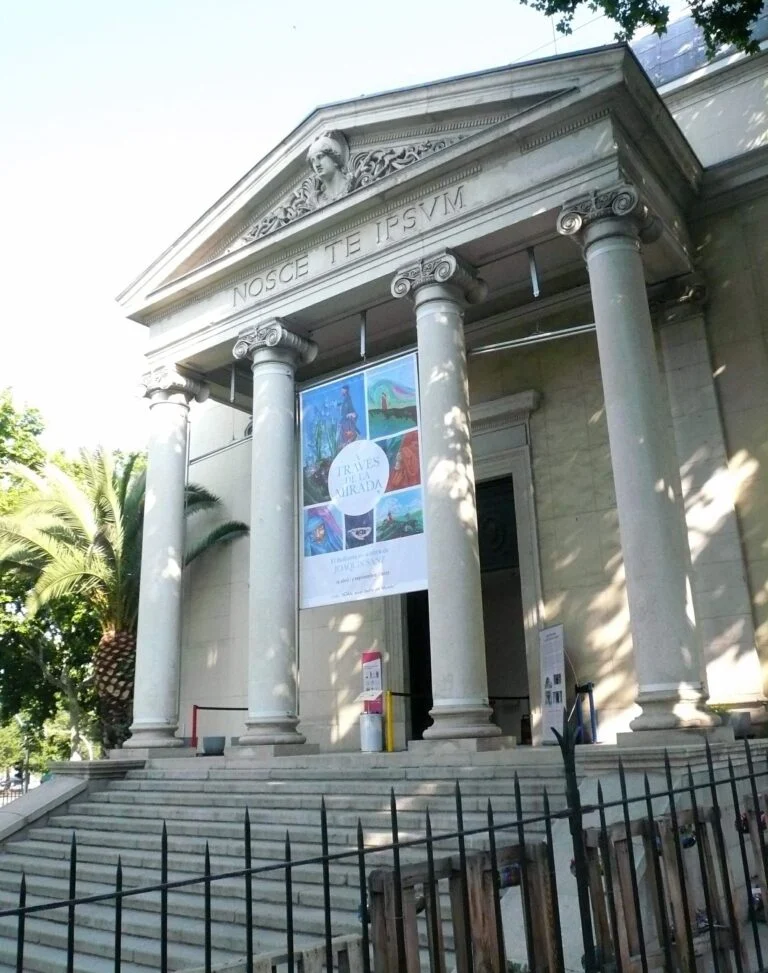
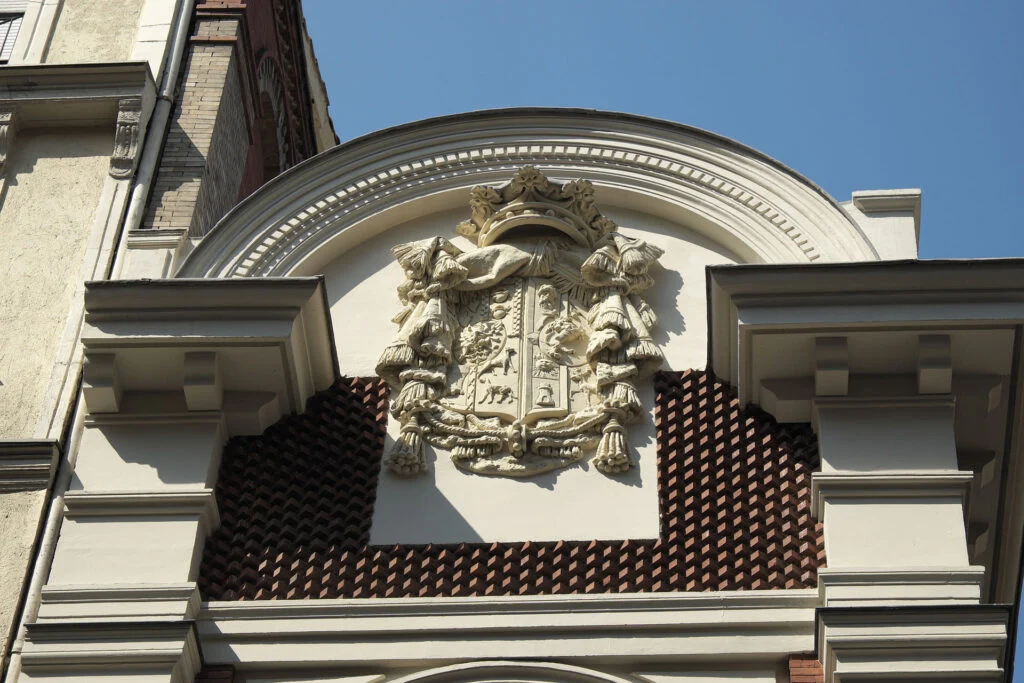
The Museo Cerralbo is located in a residential district of Madrid, occupying the former palace of the Marquis. The building dates roughly from the late 19th century and retains much of its original architectural and interior design, contributing to the atmosphere of stepping back in time. The façade and exterior give only a subtle indication of the richness contained inside, reflecting its original function as a private home rather than a public museum.
Inside, the rooms are arranged as they were during the Marquis’s lifetime, and visitors can move through salons, study rooms, a library, billiard room, and dining spaces, all decorated with period furniture, wood paneling, and lavish details. The spatial layout and decorative style reflect aristocratic taste and social customs of the late 1800s and early 1900s in Spain.
Though primarily urban, the setting of Museo Cerralbo allows visitors to experience the historical juxtaposition of a noble residence amid the capital city. This situates the collection in a distinctly local context and contrasts it with larger, more modern museum buildings elsewhere in Madrid. The building itself is part of the museum’s appeal, as it preserves not just objects but an architectural and social environment.
Practical Information
Before planning a visit, readers should verify current opening hours, admission policies, accessibility measures, and available tours by consulting the official Museo Cerralbo website or official Madrid cultural sources. Museums of this type often have seasonal or irregular hours and may require reservations, especially for group visits.
The museum’s layout, contained within a historic residence, means some areas may have spatial limitations, which could affect visitor flow and accessibility. Those with mobility concerns should check in advance about accommodations. Given the nature of the collections and the environment, photography may be restricted in parts of the museum.
Visitors should expect a quieter, more contemplative museum experience compared to larger institutions. The scale and design invite slow exploration but may also mean fewer facilities such as cafés or shops on site. For contextual understanding, some visitors may find it useful to read beforehand about late 19th-century Spanish history and aristocratic culture.
Why Visit
Museo Cerralbo offers a visit different in character from the major national museums in Madrid. It serves those interested in experiencing an aristocratic home and collections formed with a distinct personal vision. The combination of fine art, decorative objects, and archaeological pieces within their original domestic setting creates a layered cultural encounter. Those fascinated by the history of collecting and the material culture of the European upper classes often find the museum enlightening.
This museum may not satisfy visitors who prefer large-scale, thematic exhibitions or contemporary art, but its strength lies in the authenticity of place and autobiographical nature of the collection. Through its preserved interiors, Museo Cerralbo provides a window into the tastes, interests, and lifestyle of Spain’s landed elite at a pivotal moment of social and cultural change.
In addition, the museum’s holdings include reasonably well-maintained examples of significant art historical and archaeological works, presented outside the traditional gallery format. This can enhance appreciation of how objects were viewed and valued in past eras. The relatively small scale also offers an alternative to Madrid’s busier institutions, fostering a more intimate encounter with art and history.
In summary, Museo Cerralbo appeals particularly to visitors with an interest in aristocratic history, decorative arts, and the late 19th-century Spanish milieu. It balances a varied collection with a strong sense of place and personal narrative, making it a thoughtful addition to those exploring Madrid’s diverse cultural scene.