Real Academia de Bellas Artes de San Fernando
Art Museums · Madrid, Spain. The Real Academia de Bellas Artes de San Fernando is an art museum and cultural institution located in Madrid, Spain. It represents one of the country’s most longstanding and prestigious artistic academies, founded in…
Best forArt lovers, visual culture, architecture
Setting / nearbyMadrid, Spain
Overview
The Real Academia de Bellas Artes de San Fernando is an art museum and cultural institution located in Madrid, Spain. It represents one of the country’s most longstanding and prestigious artistic academies, founded in the 18th century, devoted to the promotion of fine arts, artist training, and art historical preservation. Unlike a typical commercial gallery, this museum connects both the academic traditions of Spanish art education and a public collection that reflects a broad spectrum of artistic production, mainly from Spain but also beyond. Its role combines being a repository of significant art pieces with an institutional archive relating to the history of art pedagogy and criticism in Spain.
The museum's identity is closely tied to the academy’s mission to foster artistic excellence and scholarship. Visitors will find artworks that demonstrate pivotal moments in Spanish art history alongside works by internationally renowned artists. The institution serves not only as a display space but as a research hub and cultural reference point, embodying rich historical layers from the Enlightenment through to modern times. This dual role makes it a distinctive place within Madrid’s cultural landscape, appealing especially to those interested in the development of Spanish fine arts and the artistic dialogue with Europe.
Collection Highlights
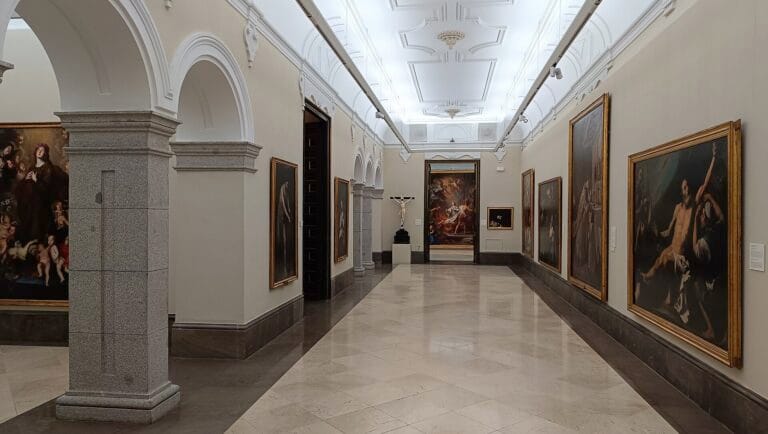
The core of the Real Academia de Bellas Artes de San Fernando’s collection features paintings, sculptures, drawings, and graphic works. It holds important pieces by Spanish masters such as Francisco de Goya, who was himself a member of the academy. Goya’s works in the museum illustrate different phases of his artistic journey and are often central draws for visitors. Beyond Goya, the collection includes works by José de Ribera, Anton Raphael Mengs, and Vicente López, among others, providing a comprehensive view of Spanish art from the 16th century through the 19th century.
In addition to Spanish artists, the museum houses European artworks that reflect the academy’s long-standing intention to study and collect continental art traditions. The presence of these works offers a comparative perspective for understanding Spain’s artistic development in relation to broader European trends. The collection’s diversity stretches through periods of classicism, romanticism, and realism, presenting shifts in style, technique, and theme.
Furthermore, the institution’s graphic arts collection deserves particular attention. It emphasizes drawings and prints that often contain fine details about artistic processes, studies, and experimentation. These graphic works provide insight into the practices of past artists and the academic training methods employed over centuries.
The Real Academia’s holdings are complemented by sculptures and decorative arts, which add a three-dimensional narrative to the exhibition spaces. Together, these objects allow visitors to explore the evolution of both form and content in Spanish art, from rigorous academic standards to more expressive and personal approaches.
Building and Setting
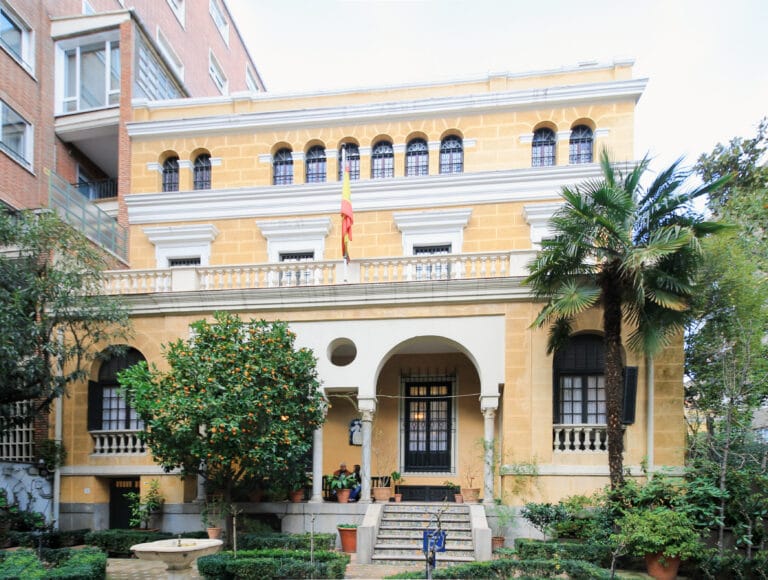
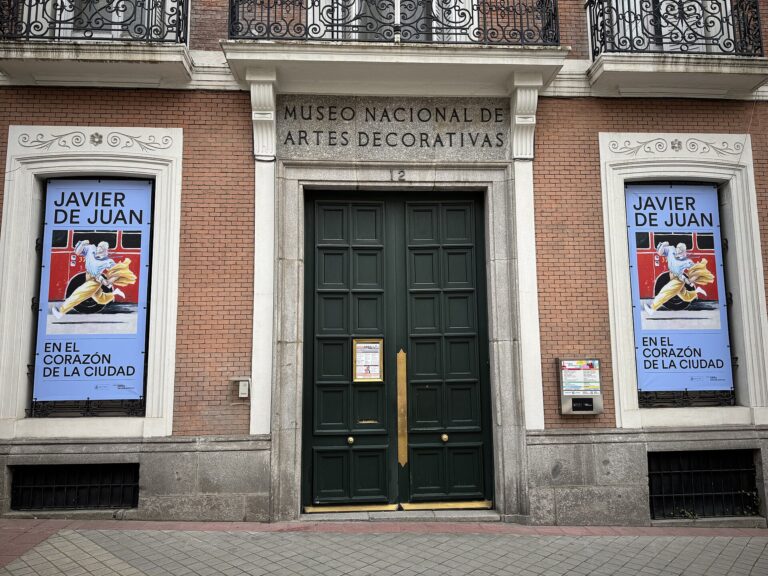
The museum is situated in central Madrid, housed in an 18th-century building with neoclassical architectural elements. This setting speaks to the academy’s historical origins and its longstanding presence in the city’s cultural fabric. The building itself was designed to accommodate the dual functions of teaching and exhibiting artworks, which influences the layout and visitor experience today.
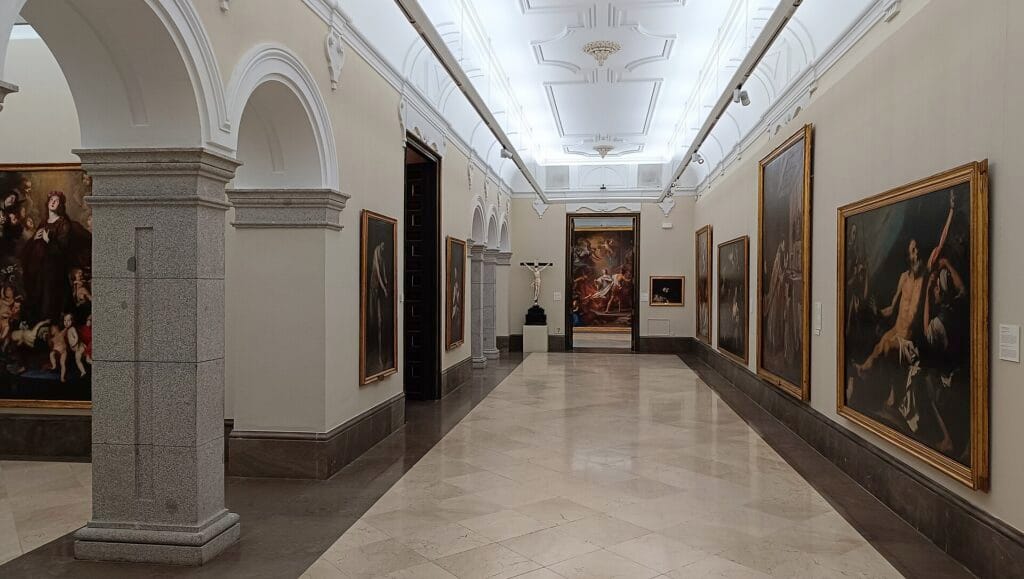
The interior spaces often embody the classical atmosphere appropriate to the institution’s heritage, with rooms that reflect different curatorial decisions made over time. Visitors can expect a combination of grand galleries and more intimate rooms where artworks are displayed in a way that allows close inspection and reflection.
The location is accessible within Madrid’s core cultural district, providing convenient connections to other museums and artistic venues. The setting allows the visitor to appreciate the relationship between the city’s historical development and the academy’s activities. However, because the building is historic, some visitor amenities might be more limited compared to more recently constructed museum facilities.
Practical Information
Before planning a visit, it is advisable to consult the museum’s official website or contact the institution directly to verify current opening hours, admission conditions, and any special visitor requirements. Information on guided tours, audio guides, or temporary exhibitions may not be consistently available or might vary depending on the day or season.
The Real Academia de Bellas Artes de San Fernando is a public cultural institution, and access policies can evolve in response to changing regulations or institutional decisions. Visitors should also inquire about accessibility options if mobility or other special assistance needs are a concern.
Regarding visitor flow, the museum sometimes attracts art scholars and students, especially given its academic role, which means the atmosphere can be focused and studious rather than exclusively geared toward casual tourism. This might affect the pace at which one moves through the galleries.
Why Visit
This museum appeals especially to visitors with a serious interest in Spanish art history, art education, and the institutional frameworks that have shaped artistic production in Spain. It offers an opportunity to view original works by some of the most influential artists in Spanish culture within a setting where the art academy itself remains active.
Art enthusiasts who want to understand how formal art education and academy networks influenced artistic styles and cultural policies throughout centuries may find the collection particularly illuminating. The Real Academia de Bellas Artes de San Fernando serves both as a visual archive of Spanish artistic achievements and as a place that documents the intellectual traditions behind them.
While the museum might not offer the broad popular attractions of larger national museums, its focused collection and scholarly ambiance make it valuable for those willing to engage with art in a deeper, historically nuanced manner. Its exhibitions balance prestigious masterpieces with lesser-known works that together reflect the artistic environment of their time.
In summary, the Real Academia de Bellas Artes de San Fernando represents a cultural institution of significance that invites reflection on Spain’s artistic heritage framed by the ongoing role of the academy. Visitors looking for more than surface-level presentations and interested in the history of art education and practice will find plenty to consider here. Its combination of historic architecture, carefully curated collections, and academic context offers a rewarding experience within Madrid’s rich cultural scene.