Museo del Traje
Fashion Museums · Madrid, Spain. The Museo del Traje in Madrid is a specialized institution dedicated to the history and art of clothing, textiles, and fashion in Spain. It serves as a costume and fashion museum, showcasing the evolution…
Best forMuseum lovers, culture travelers, first-time visitors
Setting / nearbyMadrid, Spain
Overview
The Museo del Traje in Madrid is a specialized institution dedicated to the history and art of clothing, textiles, and fashion in Spain. It serves as a costume and fashion museum, showcasing the evolution of Spanish dress from the 16th century to contemporary designs. This museum offers visitors an opportunity to understand the cultural, social, and artistic dimensions of dress, reflecting changing tastes, technologies, and identities over several centuries. It is not a general art museum, nor does it focus solely on haute couture, but rather on dress as material culture, including traditional folk costumes, historical garments, and more modern fashion.
Located in the capital of Spain, the Museo del Traje holds a significant role in preserving the country’s sartorial heritage. Spain’s rich and diverse textile and clothing traditions are complex, influenced by regional cultures, social distinctions, and historical events. The museum arranges its collections and exhibitions to explore these layers of meaning. It is therefore of interest to visitors curious about fashion history, textile art, and the historical roles of clothing within society.
Collection Highlights
The heart of the Museo del Traje lies in its collections that span several centuries of Spanish dress. Though exact inventories may vary with rotating displays, one can expect to see a range of clothing types, from everyday wear of past eras to garments worn by nobles and distinguished figures. The collection includes traditional costumes representing various regions of Spain, revealing the diversity of local clothing customs and techniques.
A particular strength of the museum is its historical garments from the Renaissance and Baroque periods, when clothing was not only functional but deeply symbolic. The textiles, embroidery, and silhouettes from these eras are often well preserved and provide insight into materials and craftsmanship that were prevalent in Spain during its imperial height.
The Museo del Traje also offers examples of 19th and early 20th-century garments that reflect the influence of European fashion trends on Spain, as well as original pieces by Spanish designers of the 20th century. This provides a narrative of Spain’s modernization and the shifting role of garments in public and private life.
In addition to garments, the museum includes accessories such as hats, shoes, and jewelry, which complement the narratives of fashion and personal presentation. The museum is attentive to the broader context of dress, occasionally including textiles, patterns, tools, and documents related to the fashion industry and dressmaking.
Not all visitors will have a specialized knowledge of textiles or historical fashion, but the displays aim to communicate the significance of these objects beyond style, aiming for a balance between visual appeal and educational content. The museum’s curatorial approach can invite reflection on how dress communicates identity, status, and cultural values.
Building and Setting
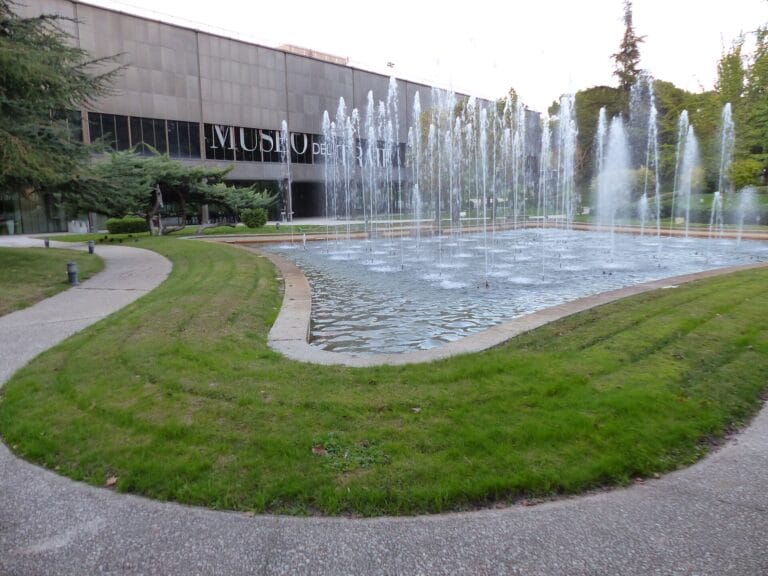
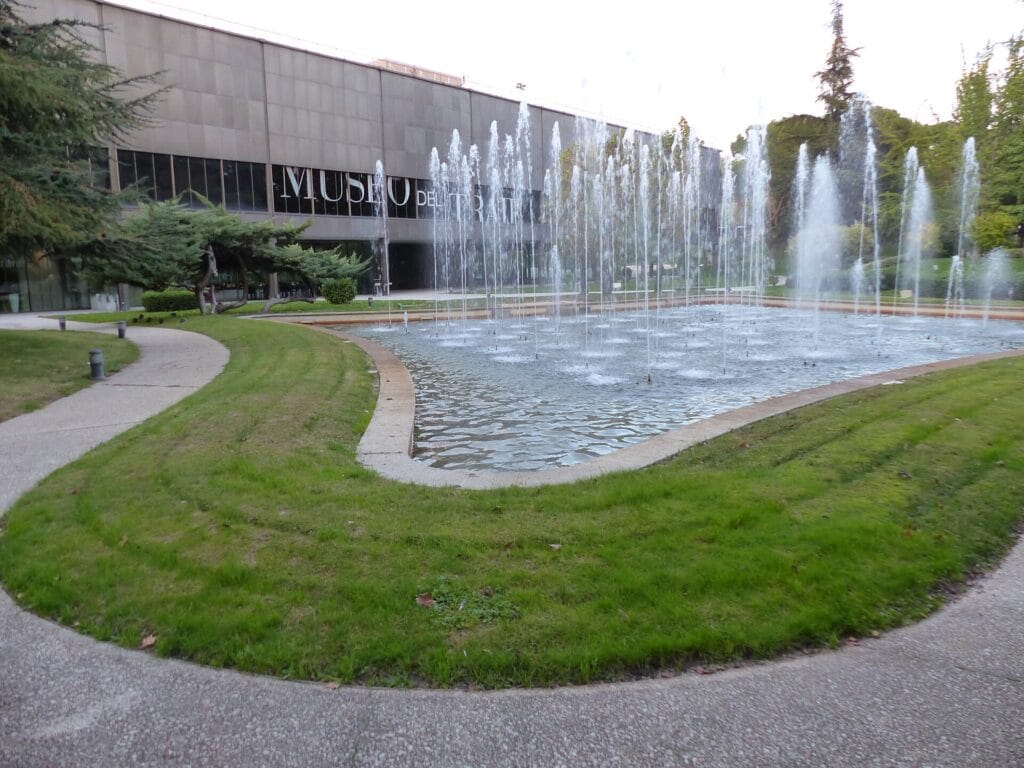
The Museo del Traje is housed in a modern building situated in Madrid’s Ciudad Universitaria district. The architecture is functional, with ample space designed for the display of clothing and related objects under controlled environmental conditions necessary to preserve delicate textiles. The interior includes gallery rooms organized by chronological and thematic sections, allowing visitors to follow a coherent narrative through Spanish dress history.
The location may feel somewhat removed from the city’s central tourist districts, which can affect visitor flow. This setting has both advantages and limitations: while it provides a quieter, less congested environment for focused exploration, it may require some planning to reach by public transportation or private vehicle.
Surrounding the museum are open spaces and university buildings, which might appeal to those interested in architectural contrast or combining the visit with other cultural or educational activities in the area.
Practical Information
As museum details such as opening hours, ticketing, access for individuals with mobility needs, tour offerings, and other visitor services can change, it is recommended to consult the Museo del Traje’s official website or contact them directly before planning a visit. This ensures the most current and precise information regarding admission, any required reservations, special exhibitions, and facilities.
The museum can appeal to a broad audience, including families, students, fashion enthusiasts, and historians. However, due to the specialized nature of the displays, those without prior knowledge of fashion history may benefit from spending time reading exhibit texts or seeking guided assistance if available.
Visitors interested in photography or sketching should inquire about the museum’s policies on these activities ahead of time, as restrictions are common in historic costume collections to protect the objects.
Why Visit
Choosing to visit the Museo del Traje offers a chance to engage with an aspect of cultural heritage that is often overlooked in larger museums: the language and material practice of dress. This museum provides a clear impression of how clothing has functioned as a marker of identity, a form of artistic expression, and a symbol within Spanish history.
Its collection serves as a bridge between traditional and contemporary views of fashion, not only showing changes in fabrics and styles but also reflecting social histories—from the lives of common people to the aristocracy and the influences crossing Spain’s borders.
The museum’s focus makes it suitable for visitors who appreciate detailed craftsmanship and design, as well as those drawn to cultural history and anthropology. Comparatively, it might not satisfy those looking for an extensive contextualization of Spanish history beyond the framework of clothing, nor extensive exploration of global fashion beyond Spain and its influences.
In summary, the Museo del Traje invites careful, thoughtful viewing of garments and accessories that narrate centuries of Spanish life through dress. It also highlights the ongoing dialogue between tradition and modernity in Spanish cultural identity, rendered in fabric, form, and function. Visitors interested in fashion or cultural history should find it a unique and informative destination within Madrid’s museum landscape.