Lugdunum
Lyon, France. Lugdunum is an archaeological museum devoted to the Roman history of Lyon and its surroundings. The city, known as Lugdunum in Roman times, was a key urban center in Gaul and an early capital…
Best forMuseum lovers, culture travelers, first-time visitors
Setting / nearbyLyon, France
Overview
Lugdunum is an archaeological museum devoted to the Roman history of Lyon and its surroundings. The city, known as Lugdunum in Roman times, was a key urban center in Gaul and an early capital under the Roman Empire. The museum concentrates heavily on this early period, offering insight into urban planning, daily life, and governance during the Roman era in this part of France. It aims to portray how the city emerged from its origins to become a major Roman settlement through its archaeological findings and research.
Collection Highlights
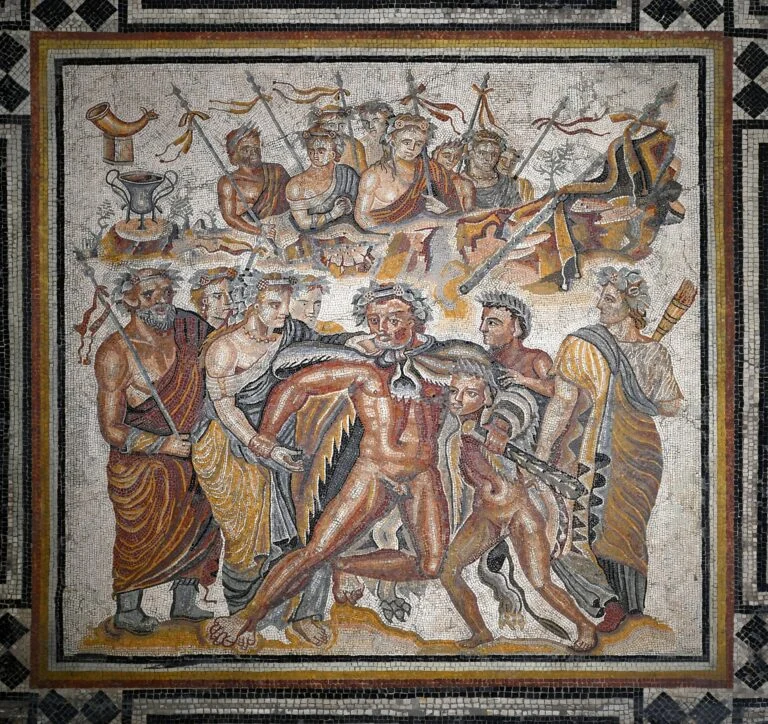
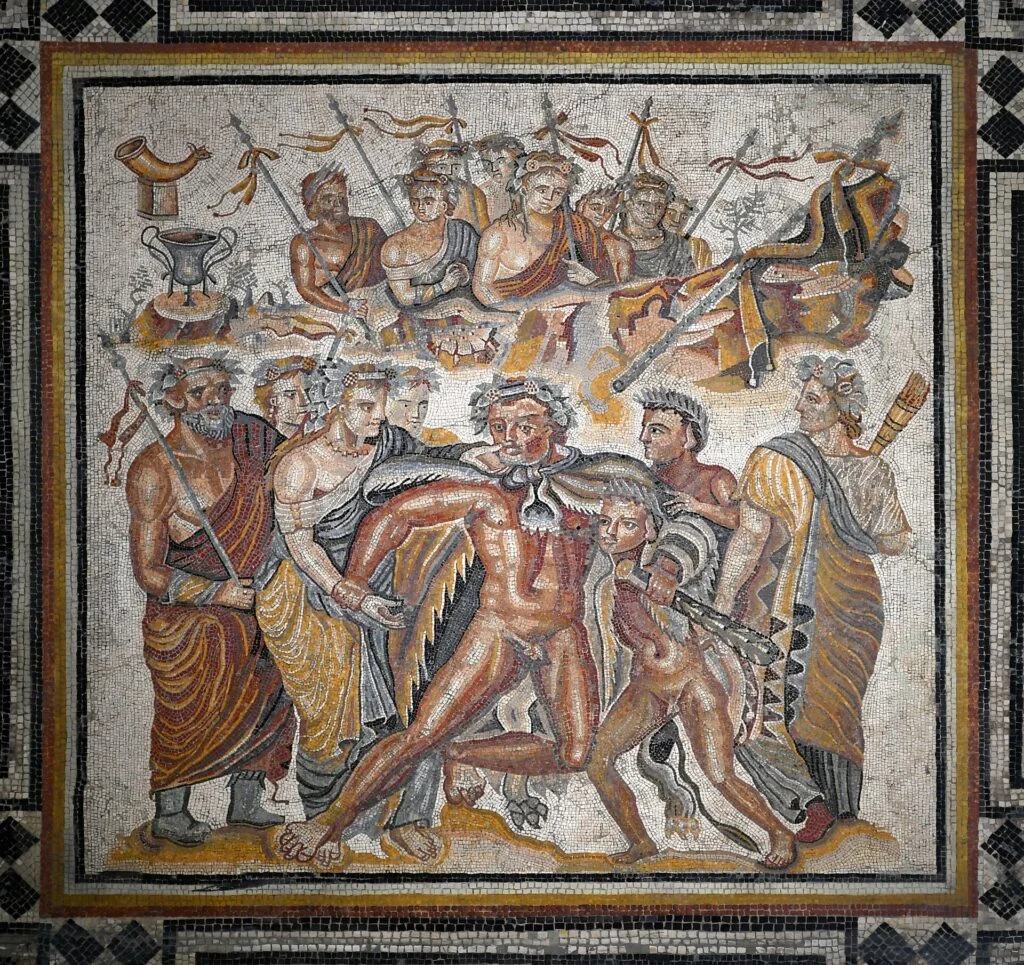
The core of the museum’s collection consists of artifacts excavated from Lyon and nearby Roman sites. These include a broad range of objects such as coins, inscriptions, and domestic items like pottery and tools that illuminate aspects of daily living. One can also see fragments of architectural decoration, including stone reliefs and frescoes that once adorned public and private buildings.
Significant attention goes to sculptures and funerary monuments. The museum holds funerary steles and sarcophagi that offer insight into funerary customs and social hierarchy. Statues of emperors and gods reflect the religious and political life of the city’s inhabitants. Inscriptions reveal official decrees, religious dedications, and epitaphs that help piece together social and legal structures.
The museum’s presentation includes models and reconstructions that outline the urban layout of Roman Lyon, indicating where key institutions such as the forum and the theater stood. The nearby Roman theater remains itself appear alongside displays explaining their construction and use, grounding the objects in their original architectural setting.
Building and Setting
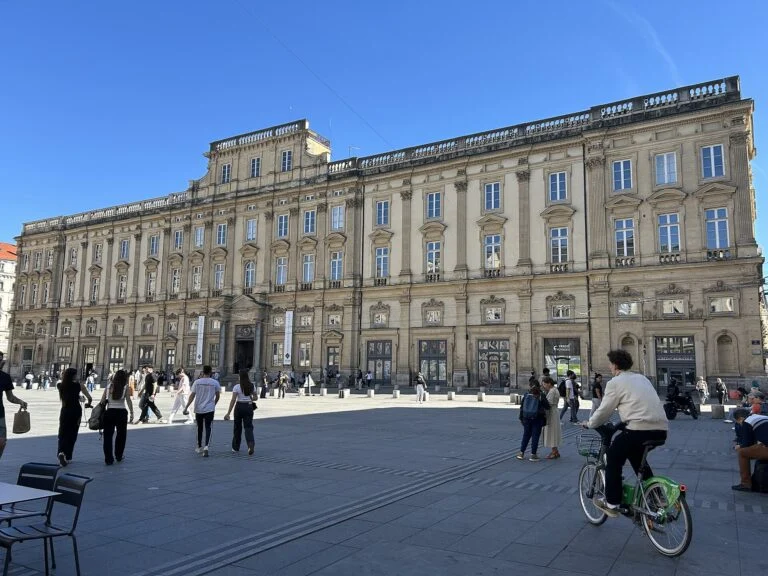
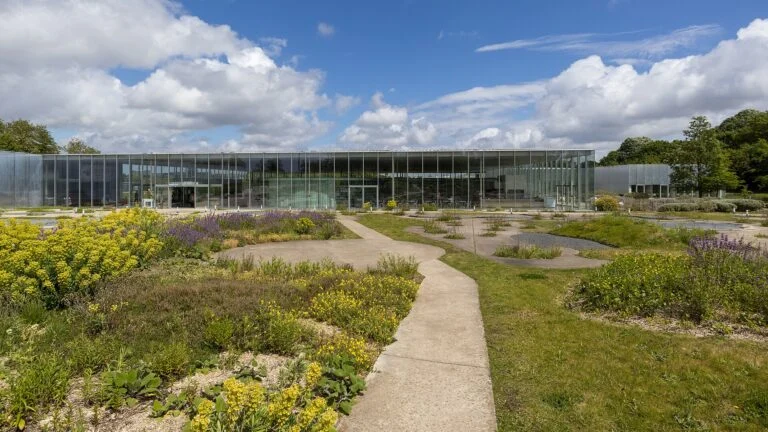
Lugdunum occupies a modern building specifically designed as an archaeological museum. The site stands on the hill of Fourvière, a location that commands views over the city and corresponds to the ancient Roman settlement’s core area. Its elevated position gives a geographical context for the Roman origins of Lyon.
The museum also has close connections to nearby archaeological remains, chiefly the Roman theater, which lies just outside. Visitors can combine museum displays with a visit to the site, where well-preserved terraces and seating rows survive. This proximity strengthens the museum’s focus on archaeology by offering direct access to physical remains alongside the curated collection.
Practical Information
Current details about opening hours, ticket prices, accessibility, and available services should be checked on the museum’s official website. This is advisable as seasonal changes, temporary closures, or special exhibitions may affect visitor arrangements. The website will also provide updated information on tour availability and any guided visits if offered.
Why Visit
The museum suits those interested in Roman urban history and archaeology, especially with a regional focus. Its strength lies in the concentration on local findings rather than broader Roman empire topics, which means visitors gain a clear understanding of how a specific city developed and functioned in the imperial period.
Lugdunum’s connection to actual Roman ruins nearby is a distinct advantage, as it allows visitors to link objects to their original locations and functions in the city layout. This can deepen appreciation of the scale and complexity of Roman urbanism.
That said, if you are looking for a broad survey of Roman civilization or art, the museum is narrower in scope, centred on Lyon’s archaeological record. It delivers depth rather than wide coverage. The exhibits are largely archaeological and historical rather than artistic or ethnographic, which may shape interest accordingly.
The museum can be particularly helpful for those seeking to understand provincial cities within the Roman world rather than capital cities like Rome itself. It puts the spotlight on local life in a major but provincial city, which is less frequently featured outside of academic publications or specialized museums.
For visitors already familiar with Roman history or archaeology, the museum offers concrete, detailed material that complements broader studies. For others, its focus on one city’s transformation through Roman power can provide an accessible and manageable introduction to the material culture and urban history of antiquity.
Checking practical details before planning a visit will ensure awareness of any temporary exhibits or programming that might affect the experience. The museum stands as a reminder that much remains to be learned from provincial archaeology about the Roman Empire’s reach and its urban legacies in Europe.