Musée des Beaux-Arts de Lyon
Art Museums · Lyon, France. The Musée des Beaux-Arts de Lyon is an art museum located in Lyon, France, within one of the city’s prominent historic buildings. It stands among the significant cultural institutions in the region, dedicated primarily…

Best forArt lovers, visual culture, architecture
Setting / nearbyLyon, France
Overview
The Musée des Beaux-Arts de Lyon is an art museum located in Lyon, France, within one of the city’s prominent historic buildings. It stands among the significant cultural institutions in the region, dedicated primarily to fine arts. The museum aims to present a broad spectrum of artworks, spanning several centuries and various artistic movements, reflecting both French and European traditions. It finds itself in a strong position to serve visitors seeking a substantial and concentrated experience of painting, sculpture, decorative arts, and antiquities.
The museum’s identity is defined by its long history as a repository for visual art, gathering pieces that illustrate art history from ancient times through more modern periods. It recognizes its role in supporting cultural education and appreciation through preservation, exhibition, and often scholarly interpretation of its collections. Visitors can expect a conventional art museum experience focused on paintings and sculptures, placed alongside a well-curated collection of other art forms that contribute to understanding historical and aesthetic continuity.
Collection Highlights
The Musée des Beaux-Arts de Lyon’s collection is noteworthy for its range and depth, especially in painting and sculpture. It includes canvases that cover the Renaissance through to more contemporary styles, with a special emphasis on French and European masters. The breadth means that visitors encounter works by various artists who contributed to defining styles and trends over the centuries. The painting collection is likely the most extensive among the holdings, often highlighting key periods such as the Renaissance, Baroque, and 19th-century academic painting.
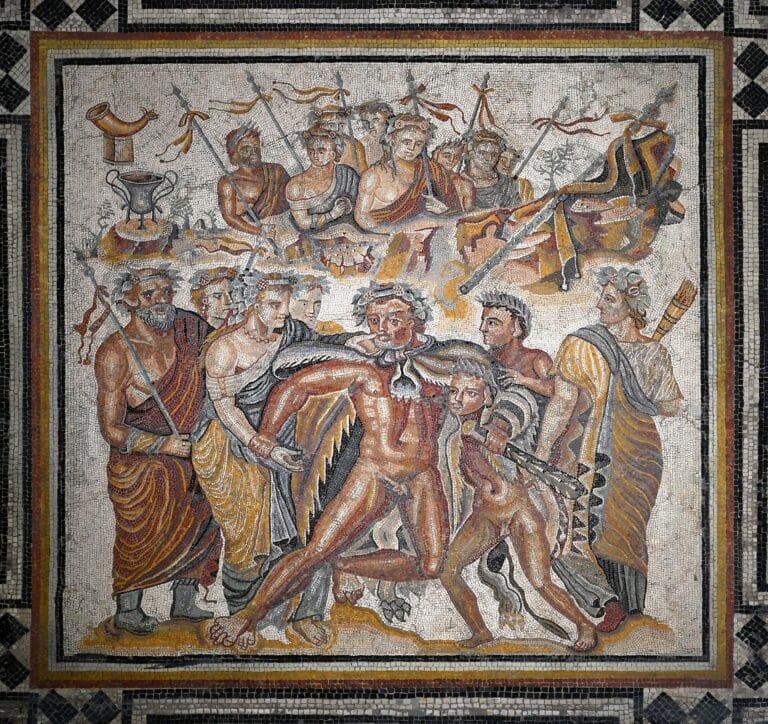
In addition to paintings, the museum holds a considerable number of sculptures that complement the painted works. These pieces help to articulate the three-dimensional development of form and thematic content across time. Decorative arts and objects of antiquity enhance the museum’s narrative about artistic production and design traditions. This combination offers interesting contrasts and invitations for comparison across media and time periods.
Among notable strengths, the museum can present an array of works by well-known artists of various nationalities. Some areas of the collection focus on Old Masters, emphasizing artistic techniques and historical contexts that shaped European art. The decorative arts section includes ceramics, craftsmen’s work, and other pieces that illustrate everyday applications of artistic creativity alongside fine art.
While the collection’s diversity is a strong point, the museum does not concentrate exclusively on modern or contemporary art, so visitors interested solely in the newest art trends might find the focus less relevant. The museum’s approach is more classical and historical, which suits those with an interest in detailed exploration of art history traditions.
Building and Setting
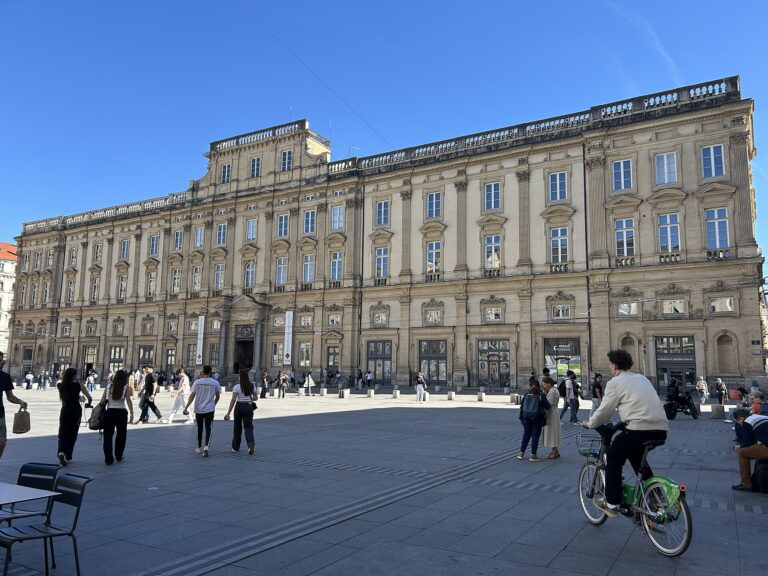
The museum operates within an architecturally distinct building in Lyon, a city known for its layered historical heritage. The structure itself reflects the period in which it was established as an art institution, with features that can be appreciated by architecture enthusiasts. It occupies a central and accessible urban location, integrated into the city’s broader cultural landscape. The rhythm and flow of the galleries are designed to accommodate the arrangement of diverse objects and artworks, providing a logical progression through different periods and styles.
Its setting within a historic building adds an atmospheric layer to the experience, complementing the artworks on display by situating them within a context of preserved architecture. However, this positioning can sometimes mean spatial constraints are felt, as older buildings may not always allow for the expansive exhibition spaces that newer, purpose-built museums might offer.
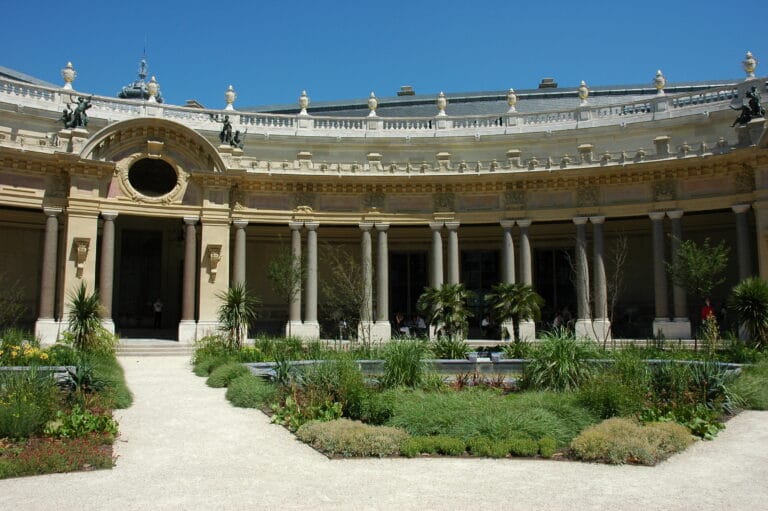
The museum’s grounds and immediate surroundings, part of Lyon’s intricate urban fabric, contribute to the overall visitor experience. The presence of other cultural and historic landmarks nearby means that combining a visit here with exploration of the city’s heritage can be rewarding, depending on one’s interests and available time.
Practical Information
Before planning a visit, it is advisable to check the museum’s official website for the latest information regarding opening hours, ticketing policies, temporary exhibition schedules, and access conditions. These details can change seasonally or in response to special events and public health guidelines.
The museum tends to serve a broad audience, including individual visitors, families, students, and groups with educational interests. It may have facilities and amenities suitable for visitors looking to spend several hours experiencing the exhibitions. However, specific visitor services such as guided tours, audio guides, or educational workshops vary and should be confirmed directly with the museum.
Those with mobility considerations should verify accessibility options, as historic buildings often face challenges in this regard. While efforts may have been made to improve access, older architecture can sometimes limit barrier-free movement.
Location in the city is convenient for travelers staying in central Lyon, with public transport and other city infrastructure likely facilitating easy access. Parking availability and other logistical considerations are best checked on official platforms, especially for those driving to the museum.
Why Visit
The Musée des Beaux-Arts de Lyon offers a focused journey through European art history, particularly valuable for visitors interested in fine art from the Renaissance onwards. It is well-suited to those who appreciate painting and sculpture presented within a coherent historical framework. The museum’s collection is rich enough to sustain multiple visits for enthusiasts, and concise enough for a well-selected, single-session overview.
This institution contributes a nuanced perspective on artistic developments that shaped cultural heritage in a variety of forms. Its location within a historic city enhances the cultural experience by situating the art amid layers of urban history. For travelers comfortable with a methodical exploration of traditional art periods, this museum can be particularly fulfilling.
It is less suited for visitors expecting large-scale contemporary exhibitions or interactive elements common in some newer art museums. The emphasis on classical art can mean the visit is more introspective and observation-based, requiring patience and a genuine interest in art history.
Overall, the Musée des Beaux-Arts de Lyon stands as a thoughtful and established destination within France’s network of art museums. It supports a serious yet inviting atmosphere for cultural learning and visual appreciation. Prospective visitors should prepare for an experience centered on artistic mastery from centuries past, housed in a setting that reflects the historical weight of its collections and its city.