Mucem
Archaeology Museums · Marseille, France. The Mucem, or Museum of European and Mediterranean Civilisations, is located in the port city of Marseille, France. It is a museum dedicated to exploring the cultural and historical connections around the Mediterranean Sea,…
Best forMuseum lovers, culture travelers, first-time visitors
Setting / nearbyMarseille, France
Overview
The Mucem, or Museum of European and Mediterranean Civilisations, is located in the port city of Marseille, France. It is a museum dedicated to exploring the cultural and historical connections around the Mediterranean Sea, with an emphasis on dialogue between peoples and civilizations that have shaped the region. Established in the early 21st century, this museum aims to present the Mediterranean not only as a geographical area but as a dynamic space of ongoing cultural exchange and shared heritage. Its collections and exhibitions highlight different aspects of Mediterranean life, including anthropology, archaeology, ethnography, and the arts, approached from a broad and inclusive perspective.
Mucem is often described as a museum of civilizations or a cultural museum, focusing on how Mediterranean cultures have interacted over the centuries through migration, trade, religion, and daily life. It combines historical artifacts, contemporary art, and multimedia displays, making it a site where the past and present meet. The museum’s narrative avoids a purely nation-centric view and instead encourages visitors to consider the Mediterranean as a fluid, multicultural area with both historical continuities and transformations.
Collection Highlights
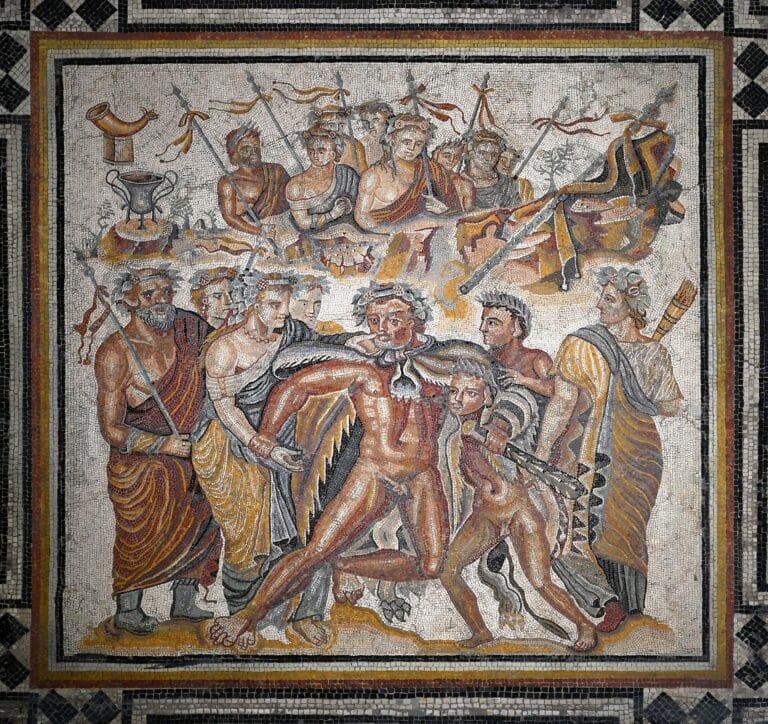
The museum’s collection covers a wide chronological and thematic range. It includes archaeological finds that document early Mediterranean history, such as ancient pottery, tools, and sculptures. These items often come from various civilizations around the sea, reflecting the connections between societies like the Phoenicians, Greeks, Romans, and others that shaped the region. The archaeological aspect provides a foundation for understanding the deep historical layers of Mediterranean life.
In addition to ancient artifacts, Mucem collects ethnographic objects and material culture that represent the everyday traditions of Mediterranean communities. This aspect covers subjects like textile arts, traditional costumes, domestic objects, and ritual items, highlighting diverse cultural practices from coastal and inland areas. These items help to illustrate the ongoing cultural exchanges across the Mediterranean basin, how communities have preserved or adapted their customs, and the role of the Mediterranean in cultural globalization.
Contemporary art is also a component of Mucem’s collection strategy. The museum includes works by modern artists who address Mediterranean identity, migration, environment, and social issues. These art pieces provide fresh perspectives and engage with current themes related to life in the Mediterranean today. This blend of historical and contemporary material distinguishes Mucem and offers visitors a more comprehensive understanding of Mediterranean civilization as both a heritage and a living reality.
Temporary exhibitions at Mucem often explore specific topics or themes related to Mediterranean culture, history, or arts. These exhibitions can be quite varied, ranging from archaeological discoveries to contemporary social debates, and they supplement the permanent collection by providing deeper or alternative viewpoints.
Building and Setting
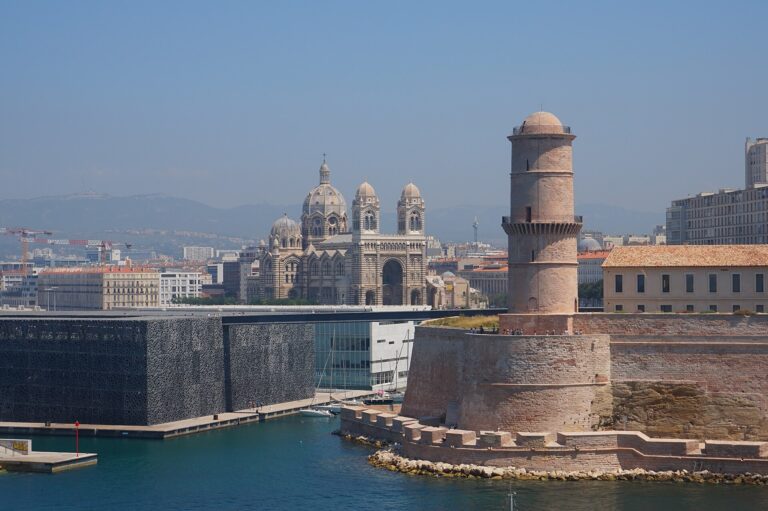
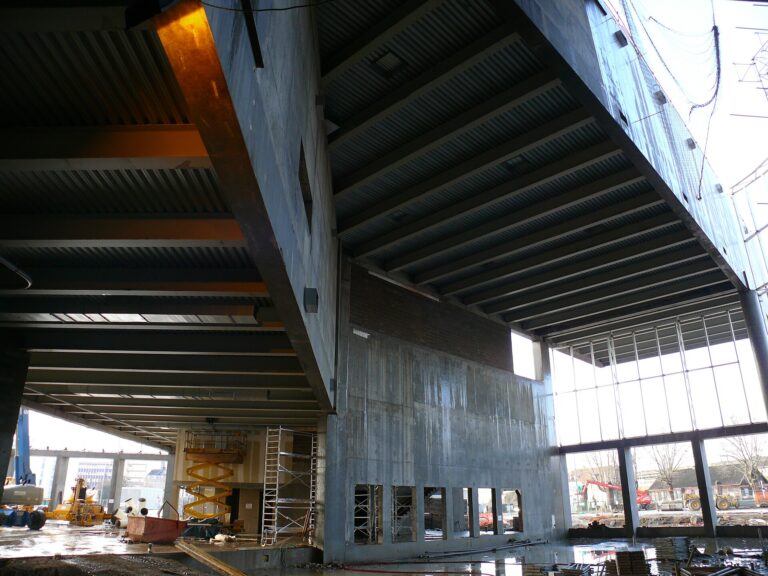
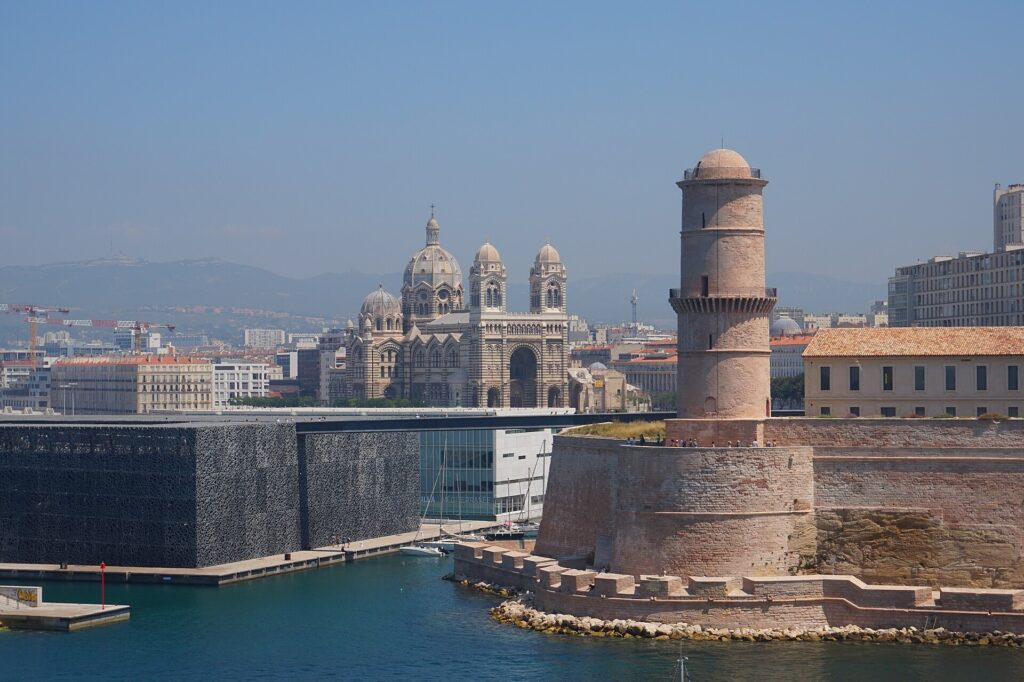
Mucem stands prominently at the entrance to the Old Port of Marseille, combining modern and historic architecture. It occupies two main parts: a new building designed with contemporary materials and a 17th-century fortress called Fort Saint-Jean, which has been restored and integrated with the museum spaces. The juxtaposition of old and new structures reflects the museum’s mission to link the past and present of the Mediterranean.
The newer building features a lattice-like façade inspired by Mediterranean design motifs that create interesting light effects and partially transparent walls looking out toward the sea. Its location on the waterfront enhances the sense of connection to the Mediterranean environment. The Fort Saint-Jean includes exhibition spaces, gardens, and terraces offering views over the port and the city.
The museum’s setting at the Old Port makes it accessible within Marseille’s historical and urban context, providing a vantage point for visitors to connect the museum experience with the maritime and city life around it. Nearby attractions include the historic port itself, local markets, and other cultural institutions, which together form a cultural district in this part of Marseille.
Practical Information
Before planning a visit, it is recommended to check the museum’s official website for the most current information, including opening hours, admission fees, and any special provisions regarding guided tours or accessibility. Such details can change seasonally or due to special events, and it is best to confirm before arrival.
Visitors should allow sufficient time to explore both the permanent collection and any temporary exhibitions. The museum’s layout, spread across the fortress and the modern building, involves some walking and the use of ramps or elevators where available. Those with mobility challenges are advised to consult accessibility information directly from official sources.
Mucem’s location near the Old Port is generally well connected to public transport in Marseille. However, parking options and arrangements can vary, so visitors using private vehicles might want to investigate nearby parking facilities in advance. Amenities such as cafés, rest areas, and a museum shop may be available on site, though specific details should be confirmed.
Why Visit
The Mucem stands out for its thematic focus on Mediterranean civilizations as a shared and evolving space rather than as isolated national histories. It appeals particularly to those interested in cultural history, archaeology, anthropology, and the dynamics of migration and interaction across one of the world’s most historically complex regions. The museum’s approach facilitates a deeper understanding of how cultures influence one another, how identity is shaped by geography and history, and how the Mediterranean continues to be a place of cultural mixing.
While the collection may not cover every Mediterranean country exhaustively, it offers a significant and often thoughtfully presented selection that challenges simplistic or monolithic views of Mediterranean culture. The inclusion of contemporary art and social themes also makes it relevant to today’s visitors who want to connect historical experiences with modern realities.
Visitors seeking a purely traditional art museum or one focused strictly on French or regional Provençal heritage might find Mucem’s broader Mediterranean scope less specific than anticipated. However, for those curious about cultural exchanges over time and the diversity that defines the Mediterranean region, the museum provides rewarding insights.
Finally, the architectural setting adds an extra layer to the experience. The dialogue between the fortress and the modern construction mirrors the museum’s intellectual mission. The outdoor spaces, views over the port, and proximity to other cultural attractions in Marseille offer plenty of opportunity to extend the visit beyond the galleries.
In summary, Mucem invites visitors to engage with the Mediterranean’s layered identities and histories through a compelling combination of past and present, creating a culturally rich experience distinct to Marseille’s unique place on the Mediterranean coast.