Lithuanian Sea Museum
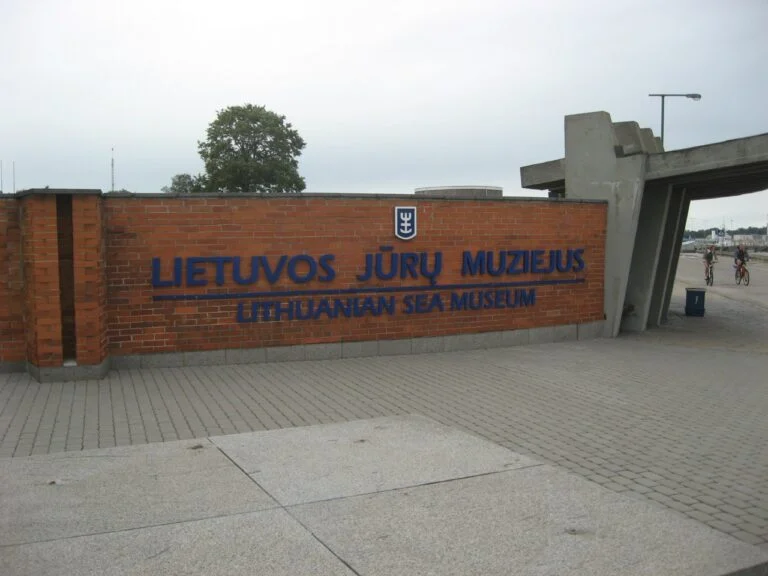
Klaipėda, Lithuania. The Lithuanian Sea Museum in Klaipėda stands apart by offering a focused look at the relationship between Lithuania and the Baltic Sea. Situated in a city with a significant maritime past, the museum centers…
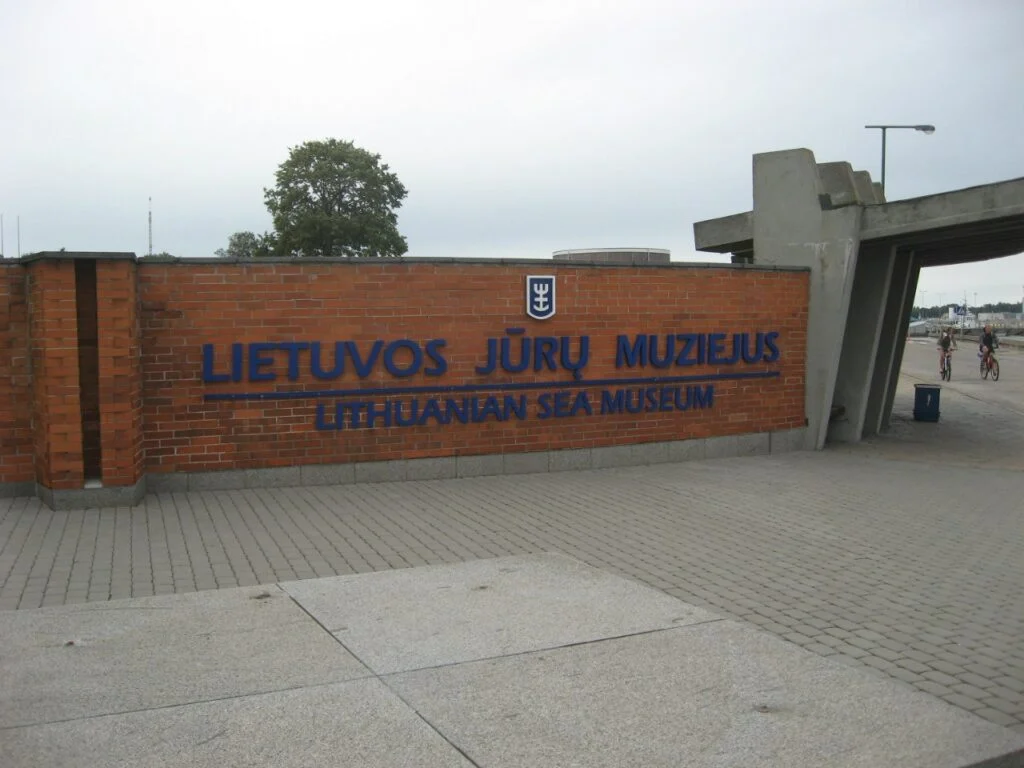
Best forMuseum lovers, culture travelers, first-time visitors
Setting / nearbyKlaipėda, Lithuania
Overview
The Lithuanian Sea Museum in Klaipėda stands apart by offering a focused look at the relationship between Lithuania and the Baltic Sea. Situated in a city with a significant maritime past, the museum centers on marine biology, nautical history, and maritime culture. Unlike broader natural history or maritime museums that might cover global or multiple sea regions, this institution channels attention into the Baltic Sea's marine environment, regional fishing industries, and the urban history connected to Klaipėda’s port activities. It is one of the few places in Lithuania dedicated strictly to maritime and marine themes, making it a specific resource for those exploring the sea's influence on local life and history.
Collection Highlights
The museum is known for its aquariums featuring marine and freshwater species native to the Baltic Sea and nearby waters. Its live exhibitions are central to the visitor experience, presenting various fish, invertebrates, and sea mammals within tanks designed to replicate their natural habitats. Among the permanent displays, seals play a notable role, with the museum maintaining a seal sanctuary. This is perhaps the most concrete and unusual concentration within the museum’s collections, focusing on observing and learning about these marine mammals.
Beyond live creatures, the museum's collections include maritime artifacts such as fishing equipment, navigational instruments, and boat models, illustrating the practical side of the Baltic’s maritime industries throughout different eras. Exhibits also touch on the development of fishing techniques and local shipbuilding traditions, reflecting Klaipėda’s historical connection to seafaring and commerce.
Sections dedicated to marine ecology explain the Baltic Sea’s environmental challenges, such as pollution and biodiversity issues, though the extent and detail of this content may vary or be periodically updated. Historical maps and photographs document Klaipėda’s transformation and maritime heritage but do not necessarily extend into large chronological or comparative displays beyond the regional context.
Building and Setting
The Lithuanian Sea Museum occupies a site at the end of the Klaipėda pier, extending into the sea itself, which allows some exhibits to be located on or near the water. The museum complex includes a main building with exhibition spaces and separate facilities for the aquariums and seal pools. Architecturally, the structures are functional rather than decorative, designed to accommodate the specific needs of housing live marine animals and related equipment.
The location on the spit facing the sea gives a clear geographical relevance to the displays, directly connecting the visitor to the maritime environment being presented. The surrounding neighbourhood is part of Klaipėda’s port area, which adds a contextual layer without overwhelming visitors with industrial clutter. The proximity to water means certain parts of the museum operate in a unique marine setting rather than a traditional urban museum space.
Practical Information
Details about opening hours, admission fees, guided tours, and accessibility are best confirmed via the museum’s official channels prior to planning a visit, as they are subject to change. The museum’s website serves as the authoritative source for current visitor information and any special notices regarding closures or facility maintenance.
General logistics such as transport links to the pier and Klaipėda’s city centre can be arranged separately. Potential visitors should be prepared for an experience that combines indoor galleries and outdoor or semi-outdoor aquarium and seal enclosures. This could influence what to wear, depending on the season.
Why Visit
This museum delivers most to those interested in marine biology and the Baltic Sea's local coastal heritage. Visitors curious about seals, in particular, will find something specific in the seal sanctuary that is less commonly encountered in regional museums. The live animal displays differentiate the visit from more standard history or marine science museums that rely exclusively on artifacts and panels.
At the same time, the focus is relatively narrow. Those seeking broad naval or global maritime history, or detailed natural history covering distant oceans, may find the scope limited. The museum’s approach is practical and educational rather than academic or exhaustive. For someone focused on Lithuanian maritime culture and especially Klaipėda’s role in the Baltic, this museum adds direct, observable marine elements alongside historical context.
Its physical setting by the sea offers a distinct connection to the subject matter but demands an openness to partially outdoor or marine-adjacent exhibition spaces. This creates a visit that is less about traditional gallery walking and more about engagement with ecological and cultural elements tied directly to the Baltic coast.
In summary, the Lithuanian Sea Museum stands out for its living collections and regional maritime focus, casting a clear lens on how Lithuania’s coastline and sea life have intersected with human activity. Visitors prepared for an experience rooted in the Baltic environment and its species will come away informed about both natural and cultural dimensions of this part of northern Europe.