Technisches Museum Wien
Science Museums · Vienna, Austria. The Technisches Museum Wien is a museum dedicated to the history and development of technology, located in Vienna, Austria. As one of the country’s primary institutions focused on technological and industrial heritage, the museum…
Best forScience, technology, hands-on learning
Setting / nearbyVienna, Austria
Overview
The Technisches Museum Wien is a museum dedicated to the history and development of technology, located in Vienna, Austria. As one of the country’s primary institutions focused on technological and industrial heritage, the museum offers a wide-ranging look at inventions, machines, and scientific principles that have shaped modern life. It serves both as a repository of historical artifacts and as an educational resource presenting technology’s role in society.
The museum’s scope extends beyond a narrow focus on any single type of technology. It covers areas from mechanical engineering and industrial machinery to transportation and communication technologies. This broad remit reflects the museum’s aim to trace the evolution of technology in ways that connect past innovations with contemporary and future challenges. Its location in Vienna, a city with an industrial history and tradition of scientific research, situates the museum in a context with meaningful ties to European technological progress.
Visitors can expect a balance between preserved historic objects and explanatory exhibits that illustrate technological principles and their applications. The presentation style tends to combine detailed, factual information with attempts to engage diverse audiences, from casual visitors curious about inventions to enthusiasts with deeper knowledge of engineering history.
Collection Highlights
The museum’s collection covers a variety of technological fields, emphasizing the mechanical and industrial heritage of Austria and the wider German-speaking world. Among the highlights are numerous machines and instruments representing developments from the 19th and 20th centuries.
One significant part of the collection includes early industrial machinery such as steam engines and related equipment. These displays reflect the era when mechanized production was transforming society, marking the transition from artisanal methods to factory-based manufacturing. The engines on display not only demonstrate the mechanics involved but often include contextual information on how such technology impacted working life and economic structures.
Another focus area is transportation technology. The museum features vehicles and models illustrating the evolution of rail transport, aviation, and automotive technology. Exhibits may include historic locomotives and early airplanes, emphasizing progress and engineering advances over time. These displays can be of particular interest to those who appreciate the mechanical aspects of transportation, as well as the historical narratives tied to mobility.
Communication and media technology also find space in the collection. The museum traces the development of telegraphy, telephony, and early broadcasting equipment, showing how information transmission evolved. This shows the increasing interconnectedness of society and the technological enablers behind that shift.
The museum also addresses scientific instruments and experimental apparatus, often related to physics and electrical engineering. These parts of the collection illustrate foundational principles and experimentation that led to technological breakthroughs.
The exhibits are generally well-documented and include explanatory labels that provide technical details, historical context, and, in some cases, profiles of key inventors or companies. There may be interactive or demonstrative elements designed to clarify complex mechanisms.
Building and Setting
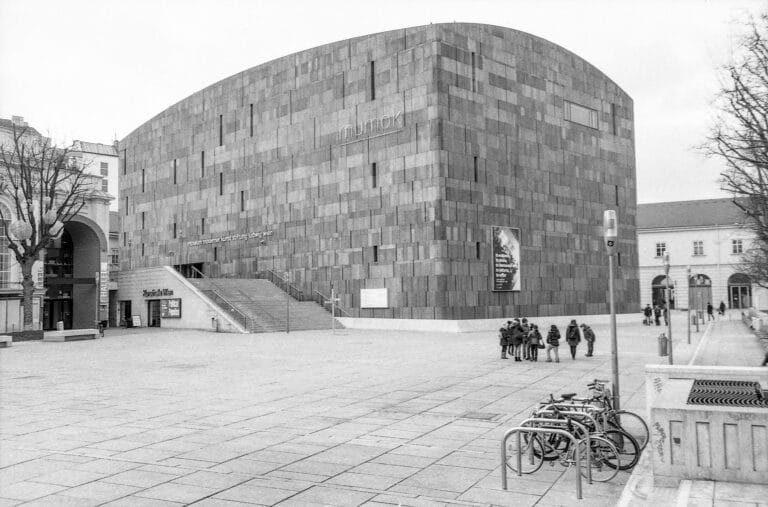
The Technisches Museum Wien is housed in a building designed specifically for the purpose of displaying technological collections. Its architecture reflects its industrial focus with a robust, functional design aligned with early 20th-century museum construction practices. The building’s scale allows for large machines and exhibits requiring significant space.
Situated within Vienna, the museum benefits from the city’s rich cultural landscape but is located somewhat outside the historic city center. This means while it is accessible, visitors should plan their route carefully, especially if relying on public transportation.
The museum’s exhibition spaces are organized to allow a logical flow through thematic and chronological sections, making it possible to follow the development of technology in a coherent manner. Its layout supports exploration and, depending on visitor interests, the choice to focus on particular thematic areas.
Practical Information
For those intending to visit the Technisches Museum Wien, up-to-date practical details such as opening hours, ticket options, and available services should be confirmed on the museum’s official website or trusted tourism information channels. The museum serves a wide audience, including families, students, and specialists, so there may be facilities or programming aiming to accommodate different visitor groups.
Since the museum includes larger industrial objects, some areas may be less suitable for visitors with limited mobility, but official sources should be checked for the latest information on accessibility.
Visitors looking for guided tours, audio guides, or temporary exhibitions should also check ahead, as availability and scheduling can vary.
Why Visit
The Technisches Museum Wien offers a distinct perspective on the history and impact of technology, especially within a European context. It is particularly valuable for those interested in mechanical engineering, industrial history, and technological innovation. The museum presents technological progress not only as a series of inventions but also as a process influenced by social, economic, and scientific factors.
Visitors with an interest in how industrial and communication technologies developed during the 19th and 20th centuries will find much to explore here. The museum’s installations provide concrete examples and allow for a deeper understanding of how these technologies function and their broader consequences.
While it is a specialized institution, the museum’s attempt to present information clearly makes it accessible beyond purely technical audiences. It can appeal to families, educators, and those curious about the tools and machines that underpin modern life. However, individuals expecting contemporary science center-style interactivity or digital displays may find the approach more traditional.
In summary, the Technisches Museum Wien is a well-established institution focused on preserving and interpreting the technological heritage that shaped modern society. Its collections and exhibits offer insight into past technological achievements and encourage reflection on ongoing innovation and challenges. Visitors interested in technology history will likely find it rewarding, provided they seek out current visitor information to plan their visit thoughtfully.