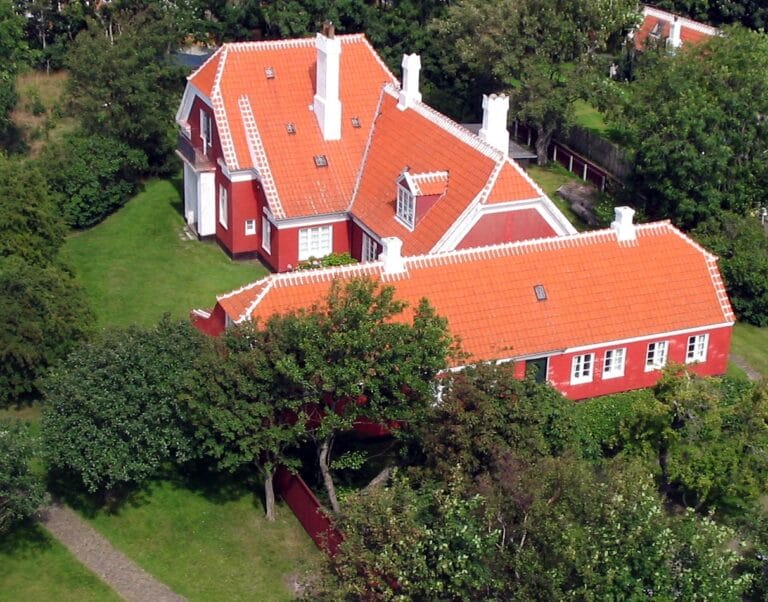
Kystmuseet
Kystmuseet in Skagen, Denmark, is a local history museum devoted to the maritime, fishing, rescue, and everyday coastal life that shaped the.
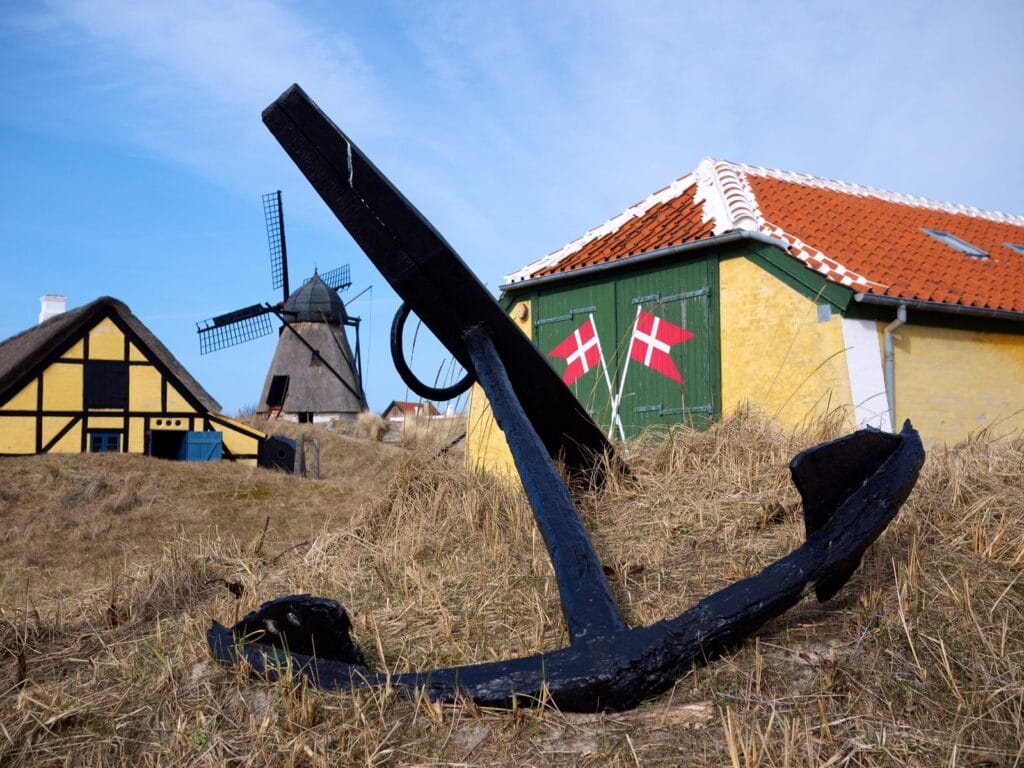
Best forMaritime history, ships, harbour heritage
Setting / nearbyEurope
Overview
Kystmuseet in Skagen offers a distinctive exploration of the town’s maritime heritage and coastal life, focusing on the hardworking communities whose lives revolved around the sea long before Skagen gained international fame for its art and picturesque scenery. Rather than centering on the well-trodden narrative of painters and tourist charm, the museum illuminates the everyday realities of fishermen, rescue crews, shipping workers, and their families. It presents a grounded historical perspective that reveals Skagen as a place shaped by labor, adaptation, and the challenges of living on Denmark’s northernmost coast. By balancing open-air settings with traditional exhibitions, Kystmuseet invites visitors to step into the material world of past generations, offering an immersive experience that deepens understanding of the town’s roots beyond its cultural fame.
Collection Highlights
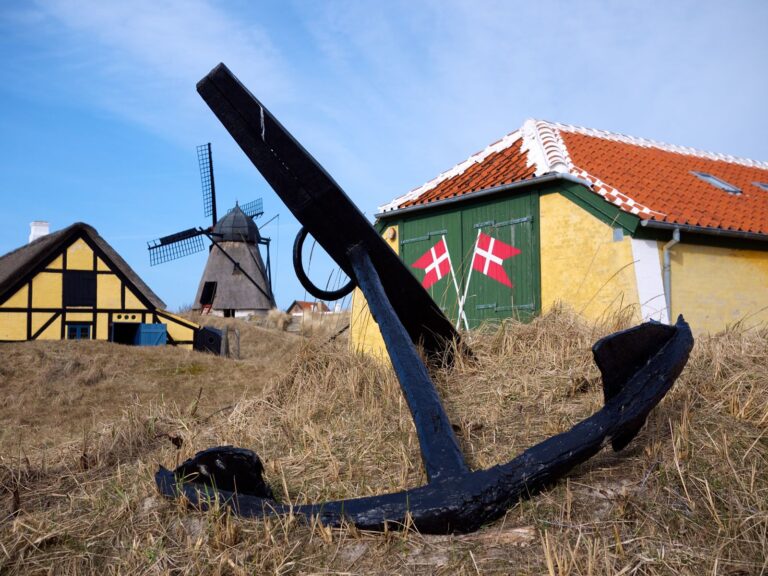
One of Kystmuseet’s notable strengths lies in its thoughtful blend of reconstructed historical buildings and thematic exhibitions, which together narrate the evolution of local life across three distinct periods in Skagen’s history. This chronological framework allows visitors to observe changes in domestic environments, material culture, and social identity over time, giving concrete form to the town’s social history. The museum’s collections prominently feature maritime-related themes, including fishing, rescue services, and shipping—sectors that have been central to Skagen’s livelihood and identity. Particularly compelling are displays associated with maritime rescue operations, showcasing medals, equipment, and lifeboat artifacts that highlight the bravery and practical skills required to confront the northern coast’s hazards. These items lend authenticity and emotional resonance to stories often romanticized in local lore. Beyond maritime topics, the museum also dedicates attention to the rhythms of everyday life—homes, tools, work practices, and community structures—through its carefully curated reconstructed houses. This focus on ordinary people and their environments anchors the museum firmly in community history rather than spectacle. Moreover, the collection touches on Skagen’s broader historical development, allowing visitors to appreciate the town as a dynamic, lived-in place with multiple layers of identity rather than a single, art-centric narrative.
Building and Setting
The open-air character of Kystmuseet is central to its effectiveness as a local history museum. By allowing visitors to move freely among reconstructed houses and outdoor spaces, the museum creates an authentic atmosphere strongly connected to the environment and climate of the northern Danish coast. This sense of place is especially meaningful given the museum’s focus on fishing, rescue work, and coastal livelihoods, all of which are deeply influenced by weather, landscape, and built surroundings. Rather than relying on grand architecture, Kystmuseet’s strength lies in its historical texture and atmospheric presentation. The outdoor setting enhances the interpretive experience by fostering a tangible connection to the past, making it easier to imagine daily life and labor in Skagen through the centuries. Situated within the town itself, the museum complements Skagen’s other attractions by offering a more inclusive picture of the community. For visitors drawn to the coast for its natural beauty or artistic heritage, Kystmuseet provides a vital context by foregrounding the maritime traditions and social history underlying the town’s identity.
Practical Information
To fully appreciate Kystmuseet, visitors should allow sufficient time to explore both its open-air sections and indoor exhibitions at a comfortable pace. The detailed reconstruction of homes, tools, and maritime apparatus benefits from attentive viewing and thoughtful consideration, rewarding those who engage with the museum beyond a cursory visit. It is particularly well suited to individuals interested in local history, maritime culture, and the social fabric of coastal communities, as well as families seeking an accessible and engaging introduction to Skagen’s past. Because opening hours may vary seasonally, prospective visitors are advised to consult the official website or contact the museum directly to confirm current visiting times before planning their trip. Positioned close to Skagen’s main cultural sites, Kystmuseet complements a broader itinerary by providing historical depth that contrasts and enriches the town’s better-known art-focused attractions.
Why Visit
Kystmuseet stands out as an essential destination for anyone wishing to gain a fuller understanding of Skagen beyond its celebrated artistic legacy. By showcasing the lives, labor, and maritime skills of coastal communities that preceded and laid the groundwork for later fame, the museum reveals a vital and often overlooked dimension of the town’s history. Its open-air format combined with carefully curated exhibitions creates an engaging and atmospheric experience that helps visitors connect meaningfully with the stories presented. This approach fosters a sense of place that lingers beyond the visit, making the historical narratives accessible and memorable. For travelers seeking a rich, authentic portrayal of Skagen as a working coastal town, Kystmuseet is a valuable and rewarding choice. It enriches the visitor’s overall appreciation of the area by highlighting the courage, resilience, and everyday lives that shaped this unique northern Danish community.