Køge Museum
Køge, Denmark. Køge Museum is a local history museum located in the town of Køge, Denmark. The museum is devoted primarily to preserving and presenting the cultural heritage and everyday life of Køge and its surrounding…
Best forMuseum lovers, culture travelers, first-time visitors
Setting / nearbyKøge, Denmark
Overview
Køge Museum is a local history museum located in the town of Køge, Denmark. The museum is devoted primarily to preserving and presenting the cultural heritage and everyday life of Køge and its surrounding region. It aims to offer visitors insight into the town’s development, its economic and social history, and aspects of daily life from earlier centuries to more recent times. The museum’s story typically focuses on the local context, tracing how Køge evolved through its maritime connections, market town status, and regional influences. This makes it a place well suited for those interested in understanding Danish provincial history on a human scale rather than through broad national narratives.
Collection Highlights
The core of Køge Museum’s holdings consists of artifacts, documents, photographs, and displays that draw from the town’s rich history. Visitors can expect to see items related to Køge’s role as a market town, such as merchant records, trade goods, and examples of local crafts and tools. These reflect how the town functioned as a center for commerce and artisanal work in earlier centuries.
The museum also highlights aspects of domestic life. Exhibits showcase traditional household objects, clothing, and furniture, helping to recreate the living environments of Køge’s past residents. This reveals much about social structures, family life, and local customs, giving visitors a tangible connection to the personal histories of the area.
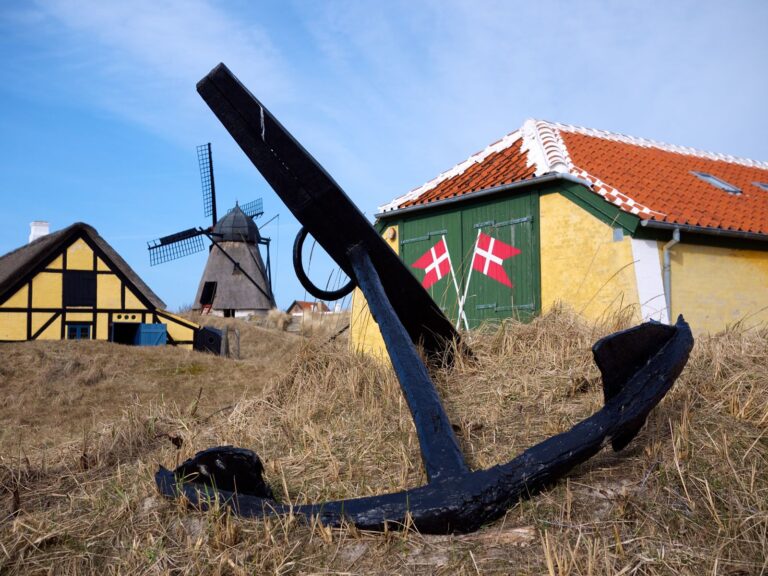
Because Køge has a maritime heritage, the museum includes displays related to fishing, shipping, and other coastal occupations. Artifacts connected to boatbuilding and navigation sometimes appear, contextualizing how the sea shaped both the economy and lifestyle in this part of Denmark.
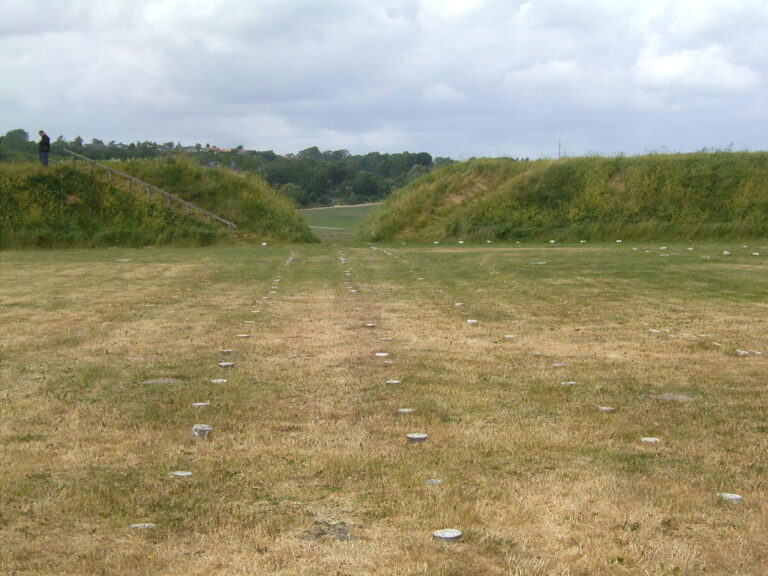
There is likely an archaeological dimension to the collection, with items recovered from the town and surrounding landscape, reflecting earlier settlement patterns. These may include tools, pottery or everyday objects that help piece together the long arc of local history.
While the museum’s collection specializes in local provenance, it is notable for the way it blends social, economic, and material histories. It offers a coherent narrative of community life over several centuries, rather than focusing narrowly on any single epoch or theme.
Building and Setting
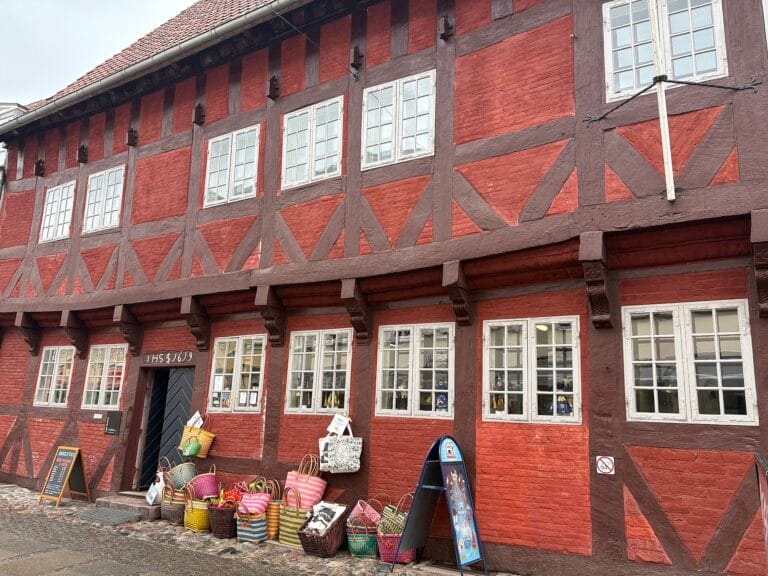
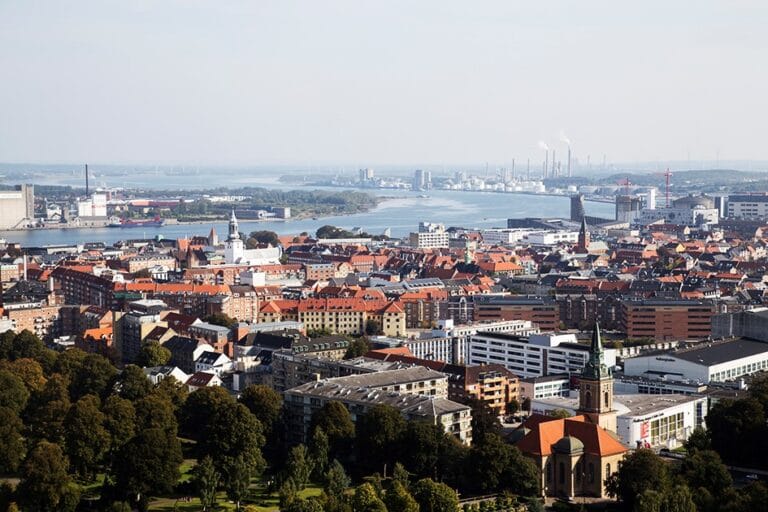
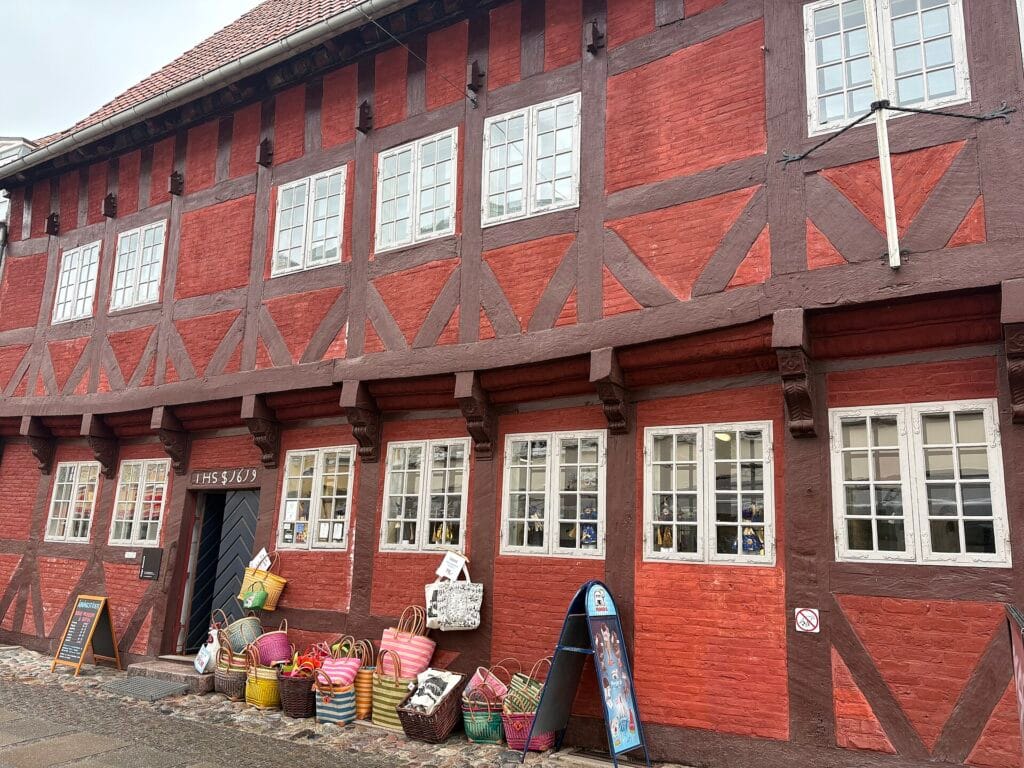
Køge Museum is located within the town of Køge, itself a place with a noteworthy blend of historical charm and contemporary life. The museum buildings are adjacent to or arranged around period structures that contribute to the atmosphere. The setting allows visitors to feel connected to the town’s historical environment as they move through the exhibits.
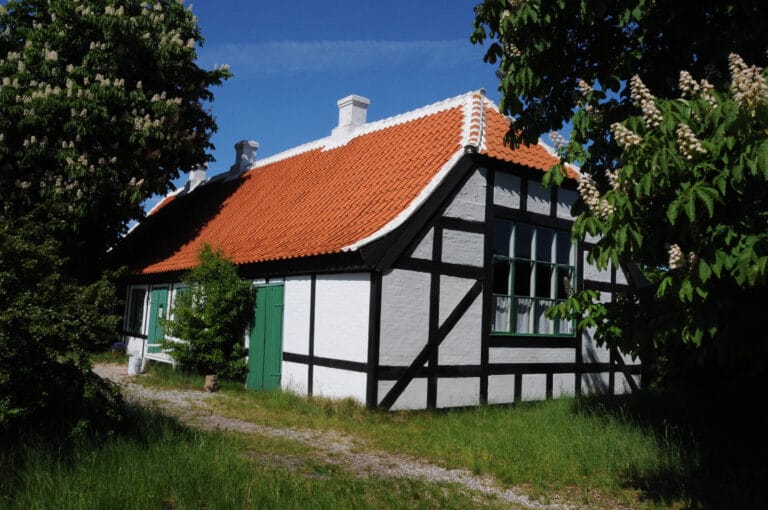
The architecture of the museum may include preserved or restored buildings from the town’s past along with modern spaces designed to accommodate exhibitions. These structures help situate the collection in a real-world context and underscore the material continuity between Køge’s history and the present day.
The museum’s location in the center or a historically significant district of Køge means it is accessible to visitors exploring the town’s streets. This setting naturally complements any visit focused on heritage and the built environment, offering potential opportunities to extend the exploration beyond the museum walls to the nearby historic streets and landmarks.
Practical Information
Visitors planning to explore Køge Museum should refer to the official website or contact the museum directly to check for the most current and detailed information. This includes opening hours, admission fees, the availability of guided tours, audio guides, group visits, and any special exhibitions or events.
Details about accessibility and amenities such as parking, cafés, or shops may vary, so verifying these in advance will help ensure a smooth visit. The museum’s layout and the way displays are arranged might influence how long a visitor spends on site, and checking for visitor recommendations can give a useful sense of the experience.
Planning ahead is particularly useful during holiday periods or in summer when local tourism may increase. Confirming public transport connections or parking options in Køge can assist those arriving independently by car or public transit.
Why Visit
Køge Museum holds appeal primarily for those interested in the detailed local history of a Danish market town. Rather than collecting broad national stories or international art, it focuses on the lives of residents, the trades they worked in, and how tradition and change have shaped the community. For visitors who value tangible connections to everyday life, the museum offers a grounded experience.
The combination of material culture, historical narratives, and the contextual setting helps highlight the multiple layers that form Køge’s identity today. This makes it relevant to both local residents wanting to deepen their understanding of their home and visitors looking to appreciate Denmark beyond its bigger urban centers.
Given that its collections concentrate on regional subjects, the museum’s scope might feel relatively narrow for those seeking sweeping historical or artistic surveys. However, this local emphasis is a strength, allowing a more intimate and specific perspective. Educational groups with interest in social history or cultural heritage may find it particularly useful.
In summary, Køge Museum is a site that helps preserve and explain the story of a small but historically significant Danish town through original artifacts, thoughtfully arranged displays, and a setting that underscores the continuity between past and present. Anyone visiting Køge who appreciates history grounded in place will likely find value in spending time here.
Before visiting, checking the museum’s official online resources is recommended to confirm all practical details and any temporary changes in opening or exhibits. This will ensure the best possible preparation and allow visitors to focus on the rich content once there.