Køge Museum Review
Køge, Denmark. Køge Museum is situated in the town of Køge on the eastern coast of Zealand, Denmark, an area rich in both medieval and early modern heritage. The museum, established in the mid-20th century, serves…
Køge, Denmark. Køge Museum is situated in the town of Køge on the eastern coast of Zealand, Denmark, an area rich in both medieval and early modern heritage. The museum, established in the mid-20th century, serves…
Best forMuseum lovers, culture travelers, first-time visitors
Review focusCollections, visitor experience, and practical planning
Historical Context
Køge Museum is situated in the town of Køge on the eastern coast of Zealand, Denmark, an area rich in both medieval and early modern heritage. The museum, established in the mid-20th century, serves as a regional repository of local history, culture, and archaeology, offering insights into the development of Køge from its origins as a small market town to its status as a key Danish port and commercial center. The area around Køge has seen human settlement dating back to the Stone Age, and through the medieval period, the town grew in both size and importance, particularly due to its position on trade routes and proximity to Copenhagen.
The museum’s mission focuses on preserving and interpreting the local history of Køge and its surrounding environs, which is reflected in its collection strategy. The institution aims to provide context to the everyday lives of its past inhabitants through artifacts, historic buildings connected to the town’s legacy, and archaeological finds. The city’s role during significant periods—such as the Renaissance and the era of Danish naval and mercantile expansion—is also part of the narrative the museum explores, though its focus remains primarily local rather than national or international in scope. The museum thus offers a perspective rooted in the history of Køge itself, rather than attempting to present Danish history as a whole.
What You See on Arrival
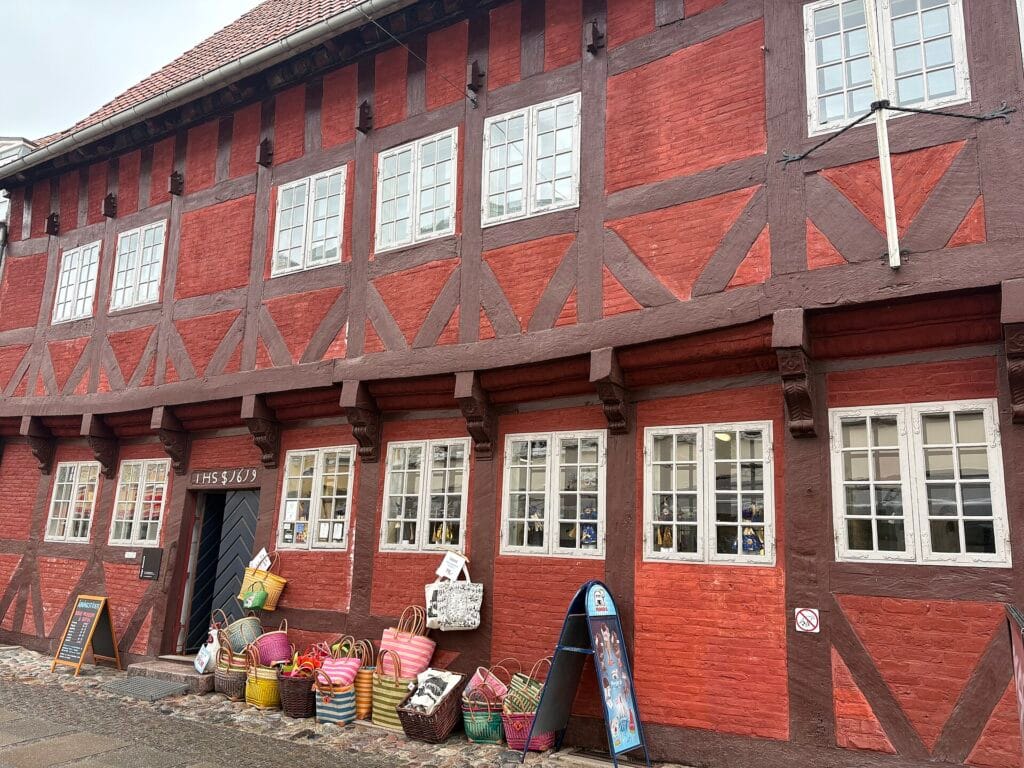
Approaching Køge Museum, visitors will encounter a venue that consciously positions itself as a gateway to regional history. The architecture and physical setting resonate with the traditional character of Køge’s streets, which are known for their well-preserved half-timbered houses and cobbled lanes. The museum’s presence is modest rather than grandiose, signaling an emphasis on intimate, accessible storytelling rather than monumental displays. This framing helps set visitor expectations appropriately: the institution is intended as a focused exploration of a specific geographic and historical area rather than a sprawling national gallery or museum of modern art.
Signage and entrance design reflect a commitment to local cultural heritage, often incorporating visual cues such as historic town motifs or archaeological references. These elements help orient visitors from the outset, providing a clear sense of place. The museum’s name and branding highlight its exclusive investment in Køge’s story, inviting patrons who have an interest in regional history, archaeology, or Danish urban development to step inside. For those unfamiliar with Køge, the exterior and entry experience signals a museum rooted in community identity rather than cosmopolitan display.
Highlights and Key Exhibitions
The core strength of Køge Museum lies in its collection of artifacts and exhibits that map the historical development of Køge and its immediate surroundings. A substantial portion of the museum’s holdings relates to the town’s medieval past, including archaeological finds such as pottery, tools, and everyday objects discovered within the old town area. These pieces help build a detailed textual mosaic of urban life as it evolved from the Middle Ages into the period of increased trade and seafaring in the Renaissance.
One notable feature concerns the town’s harbor trade and shipping activities, which transformed Køge into a regional economic hub. The museum presents maritime-related artifacts, models, and documents that trace this commercial history, offering visitors insight into both the local economy and its integration into wider Scandinavian trade networks. Items linked to shipbuilding, fishing, and trade occupations may be part of the exhibits, illustrating how the inhabitants shaped their environment and economy.
An important dimension of the exhibition program is the inclusion of local craft traditions and domestic life. Textiles, household implements, and furniture recreate aspects of daily living from earlier centuries, adding texture to historical narratives that can otherwise feel abstract. These objects underline the human dimension behind Køge’s growth, showing how ordinary residents adapted to economic, social, and technological changes.
Additionally, the museum covers significant civic developments, including the town’s governance, social structures, and key historical moments. Documents, maps, and portraits illustrate the municipal history and the personalities who influenced the town’s trajectory. These elements establish a coherent storyline rather than a random collection of artifacts, with context helping visitors understand the conditions that shaped Køge.
The museum also encompasses buildings or reconstructed interiors that serve as tangible examples of historical conditions, though details about these architectural features vary. Such installations can deepen visitor engagement by providing spatial and sensory contexts beyond wall-mounted panels and display cases.
While Køge Museum primarily focuses on its permanent collection, visitors should be aware that the institution’s scale and scope mean it will not necessarily cover broader Danish national history extensively. Its strength is in intimate and detailed local historicity rather than panoramic cultural surveys.
Visitor Experience
Køge Museum’s scale and curatorial decisions create a visitor experience that tends to favor those interested in local history, archaeology, and the specifics of urban development in Denmark’s smaller towns. The museum is unlikely to satisfy audiences seeking art exhibitions, extensive interactive technology, or thematic explorations that extend far beyond Køge.
Interpretive materials, including text panels, photographs, and maps, are designed to present complex historical information with clarity and accessibility. The layout guides visitors through chronological and thematic pathways, promoting straightforward navigation and understanding. However, the density of some display cases may challenge visitors less accustomed to reading closely or those preferring less detailed exhibits.
The museum’s size means that it is unlikely to feel overwhelming, which benefits visitors who prefer environments where they can move at their own pace without crowds or the need to rush through extensive galleries. However, the relatively modest footprint also limits the diversity of topics covered and the scale of exhibitions. Those with specialized interests in parts of Køge’s history may find the coverage illuminating, but casual visitors might perceive some sections as too narrowly focused.
Historically oriented exhibitions tend not to include extensive multimedia or high-tech installations, which may impact engagement for younger visitors or those with expectations for modern museum presentations. Instead, the museum emphasizes authentic artifacts, archival material, and traditional exhibition styles. This approach suits visitors who appreciate more conventional forms of museum display and those interested in archaeology and local history.
The museum’s staff and interpretive resources are generally presumed to be knowledgeable about Køge’s past and able to provide supplementary information. However, given the nature of regional museums, staffing levels and language options for signage and interpretation might be limited compared to larger institutions.
Tickets, Access, and Planning
Information on Køge Museum’s admission procedures, ticketing, and opening hours should be verified through the official museum website or local tourism resources prior to planning a visit. Public details about discounted rates, family tickets, group visits, and accessibility provisions are not widely published, so prospective visitors are encouraged to confirm these practicalities in advance.
The museum’s location in central Køge suggests reasonable access by local public transportation or private means, but specific details about parking facilities or accessibility for individuals with mobility challenges would need to be checked directly with the institution. The smaller scale of the museum potentially allows for quick visits, but deeper engagement with exhibits may require more time, particularly for those wanting to explore historical contexts fully.
Visitors who plan to integrate Køge Museum into a broader itinerary focusing on Zealand’s cultural and historic sites will benefit from considering how long each stop requires and whether the museum’s focus aligns with their interests. Advance inquiry concerning temporary exhibitions, special events, or guided programs might yield opportunities to enrich the visit but should be based on current information.
Final Verdict
Køge Museum succeeds as a focused local history institution with strong ties to the town’s medieval roots and maritime heritage. Its collections and exhibitions provide solid documentation of Køge’s development, shaped by trade, craftsmanship, and community life. For audiences interested in Danish regional history, especially those with an affinity for smaller urban centers or maritime economies, the museum offers relevant and well-contextualized material.
Its modest scale and traditional curatorial approach will appeal less to visitors looking for immersive multimedia experiences or a broad survey of Danish cultural history. Instead, the museum’s strengths lie in detailed artifacts and coherent storytelling that foster understanding of a specific town’s past. Interpretive clarity and manageable size make it accessible for informed visitors or researchers but may feel somewhat narrowly focused for casual tourists.
Practical planning is necessary due to limited publicly available information on admission conditions and visitor services. Køge Museum is best approached as part of a wider exploration of the region or by those with particular local historical interests. Its commitment to preserving and presenting Køge’s story contributes to the cultural landscape of Zealand and offers an instructive example of how small Danish towns preserve their heritage.