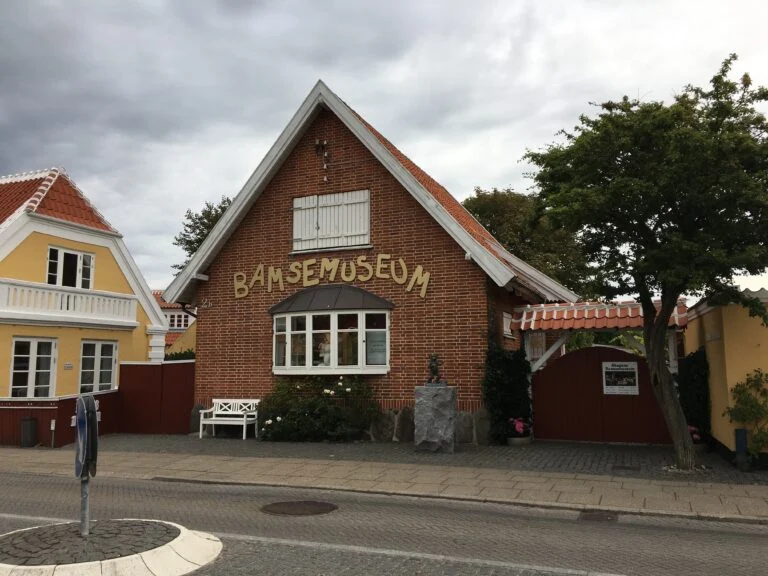
Drachmanns Hus
Drachmanns Hus in Skagen, Denmark, is a historic house museum devoted to Holger Drachmann, the poet, painter, and writer who was one of the.
Best forMasterpieces, architecture, cultural history
Setting / nearbyEurope
Overview
Drachmanns Hus in Skagen is one of Denmark’s most atmospheric literary and artistic house museums. It was the home of Holger Drachmann, the well-known Danish writer, poet, journalist, and marine painter, and it preserves a more personal and intimate side of Skagen’s cultural history than the town’s larger museum institutions. Rather than presenting a broad survey of the Skagen painters, the house offers something more focused: a direct encounter with the home, tastes, possessions, and working environment of one of the most colorful figures connected to Skagen’s artistic life.
What makes the museum especially compelling is the strength of personality that runs through it. House museums work best when they do not feel like generic historical interiors, and Drachmanns Hus avoids that problem because Holger Drachmann himself was such a vivid figure. His life touched literature, painting, journalism, travel, and bohemian culture, and all of that seems to echo through the house. The result is a museum that feels less formal than a conventional art gallery and more like an entry into a private creative world.
The museum also has a distinctive place within Skagen’s wider cultural landscape. Skagen is usually associated above all with the painters and with the social world that gathered around them, but Drachmanns Hus reminds visitors that the town’s cultural life was broader than painting alone. Literature, personality, travel, and the mythology of the artist’s life all play a role here. That makes the museum a valuable complement to Skagens Museum and Anchers Hus rather than simply a smaller repetition of them.
For visitors, this creates a very different experience from a standard picture museum. Drachmanns Hus is not mainly about masterpieces hanging on walls in neutral rooms. It is about atmosphere, biography, interior character, and the close relationship between a person and the space in which he lived. That sense of nearness is what gives the museum much of its power.
Collection Highlights
One of the museum’s strongest attractions is the preservation of Holger Drachmann’s original environment. Official museum information emphasizes the house’s original interior, including Drachmann’s large writing desk beneath the striking studio window. This is exactly the kind of detail that gives a house museum its importance. Visitors are not only told about the man who lived here; they are given physical evidence of how he organized his world, worked, and surrounded himself with objects. That gives the visit a directness that larger institutions often cannot achieve.
Another important highlight is the collection of objects connected to Drachmann’s life and travels. The museum describes the house as containing his own art collection as well as many curious items brought back from his journeys. This broadens the museum beyond biography alone. It suggests a person who was not only rooted in Skagen but shaped by movement, collecting, and a wider world. For visitors, these objects help build a richer picture of Drachmann as more than simply a writer or painter. They show him as a traveler, observer, and self-fashioned public figure.
The house is also valuable because it preserves the blend of art and life so central to artist homes. In a place like Drachmanns Hus, the furnishings, pictures, decorative objects, and room arrangements are not background details. They are part of the collection. Together they create a portrait of taste and temperament. That can be especially rewarding because it offers insight into an individual character rather than only into a larger movement or period.
Another strength lies in the museum’s emotional scale. Large museums often impress through range and prestige, but house museums can sometimes be more memorable because they make history feel inhabited. At Drachmanns Hus, the desk, rooms, and personal belongings help transform Drachmann from a name in Danish cultural history into someone more immediate. That kind of closeness is often what visitors remember most.
Building and Setting
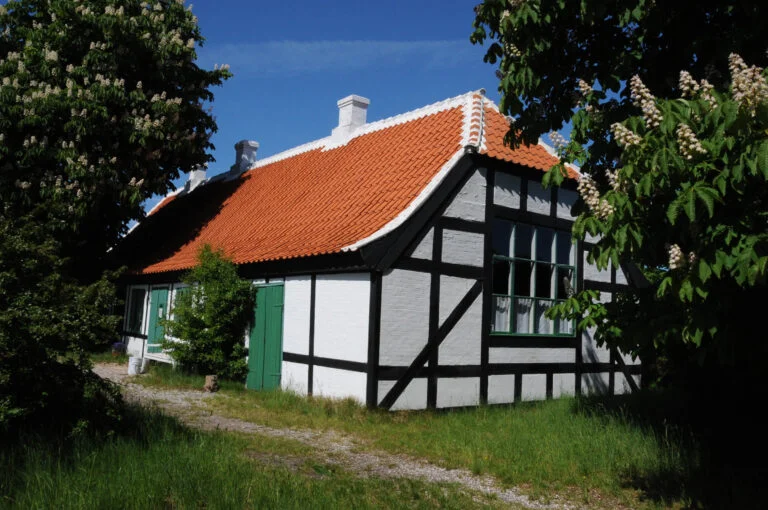
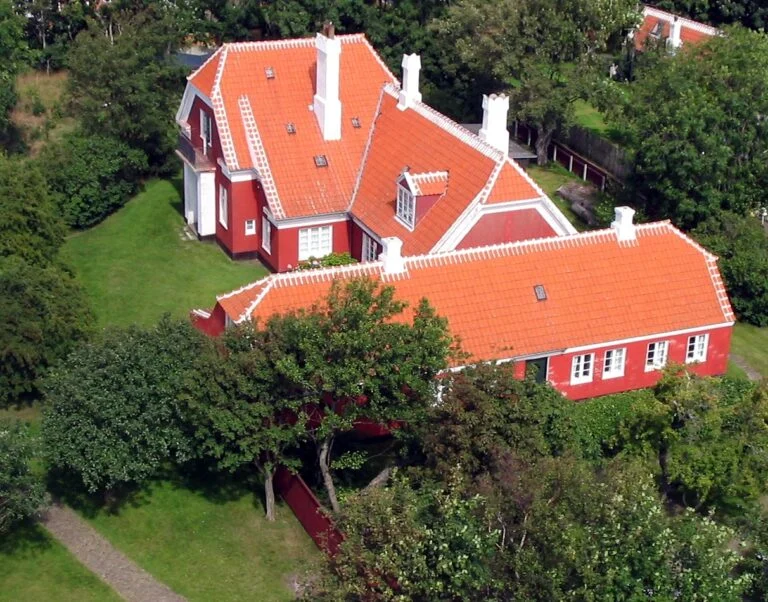
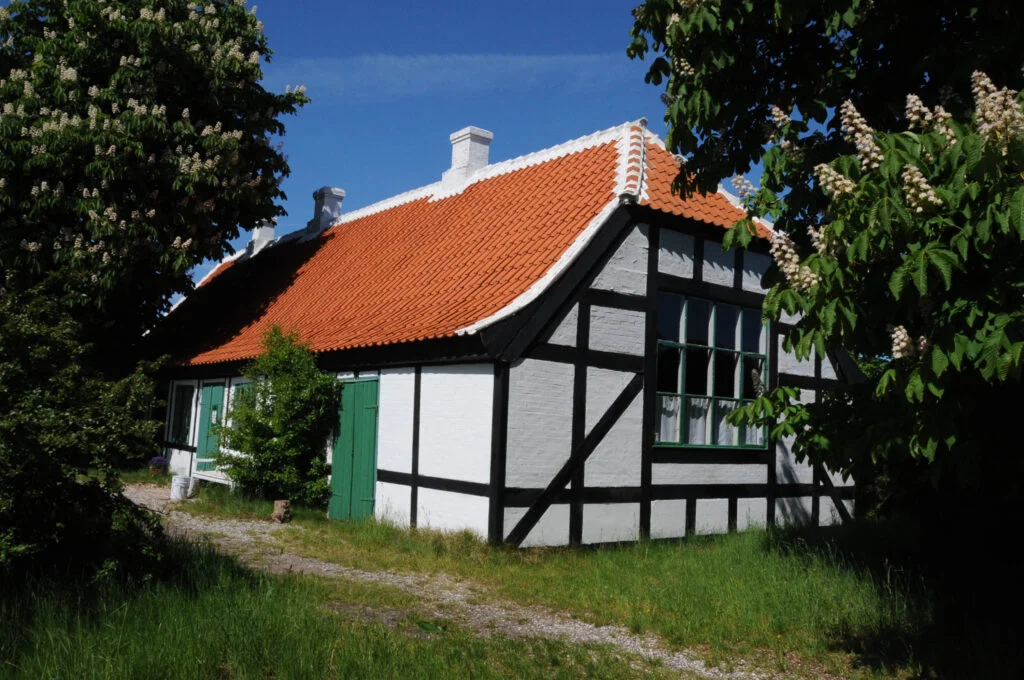
The building itself is central to the experience. Official museum material describes Drachmanns Hus as a whitewashed house with a large studio window on the edge of Skagen, where Holger Drachmann lived from 1902 for the rest of his life. That description alone explains much of the museum’s appeal. The building is not just a container for objects; it is the primary object of interpretation. The studio window, the domestic scale, and the sense of a home settled into by a restless creative figure all contribute to the museum’s atmosphere.
Its position in Skagen also matters greatly. House museums depend on place, and here the local setting deepens the connection between biography and town. Skagen was not merely where Drachmann happened to live. It was part of the wider artistic and cultural world in which he moved, wrote, painted, and fashioned himself. Visiting the house therefore feels tied to the larger identity of Skagen while still remaining more personal and intimate than the town’s bigger museum institutions.
Architecturally, the strength of the museum lies not in grandeur but in character. This is not a monumental palace museum or a formal civic gallery. Its appeal comes from domestic atmosphere, preserved detail, and the way the house seems to hold the memory of a strong individual presence. For a museum devoted to someone like Drachmann, that is exactly right. The house feels lived in rather than staged, and that makes the experience more convincing.
Practical Information
Drachmanns Hus is part of Skagens Museum’s group of visit sites, alongside Skagens Museum and Anchers Hus. Practical details matter here because the house does not remain open all year. Official ticket and visitor information states that Drachmanns Hus was closed until 1 April 2026, and current seasonal schedules show that opening hours vary across the spring and summer period. That makes it especially important to check the latest official information before planning a visit.
In practical terms, the museum works best as part of a broader Skagen itinerary. It is not a very large museum, but that is part of its appeal. It fits naturally alongside visits to the larger Skagens Museum or Anchers Hus, giving a fuller picture of the artistic and literary culture associated with the town. Visitors who enjoy house museums, literary museums, and historically preserved interiors are likely to find it especially rewarding.
There are also guided and themed activities connected to the house. The official museum shop lists the “I Drachmanns fodspor” event during the house’s opening period, which suggests that visitors can experience the site not only through independent viewing but also through a more structured interpretive program. That kind of activity adds another dimension to the visit and makes the museum feel active rather than static.
Why Visit
Drachmanns Hus is worth visiting because it offers something more intimate and character-driven than many larger museums. It allows visitors to step into the preserved environment of a writer, painter, and bohemian whose life was deeply connected to Skagen. That immediacy makes the museum memorable. It is not only about the achievements of Holger Drachmann, but about the atmosphere in which those achievements were shaped and the objects through which he presented himself to the world.
It is also worth visiting because it broadens the picture of Skagen’s cultural history. The town is often told through the story of painters and artistic community, but Drachmanns Hus introduces literature, travel, eccentricity, and self-invention into that picture. This makes the museum feel like an essential complement to Skagen’s better-known art attractions rather than a minor side site.
If you want a Skagen museum that feels personal, distinctive, and closely tied to an individual life, Drachmanns Hus is a very strong choice. It is one of those museums where scale matters less than presence, and where the memory of the person remains the most powerful part of the visit.