Inner Mongolia Museum
Archaeology Museums · Hohhot, China. The Inner Mongolia Museum, located in Hohhot, the capital of Inner Mongolia Autonomous Region in China, is a regional history and culture museum that provides insight into this distinctive part of the country. As…
Best forMuseum lovers, culture travelers, first-time visitors
Setting / nearbyHohhot, China
Overview
The Inner Mongolia Museum, located in Hohhot, the capital of Inner Mongolia Autonomous Region in China, is a regional history and culture museum that provides insight into this distinctive part of the country. As a repository for artifacts and exhibits concerning the heritage, natural environment, and ethnic diversity of Inner Mongolia, the museum plays a key role in documenting and displaying the unique cultural mosaic of this vast area. Inner Mongolia has a long history shaped by nomadic cultures, agricultural developments, and modern transformations, and the museum reflects these layers through its collections and presentations.
The museum is an important institution for understanding the intersection of Mongolian traditions and Han Chinese influences, alongside the natural history of the region. It aims to educate visitors about the historical developments, cultural expressions, and ecological aspects that characterize Inner Mongolia, emphasizing the contributions of various ethnic groups, especially Mongols. While it serves mainly local and regional audiences, the museum is also relevant for visitors interested in Chinese ethnic diversity, steppe cultures, and the archaeology and paleontology of northern China.
Collection Highlights
The Inner Mongolia Museum’s collection spans ethnographic, archaeological, and paleontological domains, with particular emphasis on objects reflecting the daily life, customs, and history of the Mongol people and other ethnic groups in the region.
One prominent category of exhibits includes traditional Mongolian clothing, handicrafts, and tools. These items offer a material culture perspective on nomadic pastoralism, illustrating how steppe communities adapted to their environment and expressed identity through dress and decoration. Clothing displays often highlight the craftsmanship, materials, and symbolic motifs distinctive to Mongolian culture.
Archaeological finds form another significant component. The museum houses artifacts recovered from local archaeological sites that shed light on prehistoric and historic eras. This includes pottery, weapons, and ritual objects from ancient cultures that once inhabited the area. While detailed provenance and dating can vary, exhibits generally provide context about shifts from hunter-gatherer to pastoral societies and the region’s historical role as a junction for trade and cultural exchange.
The museum is also known for its paleontological exhibits. Inner Mongolia has yielded important dinosaur fossils and other prehistoric remains, and selections from these discoveries are part of the permanent displays. Visitors encounter specimens and reconstructions that underline the geological and natural heritage of the region, providing a glimpse into environments millions of years ago.
In addition to physical artifacts, the museum incorporates explanatory panels and multimedia elements that discuss Inner Mongolia’s landscapes, including grasslands, deserts, and mountains, alongside their impact on human settlement and culture.
Building and Setting
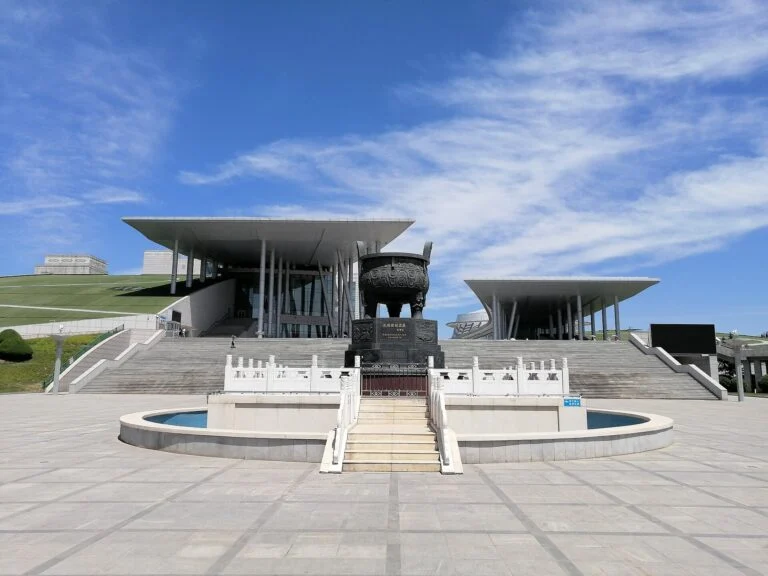
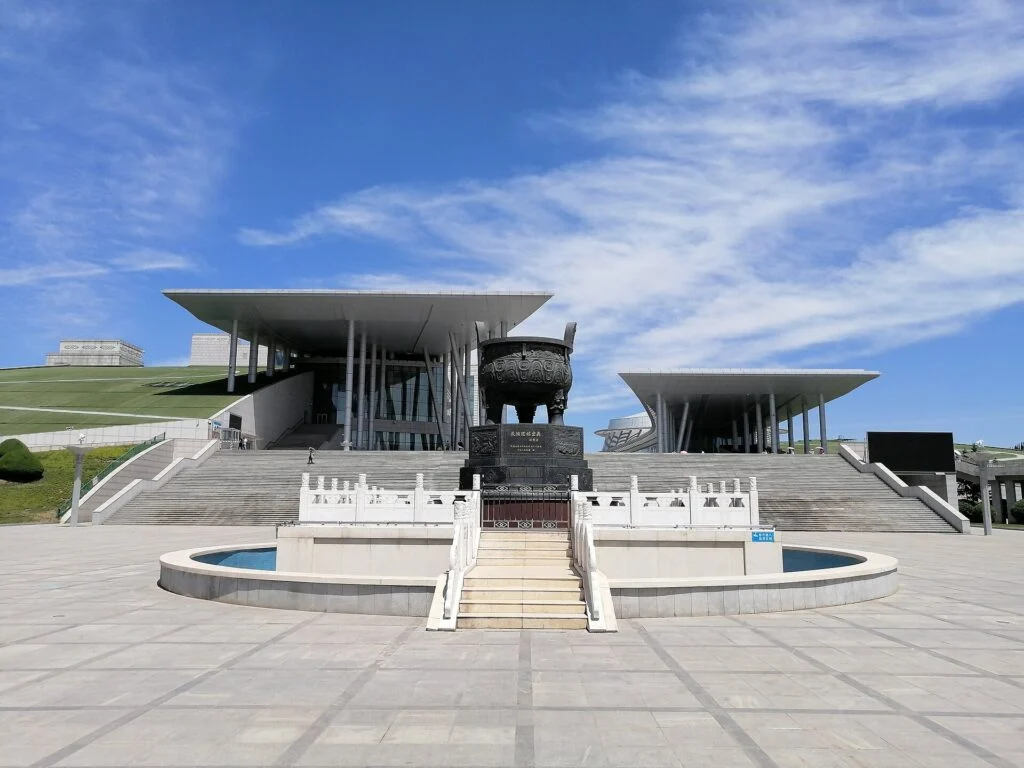
The Inner Mongolia Museum is situated in Hohhot, which functions as the cultural and political center of the region. The building itself is modern and designed to accommodate extensive permanent and temporary exhibitions, with spacious galleries arranged to guide visitors through thematic sections. The architectural style may integrate regional influences, but it primarily focuses on function and clarity in showcasing the collections.
Its urban setting places the museum within the developing cityscape of Hohhot, which combines modern infrastructure with remnants of traditional Mongolian and Han Chinese urban patterns. The museum’s location should be accessible to visitors traveling within the city; however, the city’s size and traffic conditions might influence travel time between attractions.
Practical Information
For those considering a visit, it is advisable to consult the museum’s official website or contact local tourist information for the most up-to-date details. Information on admission policies, opening hours, guided tours, and accessibility services can change, and verifying in advance will help ensure a smoother experience.
Because Inner Mongolia spans a large geographic area, visitors may want to plan their time carefully to incorporate this museum within a broader itinerary of the region. The museum space is large, so allocating sufficient time to explore fully is worthwhile for those interested in ethnography, archaeology, or natural history.
The Inner Mongolia Museum does not always operate extensive international tourist facilities, so travelers less familiar with Chinese or Mongolian languages might benefit from preparatory reading or using guidebooks that address local history and terminology. Some exhibit information may be presented primarily in Chinese and Mongolian, though basic English descriptions might be provided.
Why Visit
This museum is suited to visitors seeking to understand Inner Mongolia beyond common popular images. It takes a grounded approach to presenting how cultures have developed and interacted in northern China’s grasslands, offering tangible evidence through artifacts and specimens that connect to historical and prehistoric narratives.
The museum’s strength lies in combining multiple disciplines to portray the region’s cultural and natural richness. For example, pairing ethnic artifacts with geological and fossil displays offers a broader context that appeals to those curious about human-environment relationships and the long-term history of steppe regions.
Visitors with particular interests in ethnography and minority cultures will find the museum’s coverage of Mongolian traditions informative and carefully curated, providing material culture examples that are often less visible in larger national institutions.
Although the museum is not primarily an art museum, its exhibits do convey aesthetic and symbolic dimensions of Mongolian and other ethnic craftsmanship, making it relevant for those interested in visual culture.
At the same time, the museum’s regional focus means it might not cover all aspects of Inner Asian or Chinese history thoroughly, and its presentations may follow institutional narratives characteristic of Chinese regional museums. For international visitors, this could mean some contextual points are framed from official perspectives that emphasize ethnic unity and historical integration.
In sum, the Inner Mongolia Museum offers a substantial resource for exploring a part of China that is often mentioned but less frequently approached with detailed cultural and natural history focus. Its role as a custodian of regional heritage makes it a worthwhile point of reference for those visiting Hohhot or undertaking a deeper inquiry into Inner Mongolia’s past and present.