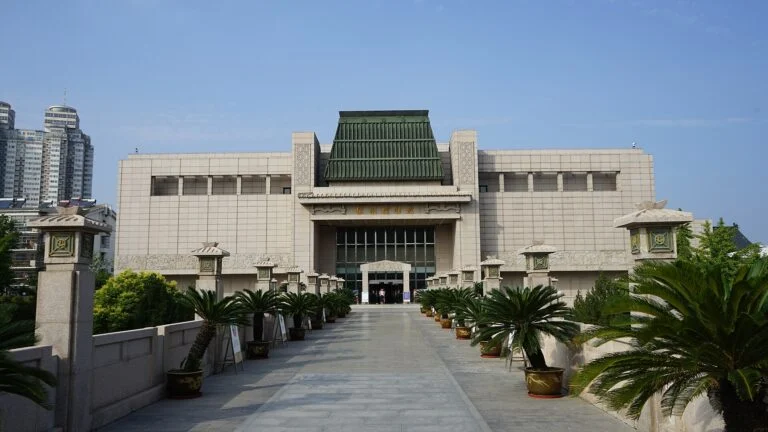
Suzhou Museum
Archaeology Museums · Suzhou, China. Suzhou Museum, located in Suzhou, China, is a museum that primarily focuses on the art, history, and culture of the Suzhou region and its surrounding areas. It reflects the local heritage through its extensive…
Best forMuseum lovers, culture travelers, first-time visitors
Setting / nearbySuzhou, China
Overview
Suzhou Museum, located in Suzhou, China, is a museum that primarily focuses on the art, history, and culture of the Suzhou region and its surrounding areas. It reflects the local heritage through its extensive collection of artifacts, artworks, and historical objects, highlighting centuries of cultural development. The museum is often noted for combining traditional and contemporary elements both in its design and its approach to exhibition, which sets it apart from more conventional institutions in the area. Suzhou itself is known for its classical gardens and historical water town environment, and the museum contributes to the city’s cultural landscape by offering a concentrated presentation of regional artistic and historical expressions.
Collection Highlights
The core of Suzhou Museum’s collection lies in its holdings of Chinese art and antiquities associated with the Jiangnan region, which includes Suzhou and is renowned for its distinctive cultural identity. Visitors will find a range of Chinese calligraphy, traditional painting, ceramics, and jade artifacts that illustrate the refinement and skill of local artisans over many dynasties. The collection covers various historical periods, with notable examples from the Ming and Qing dynasties, times when Suzhou was an important center of culture, scholarship, and commerce.
In addition to paintings and ceramics, the museum’s displays often include calligraphic works from established masters, and examples of traditional Suzhou embroidery and silk production, which emphasize the city’s historical role in textile arts. Some exhibits focus on regional craftsmanship and locally produced objects, which provide context about Suzhou’s status as a cultural and economic hub.
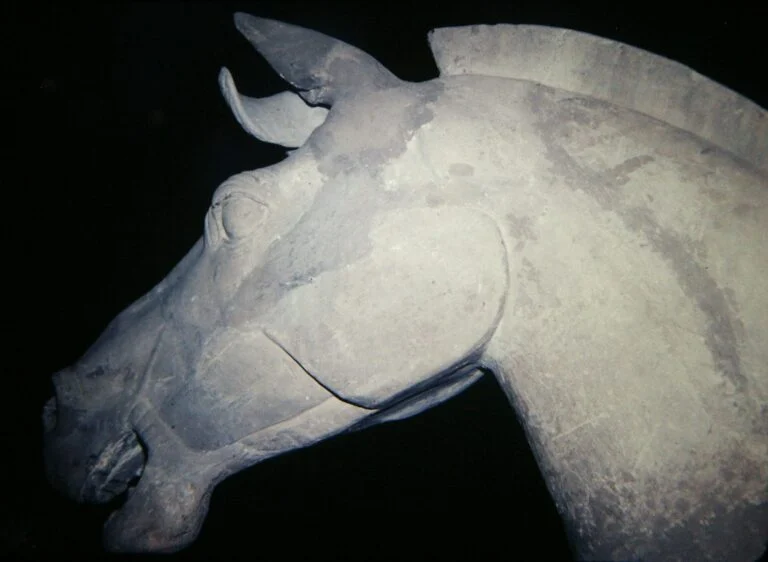
There may also be archaeological finds from the surrounding area, including items dating back to earlier historical periods. These reveal aspects of life and society in the region prior to the rise of the classical cultural achievements for which Suzhou is known. While some works are well-documented, others are presented with interpretive notes that carefully indicate areas of uncertainty or ongoing study.
Building and Setting
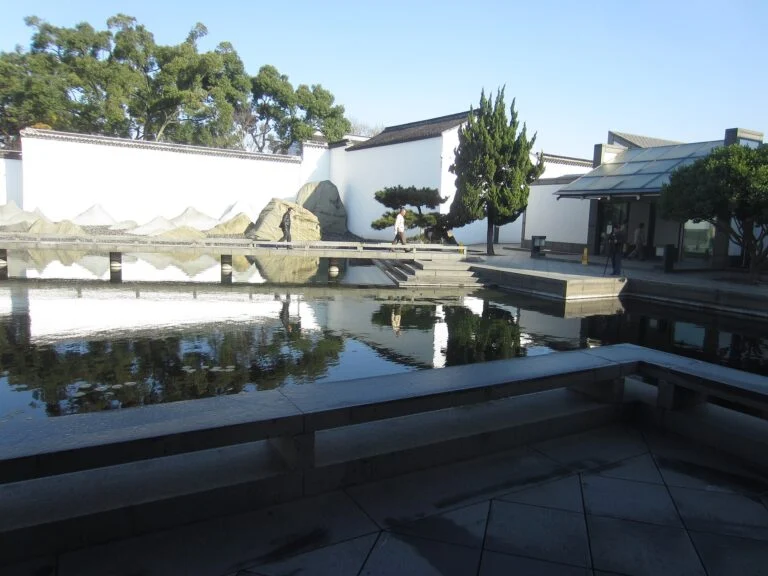
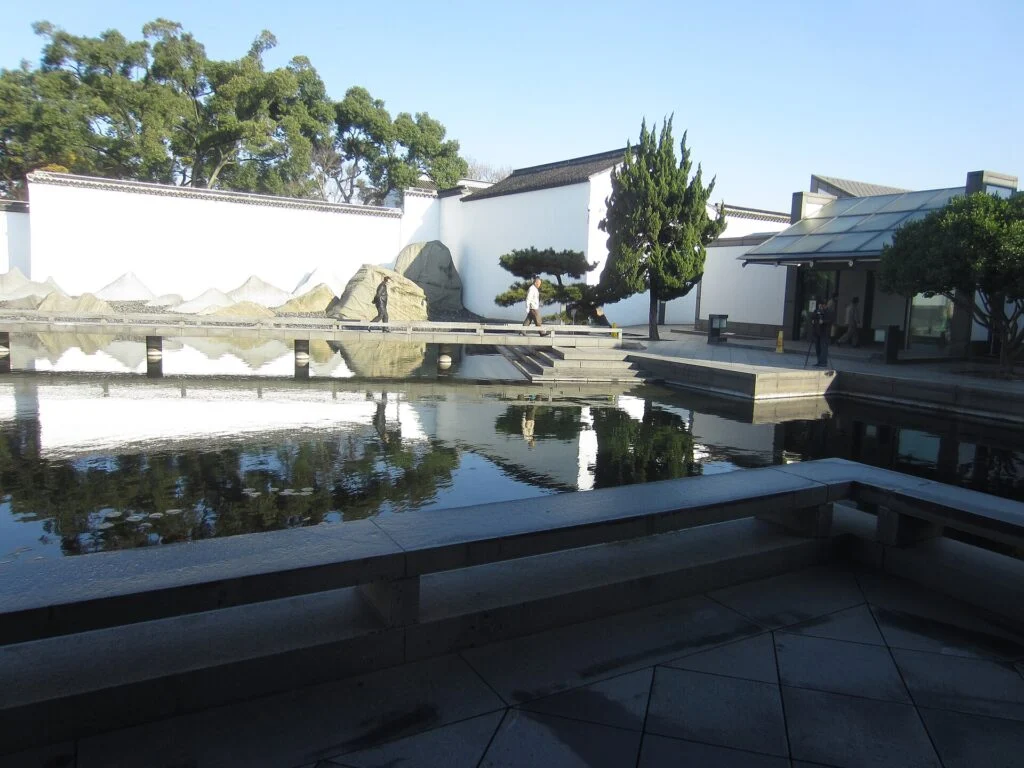
Suzhou Museum is situated within the urban area of Suzhou, a city renowned for its network of canals, classical gardens, and ancient streets. The museum itself is notable for its architectural design, which integrates elements of traditional Chinese aesthetics with modern functionality. The building’s layout reflects a thoughtful approach to space, light, and circulation, aiming to create an environment that complements the artworks without overwhelming them.
The setting allows visitors to connect with Suzhou's historical character while experiencing a facility that meets contemporary standards for exhibition and conservation. The site is relatively close to some of Suzhou’s classical gardens, which may interest visitors who wish to explore a broader cultural context. The museum provides a contrast to the natural and garden settings of the city by focusing on curated indoor displays.
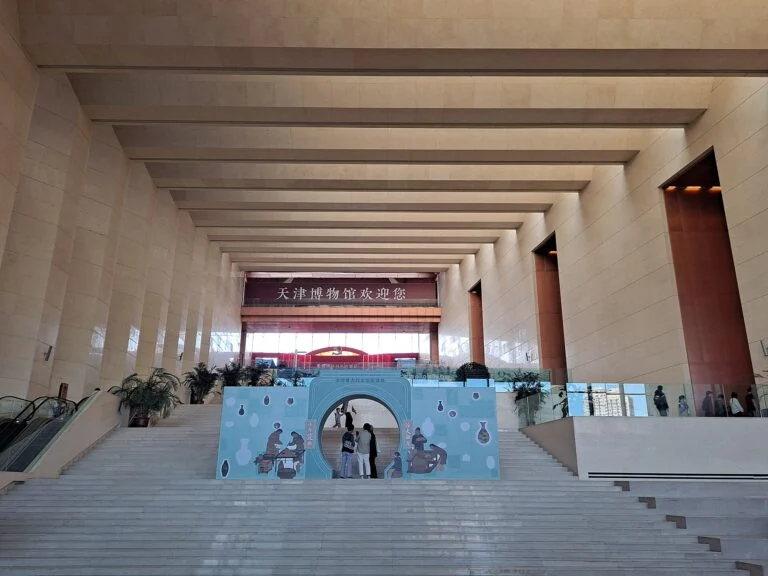
Interior spaces typically allow for a clear viewing of objects, and exhibition areas are arranged to flow logically through different thematic or chronological sections. The design often includes quiet corners and moments of respite, encouraging a reflective experience. Although the museum’s size is moderate by international standards, it is well-proportioned to the scope of its collection and the scale of typical visits.
Practical Information
Before planning a visit to Suzhou Museum, prospective visitors should consult the official website or reliable local sources to confirm current opening hours, ticketing procedures, and any special arrangements that might affect access. Information about guided tours, audio guides, or educational programs may also be available through official channels but should be verified in advance.
As with many cultural institutions, visiting hours and services can occasionally change due to public holidays, special exhibitions, or maintenance work. It is advisable to check for updates to avoid any inconvenience.
Suzhou Museum is generally accessible by public transportation within the city, though specific details about parking, accessibility provisions for visitors with disabilities, or on-site amenities such as cafés or shops should be looked up beforehand if these are important to your visit.
Why Visit
Suzhou Museum offers a distinctive opportunity to engage with the particular cultural and artistic heritage of the Jiangnan region, centered around Suzhou’s long history as a site of aesthetic and scholarly achievement. For visitors interested in Chinese art that is deeply connected to place and tradition, the museum presents a focused and thoughtfully curated experience.
Unlike larger Chinese art museums that may span many regions and periods, Suzhou Museum provides a more localized view that deepens appreciation for the city’s role and its artistic contributions. It suits visitors who want to explore beyond the typical garden and palace tours of Suzhou, adding material culture and historical documentation to their understanding of the area.
The museum is also of interest to those who appreciate museum architecture that draws on traditional design principles while meeting modern standards. It encourages exploration of the interplay between past and present in both its collections and its physical form.
There are limitations for those expecting a very large or heavily populated museum environment, as the institution is more intimate. International visitors may wish to prepare for potential language barriers with exhibition texts or staff interaction, since English-language resources might be limited in some parts of the museum.
Overall, Suzhou Museum is a place where a careful visitor can discover the layers of local cultural identity, seen through objects and artworks selected to represent the city’s historical sophistication and continuing legacy. It adds dimension to a visit to Suzhou, complementing the city’s famous gardens and architecture with a substantive picture of its cultural past.