Dulwich Picture Gallery
London, United Kingdom. The Dulwich Picture Gallery in London is an art museum with an enduring reputation for its refined collection of European Old Master paintings. Founded in the early 19th century, it was originally established to…
Best forMuseum lovers, culture travelers, first-time visitors
Setting / nearbyLondon, United Kingdom
Overview
The Dulwich Picture Gallery in London is an art museum with an enduring reputation for its refined collection of European Old Master paintings. Founded in the early 19th century, it was originally established to house the art collection of Dulwich College, a historic educational institution. Today, it stands apart from larger national galleries by offering a more intimate space focused primarily on paintings, rather than the diverse media seen in broader museums.
The gallery’s role is that of a dedicated art museum specializing in paintings from the Renaissance through the 18th century. Its significance lies not just in the artworks themselves but in the particular historical context—the collection was one of the earliest public galleries established outside central London and was carefully arranged and displayed to encourage contemplation and aesthetic appreciation. This pioneering approach influenced museum design across Europe.
While the Dulwich Picture Gallery is geared towards those with some interest or knowledge of European painting, it remains accessible to general visitors who appreciate quieter, focused visits. Those looking for an overview of British art or contemporary works will find only limited offerings here, as the museum prioritizes Continental masterpieces. Visitors intrigued by art history and connoisseurship will find the gallery’s curated displays a useful point of reference.
Collection Highlights
The core of Dulwich Picture Gallery’s collection consists of Old Master paintings, with a particular strength in 17th-century Dutch and Flemish works as well as Italian and Spanish Baroque painters. Among the renowned names represented are Peter Paul Rubens, Anthony van Dyck, and Rembrandt, whose paintings often occupy key places in the layout.
A striking example from the collection is Rubens’s “The Feast of Venus,” a painting celebrated for its dynamic composition and rich mythological themes. Van Dyck’s portraits include several of prominent historical figures, offering insight into courtly life of the 17th century. Rembrandt’s presence is represented by works demonstrating his mastery of light and shadow, reflecting his profound impact on portrait painting.
Beyond the Dutch and Flemish repertoire, Italian Renaissance and Baroque paintings are featured, including pieces by Guercino and Caravaggisti artists who exhibit dramatic lighting and intense emotional expression. Spanish works, though fewer, add atmospheric depth to the collection, showcasing the influence of artists such as Zurbarán.
The gallery’s collection also contains English artists’ works, though they are less prominent. These paintings provide context to the predominance of Continental masters while illustrating shifting tastes in British art collecting over time.
Displays within the museum are carefully arranged to encourage comparison and cross-reference between artists and styles. The collection’s compactness aids this focus; unlike larger institutions, where art may be spread thinly across vast spaces, Dulwich’s works are close to each other, inviting attentive viewing.
Building and Setting
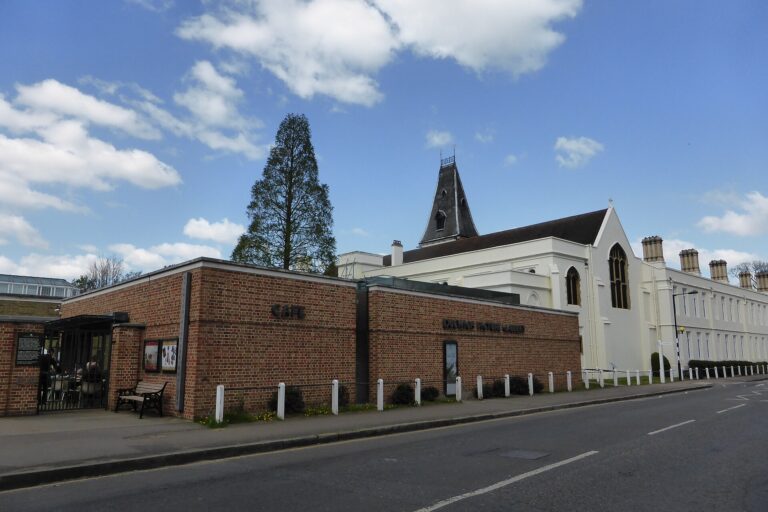
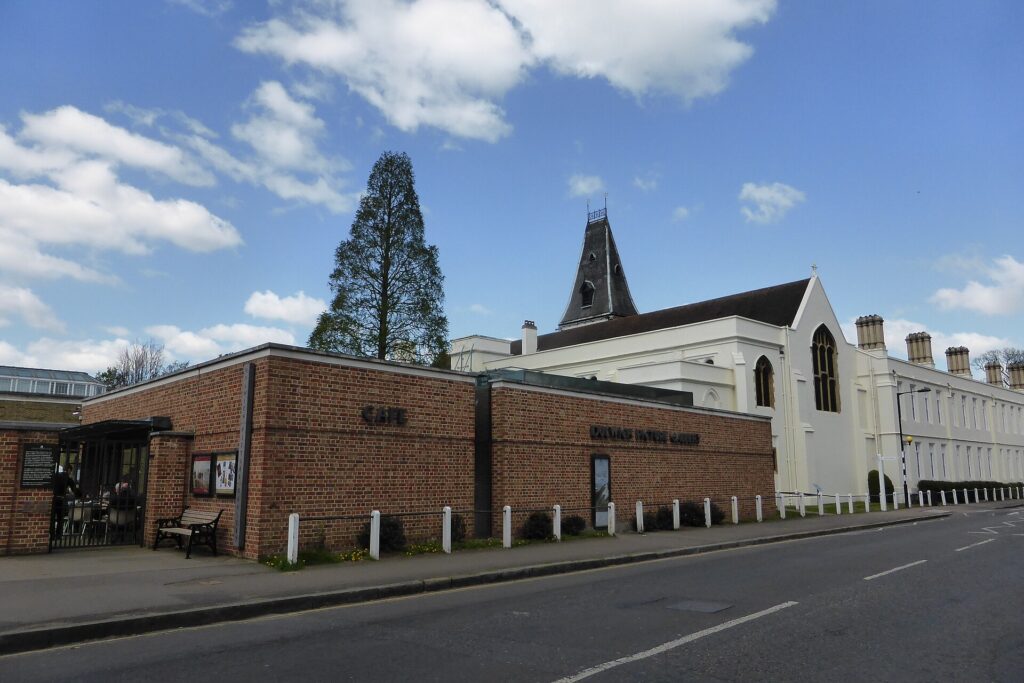
The Dulwich Picture Gallery building itself is significant in the history of museum architecture. Designed by Sir John Soane in the early 1800s, it was among the first purpose-built public art galleries in England, influencing museum design up to the present. Its layout was innovative in providing controlled natural light through skylights arranged to protect sensitive artworks while providing an even, soft illumination. Visitors can see how the gallery’s architecture reflects a philosophy of art display that balances aesthetic presentation with conservation needs.
Located in Dulwich, a district south of central London, the gallery stands within a leafy, relatively quiet environment, somewhat removed from the busy city centre. The surrounding park-like setting contributes to a relaxed atmosphere, though the area is well connected by public transport. The location lends itself to combining a museum visit with a stroll or visit to nearby historic sites and gardens.
The museum occupies a single building, creating a contained and manageable experience. This contrasts with sprawling national institutions, where visitors can sometimes feel overwhelmed. The architecture encourages a paced visit, with room to pause and reflect in galleries that avoid excessive crowds, depending on the time of day and season.
Practical Information
For those planning a visit, it is sensible to check the Dulwich Picture Gallery’s official website for the latest details on opening hours, exhibitions, admission fees, and guided tours as these can vary by season and due to temporary exhibitions or special events. The website may also provide information on accessibility and available visitor services.
Since the gallery is relatively small compared to major metropolitan museums, its visitor flow is generally easier to manage, which can make visits less stressful during peak times. However, popular temporary exhibitions or school groups might affect this. Advance booking policies, if any, should be confirmed on official sources prior to arrival.
The museum includes a shop and café, though specifics of their offerings and hours should be verified through official channels. Visitors relying on public transport will find Dulwich accessible by train and bus, but details on connections and station distances are best checked nearer the visit date.
Why Visit
Dulwich Picture Gallery presents a distinctive appeal for visitors interested in European painting without the scale and complexity of larger institutions. Its relatively modest size allows a concentrated focus on quality works primarily from the 17th century, positioned within a thoughtfully designed historic building that reflects early museum-building principles.
This makes it particularly suitable for those who prefer a more contemplative art experience in an environment that encourages leisurely appreciation without the usual pressures of overcrowded galleries. Unlike national galleries with encyclopedic collections, Dulwich feels coherent in its scope and offers a clear narrative thread through its artworks.
Those with specific interests in Baroque art, Dutch Golden Age painting, or museum history will find the gallery’s offerings particularly rewarding. On the other hand, visitors looking for comprehensive coverage of modern art or broader art history might find the selection narrow.
In essence, Dulwich Picture Gallery invites visitors seeking a focused exploration of European Old Masters in a setting designed with attention to the art’s display and preservation. The museum stands as a quietly important institution within London’s cultural scene, offering an alternative to larger, more general museums. For those who value art history presented with care and clarity, it can be a worthwhile destination whose strengths are evident in both collection and architecture.